
With food prices continuing to put pressure on household budgets, many families across Newcastle and the North East are asking the same question every week - is it still possible to eat well without overspending?
The good news is that nutrition experts say healthy eating does not have to mean buying expensive ingredients or filling the trolley with premium products. A little planning, smarter shopping habits and making the most of seasonal offers can help families enjoy balanced meals while keeping costs under control.
As the cost of living remains a concern for households across the region, small changes at the supermarket could make a noticeable difference to both your budget and your health.
Healthy food is often more expensive.
One of the biggest challenges facing shoppers is that healthier foods usually cost more than less nutritious alternatives.
The Food Foundation's latest Broken Plate report found healthier foods are now almost twice as expensive per calorie as less healthy options. It also estimated that households in the lowest income group would need to spend around 49 percent of their disposable income to afford the Government's recommended healthy diet, rising to 85 percent for the poorest households with children.
That can make healthy eating feel out of reach, particularly for larger families already juggling rising energy bills, housing costs and other essential expenses.
Plan meals before you shop.
One of the simplest ways to reduce spending is to decide what you are going to eat before leaving home.
Writing a shopping list based on meals for the week helps prevent impulse purchases and reduces food waste. It also makes it easier to buy ingredients that can be used in more than one recipe.
For example, a pack of chicken breasts can become a stir fry, pasta dish and homemade wraps across several evenings. Vegetables such as carrots, peppers and onions can be used in soups, curries and casseroles rather than being forgotten at the back of the fridge.
Many Newcastle households are also batch cooking and freezing portions to avoid relying on expensive takeaways after busy working days.
Frozen and tinned foods deserve more credit.
Fresh produce is excellent when it is in season, but frozen fruit and vegetables often provide similar nutritional value while lasting much longer.
Frozen peas, broccoli, spinach and mixed vegetables can reduce waste because you only use what you need. Tinned tomatoes, beans, chickpeas and lentils are also affordable cupboard staples that form the basis of countless healthy meals.
Choosing products stored in water or natural juice, rather than syrup or salty sauces, helps keep meals healthier without increasing costs.
Do not overlook supermarket own brands.
Many shoppers still assume cheaper products are lower quality, but supermarket own-label ranges often contain very similar ingredients to branded alternatives.
Comparing the nutrition labels rather than the packaging can reveal significant savings with little difference in taste.
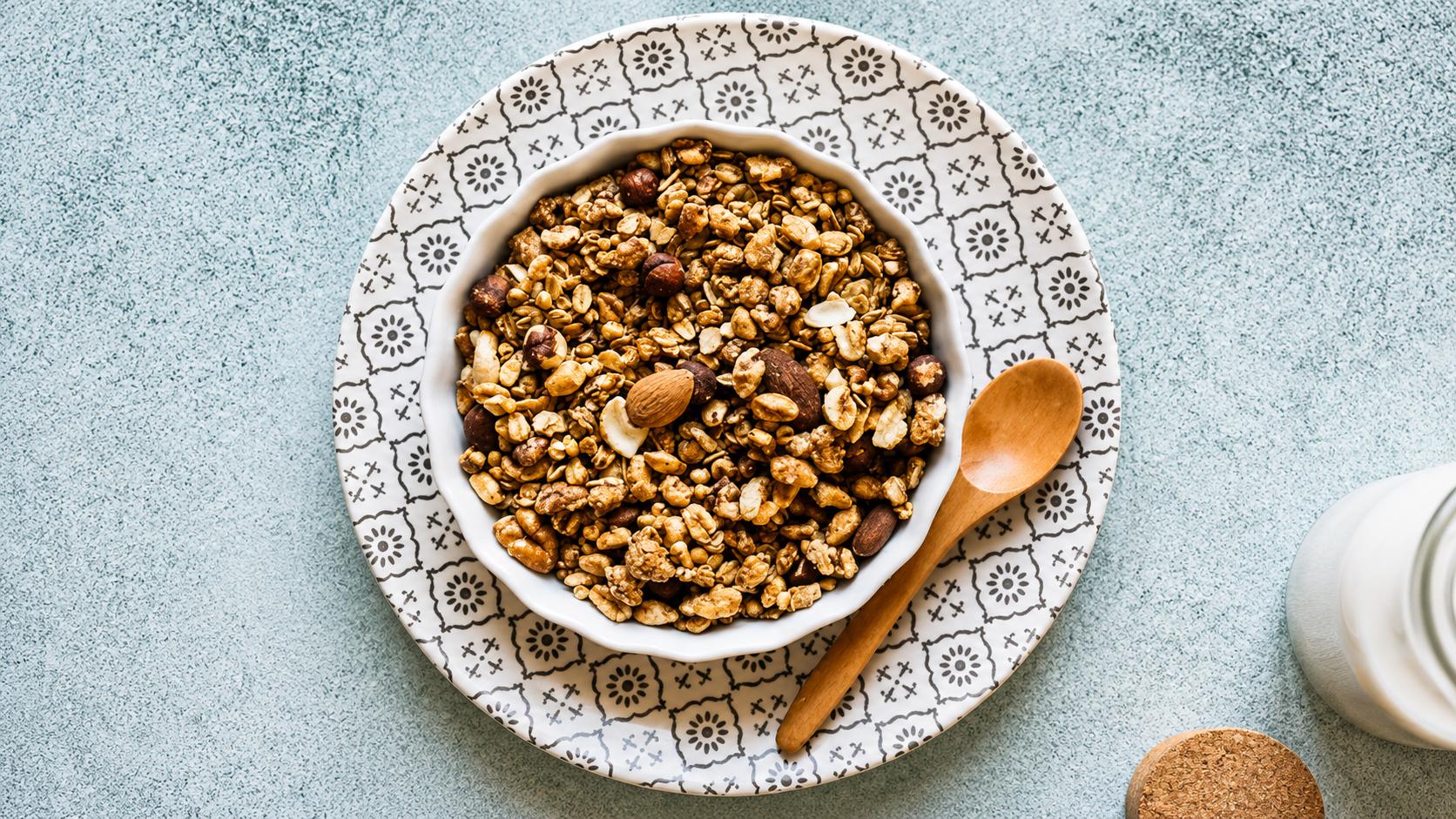
Buying oats instead of sugary breakfast cereals, own-brand wholemeal pasta instead of premium versions and plain yoghurt rather than flavoured varieties can trim pounds from the weekly shop without sacrificing nutrition.
Shop seasonally whenever possible.
Seasonal fruit and vegetables are usually cheaper because they are more widely available.
During summer, strawberries, lettuce, courgettes, tomatoes and new potatoes often offer excellent value in UK supermarkets. Visiting local greengrocers and farmers' markets across Newcastle and the North East can also uncover fresh produce at competitive prices while supporting local businesses.
Seasonal shopping not only saves money but also introduces more variety into family meals throughout the year.
Protein does not have to be expensive.
Protein is often one of the most expensive parts of a shopping basket, but there are plenty of affordable options.
Eggs, lentils, beans, chickpeas, peanut butter and tinned fish all provide valuable nutrients at relatively low cost.
Swapping one or two meat-based meals each week for bean chilli, lentil curry or vegetable pasta can significantly reduce grocery bills while increasing fibre intake.
Nutritionists also recommend using smaller portions of meat alongside more vegetables and wholegrains rather than making meat the centre of every meal.
Avoid shopping when you are hungry.
It may sound obvious, but studies consistently show shoppers spend more when they visit supermarkets hungry.
A quick snack before leaving home can help reduce impulse purchases of confectionery, crisps and ready meals that quickly inflate the bill.
Looking beyond eye-level shelves, checking unit prices and resisting multi-buy offers on products you would not normally purchase are equally effective ways to save money over time.
Healthy eating is about habits, not expensive ingredients.
Many people associate healthy eating with specialist health foods, supplements or premium organic products, but experts say this is rarely necessary.
The Food Foundation estimates the average cost of following the Government's Eatwell Guide is now around £9.50 per adult per day, highlighting why careful planning has become increasingly important for households trying to balance nutrition with affordability.
Simple meals made from affordable staples such as oats, potatoes, rice, frozen vegetables, beans and seasonal fruit remain among the most nutritious and budget-friendly choices available.
For families across Newcastle and the North East, healthy shopping is becoming less about spending more and more about making informed decisions. By planning meals, choosing versatile ingredients and resisting impulse purchases, it is still possible to fill the fridge with nutritious food while keeping weekly costs under control.
Small changes can make a huge difference.
Have you found a clever way to cut your grocery bill without compromising on healthy meals?
Health News
Cheap Foods That Are Shockingly Healthy For You
Advertisement




Comments (0)
You must be logged in to post comments.
Don't have an account? Register here
No comments yet. Be the first to share your thoughts!