
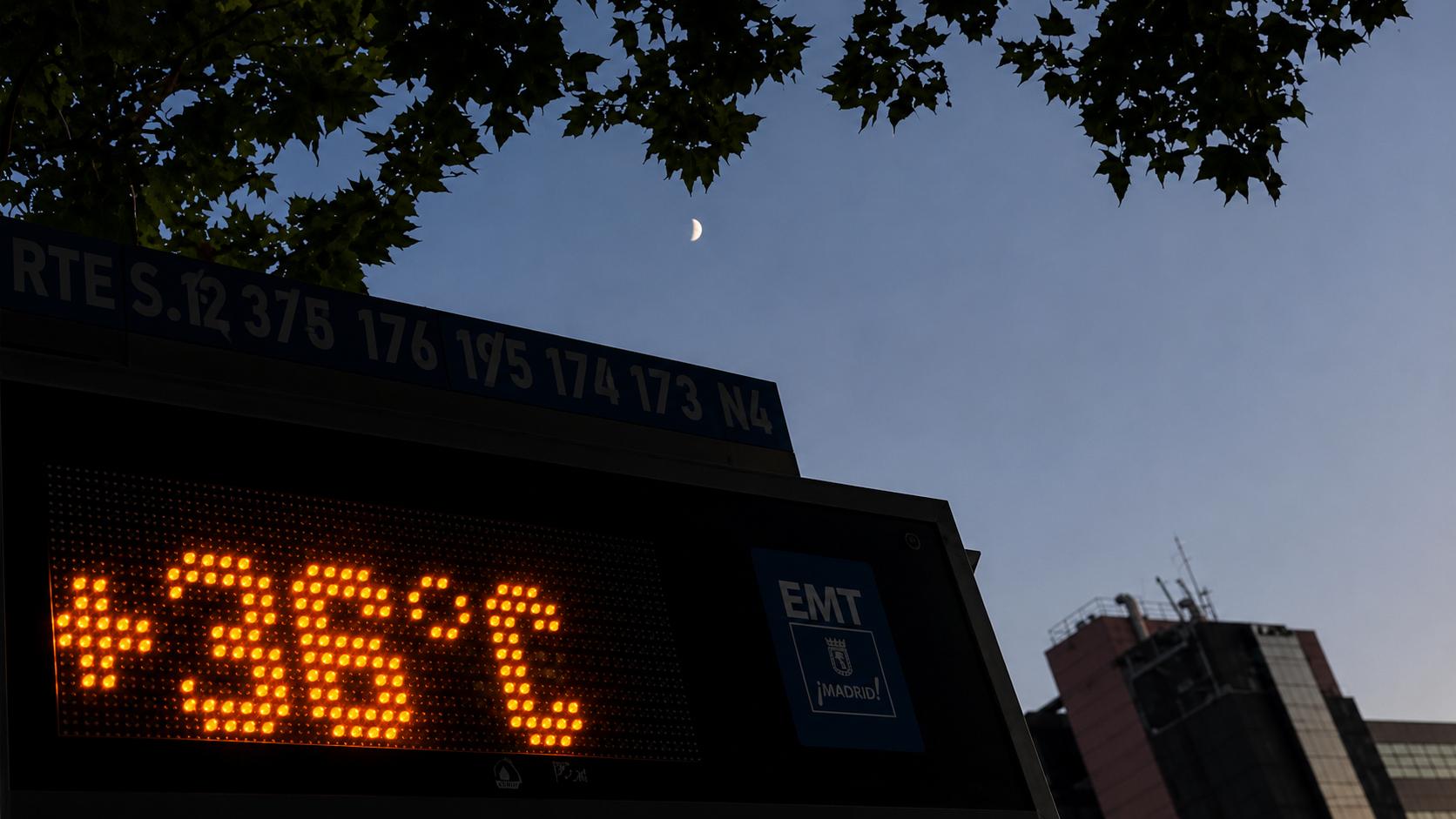
When most people think about the dangers of extreme weather, they picture soaring daytime temperatures and blazing sunshine. However, health experts are increasingly warning that what happens after sunset can be just as important. Overnight temperatures across the UK are rising, leaving many people with little chance to recover from the heat before the next day begins.
Across Newcastle and the wider North East, residents have experienced warmer nights during recent summers, with bedrooms remaining uncomfortably hot well into the early hours. While one restless night may seem harmless, doctors say repeated exposure to elevated overnight temperatures can increase the risk of dehydration, cardiovascular problems and heat-related illnesses, particularly among vulnerable people.
Climate scientists believe these warmer nights will become more common in the coming decades, making them an emerging public health concern rather than simply a seasonal annoyance.
Why cooler nights matter for the human body.
The human body relies on cooler evening temperatures to recover after a hot day. As night falls, body temperature naturally drops, helping people fall asleep and allowing vital repair processes to take place.
When overnight temperatures remain unusually high, that cooling process becomes much harder. The body continues working to regulate its temperature through sweating and increased blood circulation, placing extra strain on the heart and reducing the quality of sleep.
Medical experts say poor sleep over several consecutive nights can weaken the immune system, reduce concentration, increase stress hormones and raise blood pressure. For people already living with heart disease, respiratory illnesses or diabetes, the additional strain can become much more serious.
According to the Sleep Foundation, adults generally require between seven and nine hours of quality sleep each night, with bedroom temperatures of around 16C to 19C considered the most comfortable for restful sleep.
Tropical nights are becoming more common.
Meteorologists describe a "tropical night" as one where temperatures do not fall below 20C. While these nights have traditionally been rare in the UK, they are becoming increasingly frequent as the climate warms.
The Met Office says the UK has experienced a noticeable increase in the number of very warm nights over recent decades, with climate projections suggesting this trend will continue throughout the century if greenhouse gas emissions remain high.
During the record-breaking summer heatwaves of 2026, many areas of England experienced exceptionally warm overnight temperatures that prevented homes from cooling naturally. Although Newcastle generally records lower temperatures than southern England, the North East is not immune from these changing weather patterns.
Researchers say warmer nights are particularly significant because they remove the body's opportunity to recover after prolonged daytime heat.
Newcastle homes can trap heat after sunset.
Many properties across Newcastle and surrounding parts of the North East were designed to retain warmth during long, cold winters. While that helps reduce heating costs for much of the year, it creates new challenges during increasingly hot summers.
Brick terraces, flats and modern apartments can absorb heat throughout the day before slowly releasing it overnight. Residents living on upper floors often experience the warmest indoor temperatures, making sleep particularly difficult during prolonged heatwaves.
Public health experts say indoor temperatures can remain significantly higher than outdoor conditions, especially where ventilation is limited. Keeping curtains closed during the day, opening windows when outdoor temperatures fall and using fans safely can all help reduce indoor heat.
Sleep loss has wider health consequences.
The effects of poor sleep extend well beyond feeling tired the following morning.
According to the NHS, long-term sleep disruption has been linked to increased risks of obesity, heart disease, depression and reduced mental wellbeing. Hot nights can also affect decision making, reaction times and workplace productivity.
Research published by the World Health Organization has highlighted that rising temperatures are expected to increase health risks worldwide, particularly as populations continue to age. Older adults are less able to regulate body temperature efficiently and often wake more frequently during warm nights, increasing the likelihood of dehydration and exhaustion.
The UK Health Security Agency also advises that overnight heat can be especially dangerous because people may not realise they are continuing to lose fluids while sleeping, leaving them dehydrated by morning.
The statistics paint a worrying picture.
Scientists estimate that more than 2,700 heat-related deaths may have occurred across England and Wales during the exceptional May and June 2026 heatwaves, with many linked to prolonged exposure to high temperatures over several consecutive days and nights.
The World Health Organization estimates there are approximately 489,000 heat-related deaths globally every year between 2000 and 2019, highlighting the growing international impact of extreme heat.
Climate scientists also estimate that the Earth's average surface temperature has increased by around 1.3C to 1.4C since the late nineteenth century due to human activity. That rise may appear modest, but it significantly increases the likelihood of prolonged heatwaves and warmer nights.
Meanwhile, the Met Office reports that the UK's climate is continuing to warm, with both daytime and nighttime temperature records being broken more frequently than in previous decades.
Looking after vulnerable people is becoming increasingly important.
Health professionals say many of the dangers linked to warm overnight temperatures can be reduced through simple preparation.
Older relatives, neighbours and people living alone should be checked on regularly during periods of prolonged hot weather. Drinking enough water throughout the day, avoiding alcohol before bedtime, keeping bedrooms shaded during daylight hours and using lighter bedding can all improve overnight comfort.
Residents across Newcastle are also encouraged to follow official heat-health alerts issued by the Met Office and the UK Health Security Agency, particularly when high overnight temperatures are forecast alongside daytime heat.
As summers continue to change across the UK, warmer nights are likely to become a bigger part of everyday life. Understanding the risks now could help reduce pressure on healthcare services while protecting the most vulnerable members of the community.
Join the discussion.
Have rising overnight temperatures affected your sleep in Newcastle or the North East?
Health News
Newcastle Faces More Sleepless Summer Nights
Advertisement




Comments (0)
You must be logged in to post comments.
Don't have an account? Register here
No comments yet. Be the first to share your thoughts!