
Just days after Newcastle Daily reported on the growing threat of fraudulent parking QR codes, two more North East motorists have fallen victim to the scam.
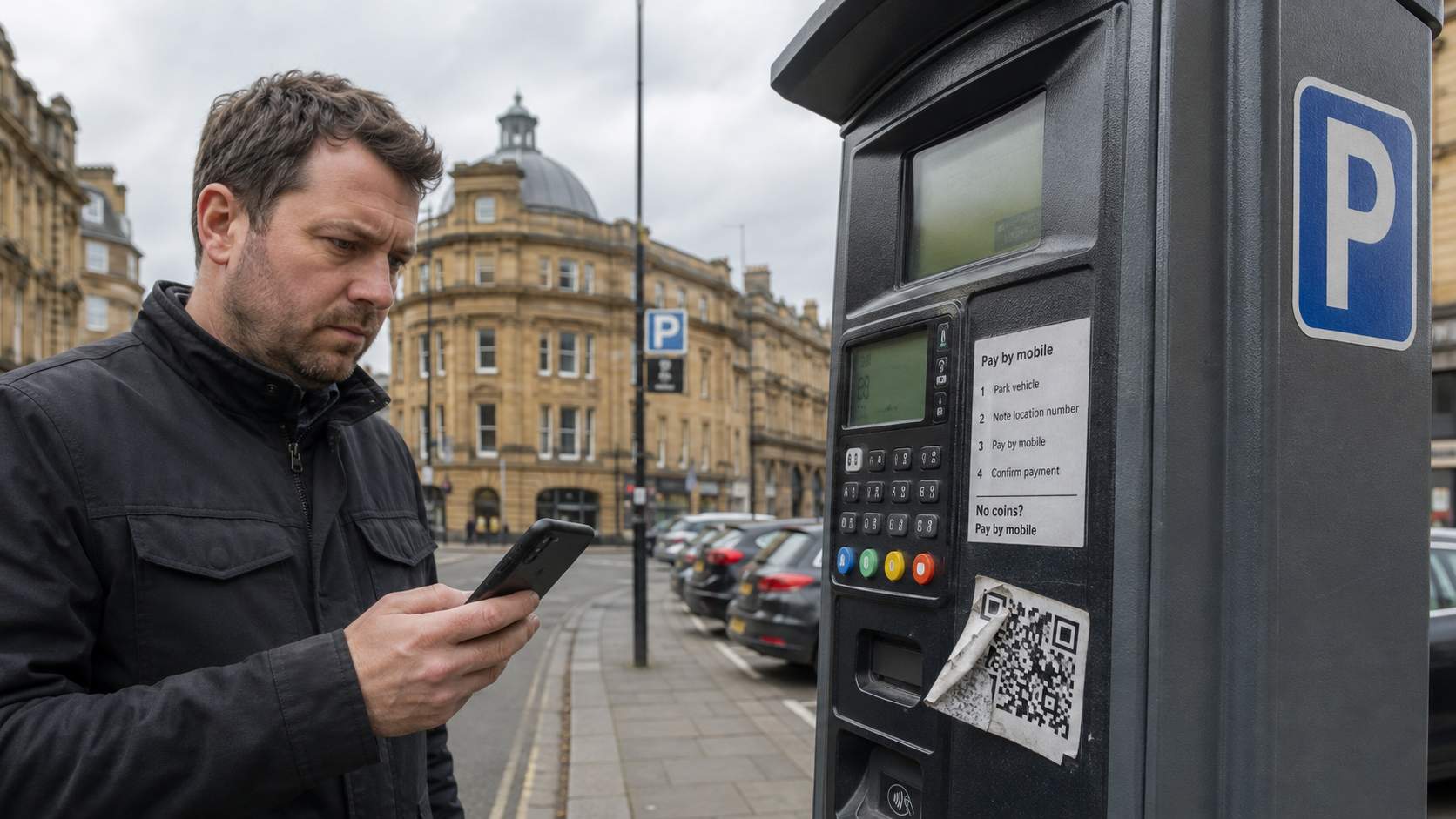
Jess Hagan, 28, and her fiancé Jake Freeman, 29, lost £370 after attempting to pay for parking at the Spanish City plaza car park in Whitley Bay. The couple, who are from Forest Hall in Newcastle, believed they were using a genuine RingGo payment page after scanning a QR code attached to a pay-and-display machine.
A convincing copy of a trusted parking website.
Jess said the website appeared professional and included familiar branding, payment pages and privacy information. Nothing immediately suggested that it had been created by criminals.
After the online payment appeared to be declined, the couple paid at the machine instead and continued with their day. It was only the following morning that they discovered five unfamiliar bank transactions, ranging from £20 to £150.
The payments totalled £370, adding further pressure at an already stressful time for the Newcastle couple, who are in the process of moving house.
What particularly concerned them was the quality of the deception. Jess works with data, while Jake is a graphic designer, but neither spotted an obvious warning sign. Their experience shows how sophisticated fake parking websites can appear, even to people who are normally careful online.
Scam discovered after checking RingGo advice.
The couple realised what had happened after visiting RingGo's official website and finding a warning about fraudulent QR codes.
RingGo says it does not place QR codes on the parking signs it issues to help motorists make payments. Drivers should use the official RingGo app, enter the location code manually or follow the instructions printed on an authorised machine.
The company advises motorists not to provide card information through a link opened by scanning a parking QR code. Suspicious stickers should be reported to the council or private operator responsible for the car park.
Jess and Jake contacted their bank, which opened a fraud investigation. The incident was also reported to the Financial Conduct Authority and North Tyneside Council, although the car park is on privately owned land.
QR code fraud reports are increasing.
The type of fraud is often called "quishing", a form of phishing that uses a QR code to direct victims to a fake website.
Figures publicised following an Action Fraud warning showed that 784 reports involving QR code fraud were made between April 2024 and April 2025, with reported losses approaching £3.5 million. Separate figures reported by The Guardian showed that Action Fraud received 1,386 QR scam reports during 2024, more than twice the previous year's total. A further 502 reports were recorded in the first three months of 2025.
The true number could be higher because victims may not realise that a later fraudulent transaction began with a parking payment.
Newcastle motorists urged to check before paying.
Drivers across Newcastle, North Tyneside and the wider North East should examine parking machines for stickers placed over official payment instructions. A polished website, padlock symbol or familiar company logo should not be treated as proof that a page is genuine.
Motorists should open the parking operator's official app directly, type its known website address into their browser or pay at the machine where possible. Anyone who has entered card details after scanning a suspicious code should contact their bank immediately and report the sticker to the car park operator.
RingGo's official QR code safety guidance confirms that it will never ask motorists to scan a QR code to pay for parking or download its app.
Share your experiences.
Have you spotted a suspicious parking QR code in Newcastle or elsewhere in the North East?
Crime News
Fake Parking QR Code Costs Newcastle Couple £370

Advertisement



Comments (0)
You must be logged in to post comments.
Don't have an account? Register here
No comments yet. Be the first to share your thoughts!