
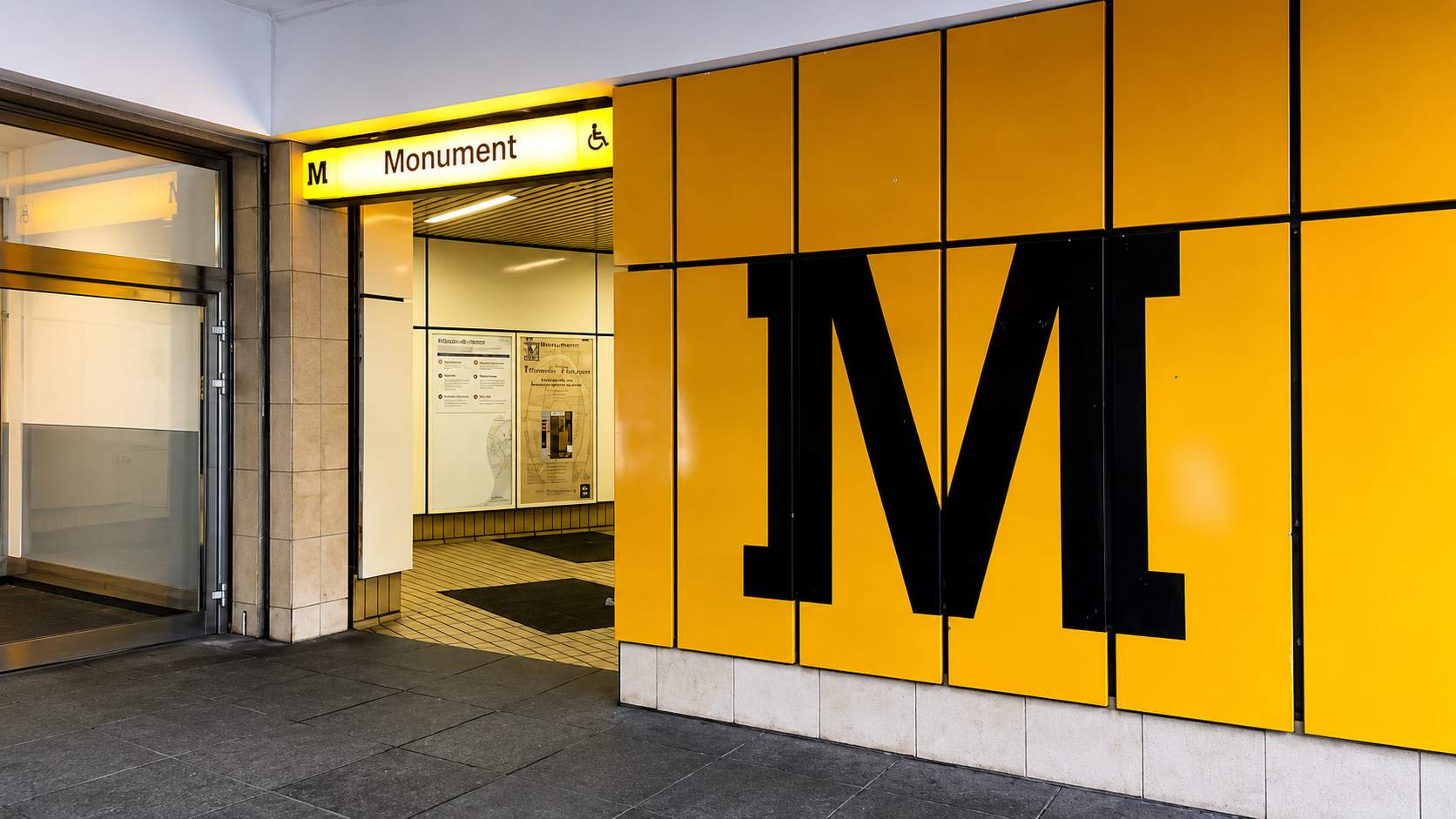
The Tyne and Wear Metro is undergoing the biggest transformation since it first opened in 1980, but with new trains, station upgrades and major infrastructure improvements all carrying significant price tags, many people are asking the same question. How much has the Metro upgrade actually cost taxpayers?
The answer depends on what is included in the calculation. While the new fleet of trains alone cost £362 million, the wider programme of investment stretches well beyond that figure. When infrastructure improvements, track renewals, signalling upgrades and additional transport projects are included, public investment in the Metro network now exceeds £900 million, with even more spending planned over the coming years.
The new Metro trains cost £362 million.
The most high-profile investment has been the purchase of 46 new Stadler Class 555 trains.
The £362 million contract covers not only the trains themselves but also maintenance facilities, spare parts, specialist equipment and a long-term maintenance agreement with Swiss manufacturer Stadler. Government funding covered the vast majority of the project, meaning taxpayers have ultimately funded the replacement fleet.
Although the rollout has faced delays and technical issues, the trains are expected to remain in service for around 35 to 40 years, replacing a fleet that had operated for more than 46 years.
Metro infrastructure has received hundreds of millions more.
The trains are only one part of the overall investment.
Since 2010, around £446 million has been invested in renewing Metro infrastructure across the network. This includes major work on stations, bridges, overhead power lines, signalling equipment and track renewals.
According to Nexus, this work has included:
35 stations refurbished
65 kilometres of track renewed or refurbished
65 kilometres of overhead power line replaced
62 bridges structurally repaired
27 escalators replaced
12 lifts replaced
Around 500 CCTV cameras upgraded
A new Rail Traffic Management System installed
Many passengers rarely notice these improvements, but they form the backbone of a safer and more reliable railway.
Metro Flow added another £104 million.
Another significant investment has been the Metro Flow project.
Costing around £104 million, the scheme doubled sections of single-track railway between Pelaw and Bede, helping improve reliability and creating additional capacity for future services.
While less visible than the new trains, projects like Metro Flow are designed to reduce delays and improve operational resilience across the South Tyneside section of the network.
The true investment is now close to £1 billion.
When the major projects are combined, the figures become striking.
Approximate taxpayer-funded investment includes:
New Metro trains - £362 million
Infrastructure renewal programme - £446 million
Metro Flow project - £104 million
That brings total investment to around £912 million, before including future signalling upgrades, station improvements and other planned works.
Why has so much money been needed?
Many of the Metro's assets dated back to the late 1970s.
The original trains entered service in 1980, while large sections of track, electrical systems and signalling equipment had also reached the end of their intended working lives.
Rather than carrying out emergency repairs year after year, successive governments chose to fund long-term replacement programmes designed to extend the network's lifespan for decades.
Experts argue that delaying investment further would likely have resulted in higher maintenance costs, more service disruptions and greater risks of infrastructure failures.
Has taxpayers' money delivered value?
That depends on who you ask.
Supporters argue the investment has modernised one of Britain's oldest light rail systems, improved accessibility, reduced long-term maintenance costs and prepared the Metro for future expansion, including proposed links to Washington.
Critics point to the delayed introduction of the new trains, software issues, temporary fleet withdrawals and ongoing reliability concerns during the rollout. They argue taxpayers should expect a smoother return after such a significant investment.
Nexus has also confirmed that financial penalties worth around £1.4 million were imposed on Stadler because of delays and performance issues during the delivery programme, helping recover a small proportion of the project's overall cost.
More investment is still on the way.
The spending has not finished.
The Government has also committed to future signalling upgrades, while regional leaders continue to push for Metro extensions, including the long-discussed route to Washington.
These projects are expected to cost hundreds of millions of pounds more over the next decade, meaning taxpayers will continue funding improvements designed to secure the future of public transport across Newcastle, Gateshead, Sunderland and the wider North East.
Whether people see the investment as money well spent may ultimately depend on one thing. If the Metro can consistently deliver the reliable, modern service that passengers have waited years to experience, many will argue the cost was justified. If reliability problems continue, questions over value for money are unlikely to disappear anytime soon.
Join the conversation.
Do you think the Metro upgrade has been worth the cost to taxpayers?
Local News
How Taxpayers Funded The Metro's £900m Transformation
Advertisement


Comments (0)
You must be logged in to post comments.
Don't have an account? Register here
No comments yet. Be the first to share your thoughts!