
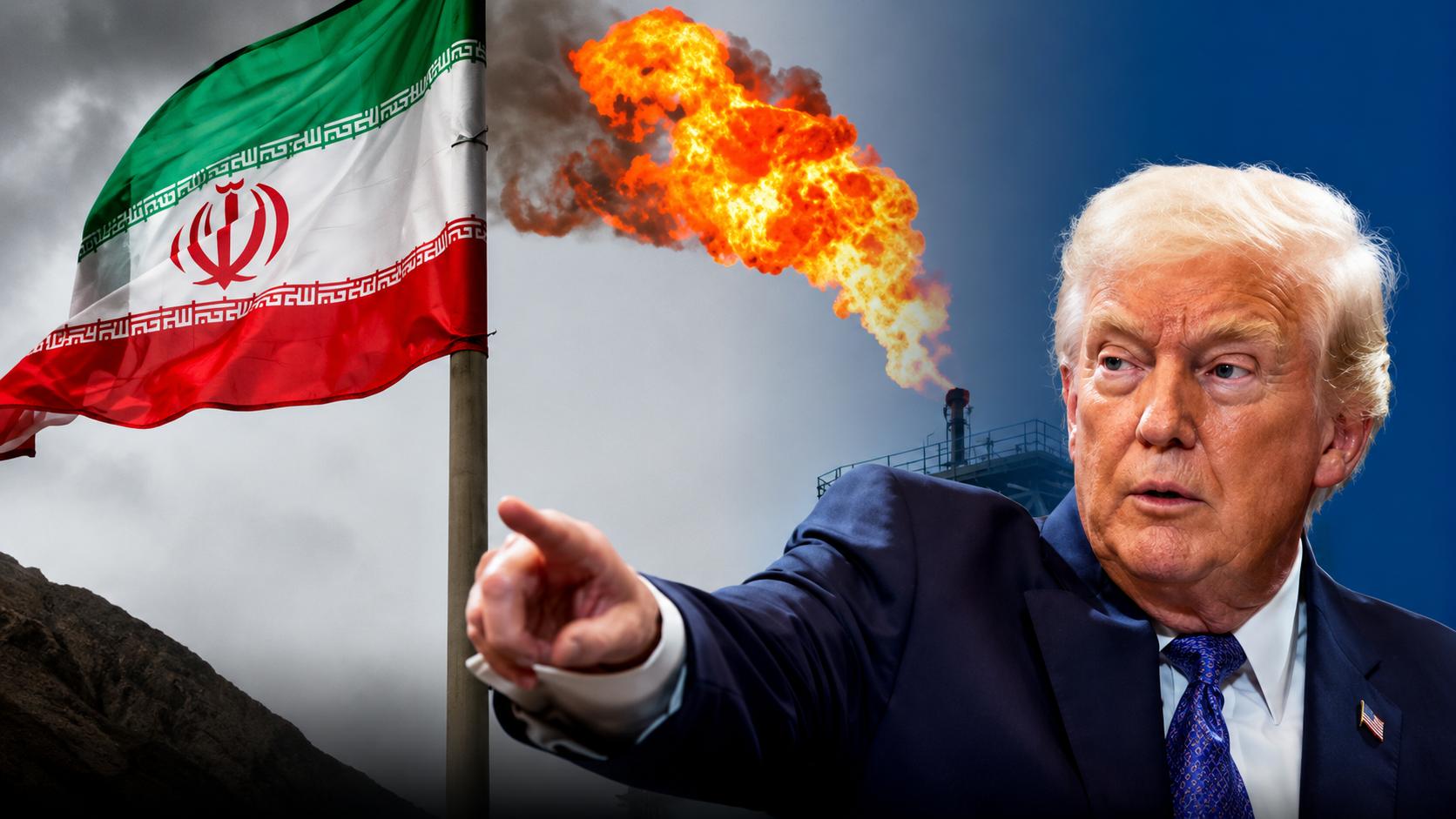
As fighting between the United States and Iran continues under President Donald Trump, many people across Tyneside may wonder why a conflict thousands of miles away matters to everyday life in Newcastle.
The answer lies in global trade, fuel markets and the price of energy. Even though the North East has no direct involvement in the conflict, businesses and households could still feel the effects through rising costs, disrupted supply chains and increased economic uncertainty.
While the long-term impact remains unclear, economists say international tensions involving one of the world's biggest oil-producing regions have historically affected everything from supermarket prices to mortgage rates.
Why Newcastle could feel the effects.
The biggest concern is energy.
Around 20 percent of the world's oil and liquefied natural gas normally passes through the Strait of Hormuz, a narrow shipping route that has become central to the conflict. Any disruption can quickly push oil prices higher because global markets react long before physical shortages appear.
Although Britain sources much of its oil and gas from the North Sea, Norway and other suppliers, the UK still buys fuel at global market prices. That means motorists filling up in Newcastle could eventually see higher prices at the pumps if oil continues climbing.
Government officials have stressed there is currently no need for panic buying and have said UK fuel supplies remain secure, although they acknowledge international price rises often take several weeks to reach consumers.
Household budgets may come under pressure.
Fuel is often only the beginning.
Higher oil prices can increase transport costs for businesses, making it more expensive to move food, consumer goods and construction materials around the country. Those additional costs are frequently passed on to shoppers.
The House of Commons Library has warned that prolonged disruption in the Middle East could contribute to higher UK inflation while reducing economic growth. That combination could also influence future interest rate decisions, affecting homeowners and first-time buyers across the North East.
For families already managing higher living costs, even relatively small increases across fuel, groceries and utilities can have a noticeable impact over several months.
What it could mean for North East businesses.
The North East has one of Britain's strongest exporting economies.
Major manufacturers including Nissan Sunderland, Hitachi Rail, Komatsu and numerous advanced engineering firms rely on complex international supply chains.
According to the North East Chamber of Commerce, exports remain a major driver of the regional economy, with billions of pounds worth of goods shipped overseas each year. Delays in global shipping or rising transport costs can increase production expenses even when products themselves have no connection to the Middle East.
Shipping companies may also face higher insurance costs if conflict continues around key maritime routes, creating additional pressure on importers and exporters.
Could jobs be affected.
At this stage, there is little evidence that jobs in Newcastle or the wider North East are under immediate threat because of the conflict.
However, economists say sustained periods of high energy prices can reduce business investment and consumer spending. Manufacturing businesses operating on tight margins may delay expansion or recruitment until market conditions become clearer.
The North East remains particularly reliant on manufacturing compared with many other English regions, making international economic developments more significant than they may appear at first glance.
Newcastle motorists may notice fuel prices first.
Historically, petrol and diesel prices react relatively quickly to global oil market movements.
Energy analysts say crude oil prices have risen sharply during the latest escalation, with some forecasts suggesting continued volatility if shipping through the Strait of Hormuz remains disrupted.
For commuters travelling daily into Newcastle city centre or those making longer journeys across Northumberland, County Durham and North Tyneside, even a modest increase of several pence per litre can add hundreds of pounds to annual motoring costs.
Public transport operators and logistics companies also face higher fuel bills, which can eventually influence fares and delivery charges.
The Port of Tyne could face indirect pressure.
The Port of Tyne remains one of the UK's busiest regional ports, handling vehicles, renewable energy equipment, containers and bulk cargo.
While it has no direct reliance on Iranian trade, global shipping disruption often affects freight schedules, insurance premiums and container availability worldwide.
Shipping delays experienced elsewhere can create knock-on effects throughout international logistics networks, something businesses have become increasingly familiar with since the pandemic.
The statistics behind the story.
Several figures help explain why the conflict matters even this far from the Middle East.
Approximately 20 percent of global oil and gas shipments normally pass through the Strait of Hormuz.
The UK Government says only around 1 percent of Britain's gas supply came directly from Qatar during 2025, highlighting that the UK's biggest exposure comes through global pricing rather than physical shortages.
The North East exports billions of pounds worth of manufactured goods annually, making stable international trade routes especially important for regional employers.
Meanwhile, economists continue monitoring inflation, interest rates and fuel prices as the conflict develops, with markets reacting almost daily to new military and diplomatic developments.
What happens next.
Much depends on whether tensions continue to escalate or diplomatic efforts succeed in reducing the conflict.
For Newcastle residents, the most immediate impact is likely to come through fuel prices and inflation rather than direct shortages.
Businesses across the North East will also be watching global markets closely, particularly manufacturers and exporters that depend on affordable transport and predictable supply chains.
Although the region sits thousands of miles from the fighting, the global economy means events in the Middle East can quickly reach the North East through household bills, business costs and consumer confidence.
Share your thoughts below.
Do you think the ongoing conflict in Iran will have a noticeable impact on life in Newcastle?
Political News
How Trump's Iran Conflict Could Hit Newcastle Residents Wallets
Advertisement




Comments (0)
You must be logged in to post comments.
Don't have an account? Register here
No comments yet. Be the first to share your thoughts!