
A healthy lawn is one of the biggest sources of pride for homeowners across Newcastle and the North East during summer, but warmer weather can quickly turn lush green grass into dry, patchy turf if it is not properly maintained. While our region rarely experiences the prolonged heat seen in southern England, changing weather patterns have made periods of drought, heavy rain and fluctuating temperatures increasingly common, meaning lawns need a slightly different approach than they did a decade ago.
Whether you have a small city garden in Newcastle, a family lawn in Gateshead or a larger plot in Northumberland, understanding when to mow, water, feed and tackle pests can make all the difference throughout the growing season.
Cut little and often.
One of the biggest mistakes gardeners make during summer is cutting the lawn too short. While it might seem like a way to reduce mowing, scalping the grass weakens the plant, exposes soil to direct sunlight and encourages weeds to establish themselves.
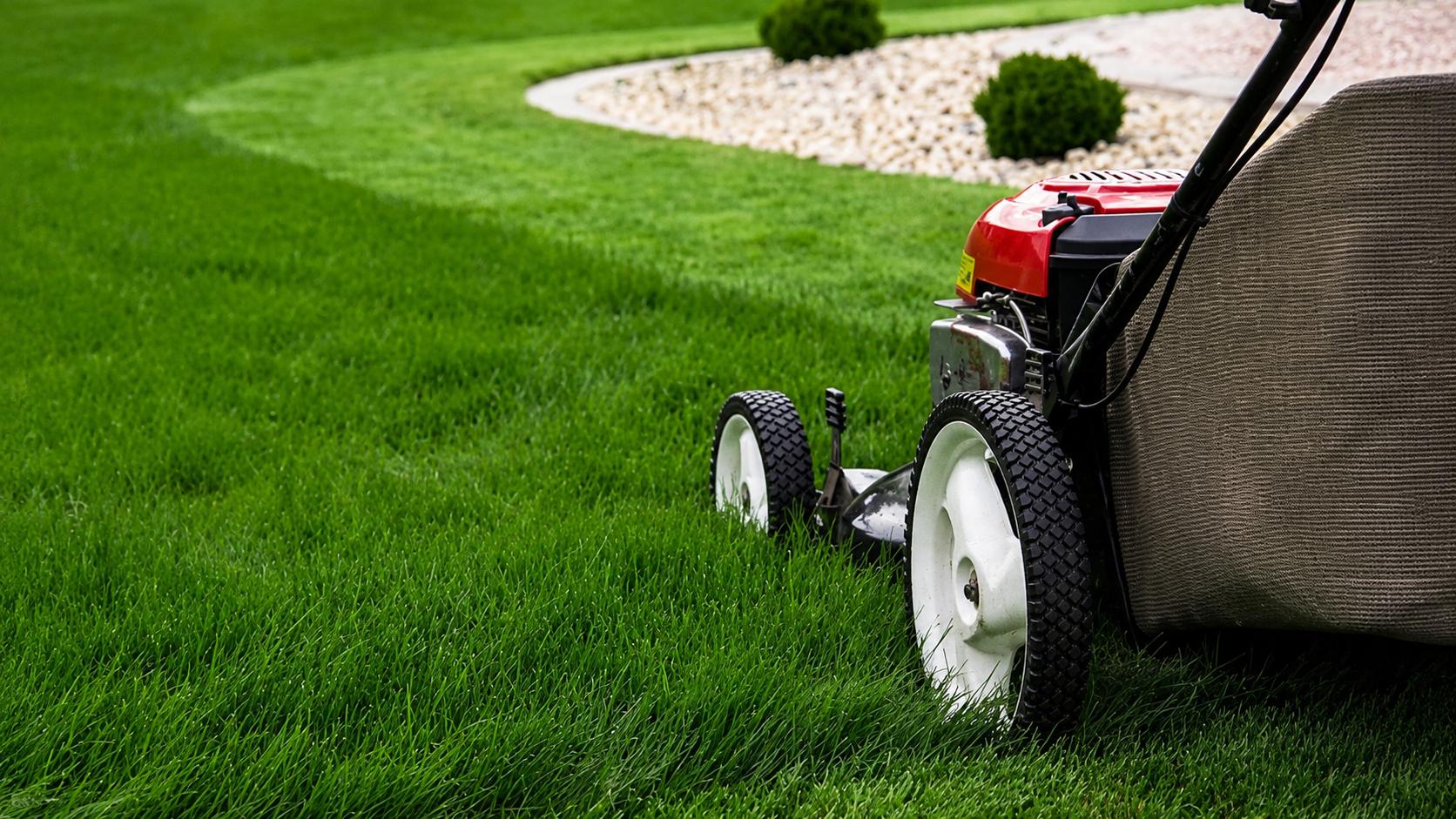
Garden experts generally recommend mowing once every seven days during periods of active summer growth. During hotter or drier spells, reducing this to every 10 to 14 days while raising the mower height helps the grass retain moisture and recover more quickly.
A useful rule is never to remove more than one-third of the grass blade in a single cut. This reduces stress on the lawn and keeps it looking fuller throughout the season.
In the North East, where showers can return unexpectedly, keeping mower blades sharp is equally important. Clean cuts reduce the risk of disease compared with torn grass caused by blunt blades.
Water properly, not constantly.
Many people reach for the hose every evening, but frequent shallow watering actually encourages weaker root systems.
Instead, lawns benefit from one or two deep watering sessions each week during prolonged dry weather. Watering early in the morning allows moisture to soak into the soil before the heat of the day causes evaporation.
The Environment Agency has previously encouraged households to use water wisely during dry periods, particularly when reservoirs come under pressure during warmer months. Collecting rainwater in a water butt is an increasingly popular way to reduce water use while keeping gardens healthy.
As a rough guide, around 25mm of water per week is usually enough for an established lawn during dry weather, including rainfall.
Feed your lawn at the right time.
Grass works hard during summer, and regular mowing removes valuable nutrients.
Applying a quality summer lawn feed between late May and early August helps replace nitrogen and other nutrients needed for healthy growth. Slow-release fertilisers are often preferred because they feed the lawn gradually without encouraging excessive growth.
Avoid feeding during extreme heat or when the grass is already stressed from drought. Waiting until after rainfall or watering beforehand produces much better results.
Most homeowners will only need to feed two or three times during the main growing season rather than every few weeks.
Watch for hidden lawn pests.
Brown patches are not always caused by dry weather.
Across the UK, leatherjackets, the larvae of crane flies, and chafer grubs are among the most common lawn pests. Both feed on grass roots beneath the surface, leaving lawns weak enough to lift away from the soil. Birds, foxes and even badgers may then tear up turf while searching for the grubs.
Leatherjackets are particularly common following wetter autumns because damp conditions improve survival rates for eggs and young larvae.
Natural nematode treatments remain one of the most widely recommended biological control methods and can be highly effective when applied at the correct time of year.
Weeds can reveal bigger problems.
Dandelions, clover and moss often appear when lawns become thin or unhealthy.
Rather than simply removing weeds, gardeners should identify why they appeared in the first place. Poor drainage, compacted soil, excessive shade or cutting grass too short all weaken lawns and allow weeds to spread.
Aerating compacted areas with a garden fork helps improve drainage, while overseeding thin patches in late summer gives new grass time to establish before autumn.
Think about wildlife too.
Not every part of the lawn needs to look like a bowling green.
Many gardeners across the North East now leave a small section of longer grass around borders or under trees to encourage pollinators and other wildlife.
Plantlife says the UK is home to around 270 species of wild bees and 59 butterfly species, many of which benefit from flowering lawns and longer grass during the warmer months.
Leaving even a modest wildlife corner can support biodiversity while reducing mowing time.
North East weather makes flexibility essential.
Unlike many parts of southern England, Newcastle and the wider North East often experience a mix of sunshine, sea breezes and passing showers throughout summer.
That changing weather means there is rarely a fixed lawn care schedule that works every week. Checking soil moisture before watering, adjusting mowing frequency after rainfall and delaying fertiliser applications during heatwaves are all simple ways to keep grass healthier without unnecessary work.
A little flexibility often produces better results than sticking rigidly to the calendar.
A greener lawn starts with simple habits.
The healthiest lawns are rarely the result of expensive treatments. Instead, they are built through consistent maintenance, sensible watering, regular feeding and avoiding common mistakes like cutting the grass too short.
For homeowners across Newcastle and the North East, adapting lawn care to local weather conditions can keep gardens looking greener for longer while supporting wildlife and reducing unnecessary water use. A few small changes now could leave your lawn in far better condition by the time autumn arrives.
Share your tips below.
How have you been keeping your lawn in top shape during the summer weather?
Lifestyle News
Is Your Lawn Ready for Another Heatwave?
Advertisement





Comments (0)
You must be logged in to post comments.
Don't have an account? Register here
No comments yet. Be the first to share your thoughts!