
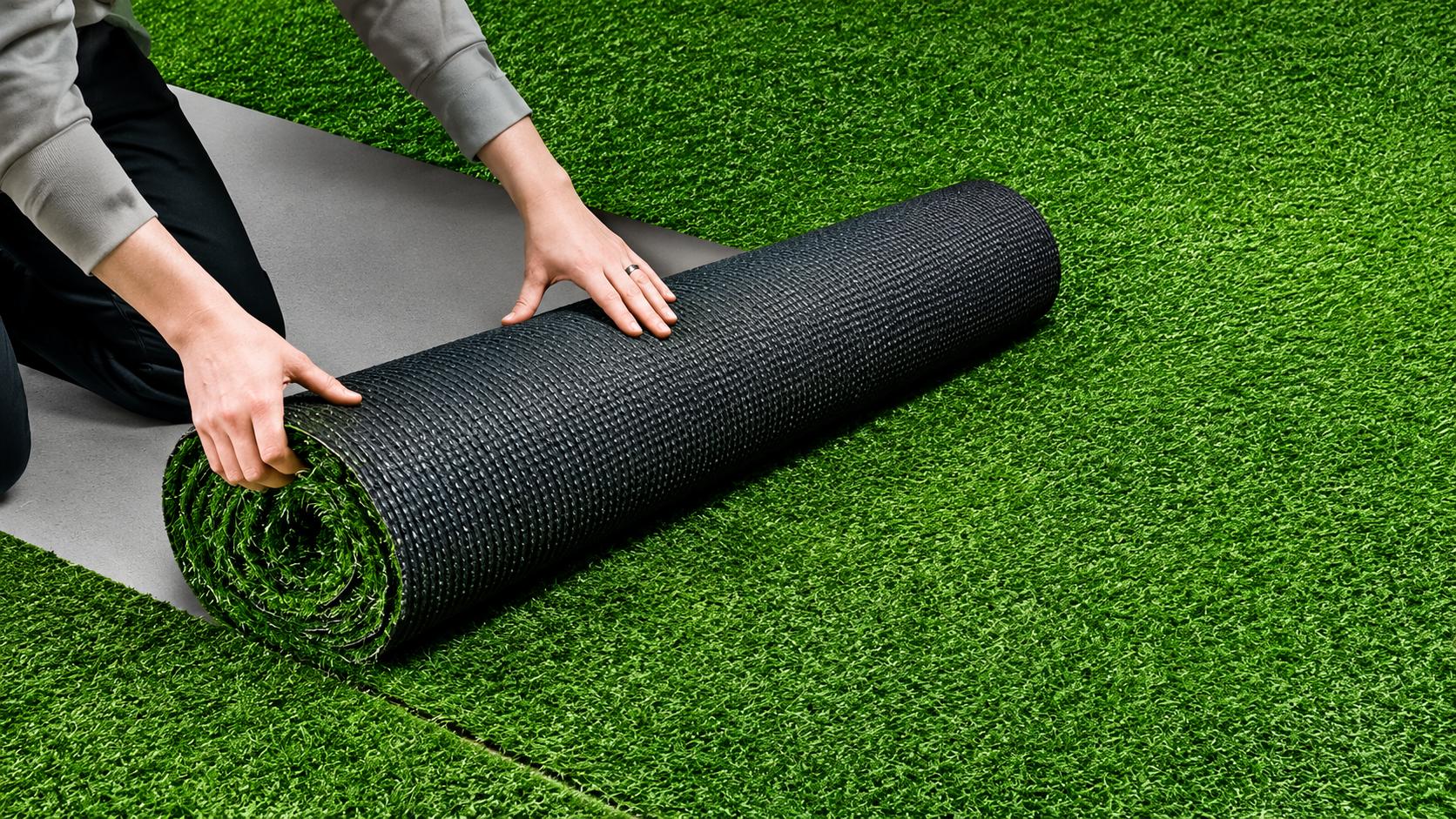
Artificial grass has become an increasingly common sight across Newcastle and the wider North East. Promoted as a low maintenance alternative to traditional lawns, it promises year-round greenery without mowing, watering or muddy footprints. For busy homeowners, landlords and families, that convenience has obvious appeal.
However, as environmental awareness continues to grow, researchers and horticultural experts are urging people to look beyond the marketing. While synthetic lawns can reduce routine maintenance, they also come with environmental costs that are only now becoming more widely understood.
From microplastic pollution to reduced biodiversity, artificial grass is prompting an important conversation about the future of Britain's gardens and whether convenience comes at too high a price.
Plastic lawns are becoming more common.
Artificial grass is no longer limited to sports pitches. It is now installed in thousands of domestic gardens, school playgrounds and commercial developments across the UK.
The Royal Horticultural Society estimates that domestic gardens now contain around 7.5 million square metres of artificial lawn, while all cultivated green spaces together contain approximately 18 million square metres, an area more than six times the size of the City of London. Despite that, artificial lawns still make up only 0.15 percent of domestic garden space, showing there is significant room for further expansion if current trends continue.
Across Newcastle and neighbouring communities, artificial grass has become particularly popular in smaller urban gardens where homeowners are looking to reduce maintenance or create play areas for children and pets.
Wildlife loses valuable habitat.
A healthy lawn is much more than green grass.
Natural gardens support insects, earthworms, fungi and countless microscopic organisms that help keep soil healthy. These in turn provide food for birds, hedgehogs and pollinating insects.
Replacing living grass with plastic removes much of that ecosystem. Even a modest suburban lawn can contribute to urban biodiversity when combined with flower borders, shrubs and trees.
Newcastle City Council actively encourages residents to create bee-friendly gardens and reduce pesticide use, recognising that private gardens play an important role in supporting local wildlife across the city.
For a region that already values its parks, nature reserves and green spaces, many environmental groups believe domestic gardens should also form part of the solution rather than becoming increasingly artificial.
The microplastics problem is growing.
One of the biggest environmental concerns surrounding artificial grass is the gradual release of microplastics.
Although synthetic lawns appear durable, they slowly break down through exposure to sunlight, changing temperatures, rainfall and everyday foot traffic. Tiny plastic fibres can then enter surrounding soil and waterways.
A major scientific review published in 2026 found that environmental stress causes artificial turf fibres to fragment over time, contributing to microplastic pollution. Researchers noted that previous studies have estimated losses ranging from 0.1 kilograms to as much as five tonnes of plastic material per sports field each year, depending on the type of surface and how heavily it is used.
While domestic gardens are much smaller than football pitches, experts say every additional artificial surface contributes to the wider issue of plastic entering the environment.
Hotter gardens during summer.
Artificial grass can also change the way gardens behave during warmer weather.
Unlike natural grass, which cools itself through evaporation, synthetic surfaces absorb and retain heat. During periods of strong sunshine, plastic lawns can become significantly hotter than surrounding vegetation, making them uncomfortable for children, pets and wildlife.
This is becoming increasingly relevant as the North East experiences more frequent summer heatwaves than in previous decades.
Natural lawns and planting also help cool urban environments while allowing rainwater to soak naturally into the ground.
Rainwater has fewer places to go.
Flood risk is another factor often overlooked.
Although many professionally installed artificial lawns include drainage layers, they still alter the natural relationship between soil, roots and rainfall. Living grass helps improve soil structure over time, allowing water to infiltrate more effectively.
The Royal Horticultural Society has also highlighted that around 42 percent of domestic garden space across Britain is now paved, reducing opportunities for rainwater absorption and increasing pressure on drainage systems. Replacing remaining natural lawns with plastic can further reduce gardens' ability to support healthy soils and biodiversity.
For cities such as Newcastle, where intense rainfall can quickly overwhelm drainage systems, every permeable green space continues to have value.
Are there greener alternatives?
For homeowners who simply want less maintenance, experts say there are alternatives that still support nature.
Clover lawns require less mowing, remain green for longer during dry weather and naturally add nitrogen back into the soil. Wildflower areas can dramatically increase biodiversity while reducing maintenance, and drought-tolerant planting schemes are becoming increasingly popular throughout the North East.
Even reducing the size of a traditional lawn in favour of flower beds, native shrubs or gravel paths can lower maintenance without replacing living grass entirely.
Balancing convenience with the environment.
Artificial grass is unlikely to disappear any time soon. For some households it provides practical benefits, particularly where accessibility, pets or heavy use make maintaining natural turf difficult.
However, growing evidence suggests homeowners should carefully consider the long-term environmental impact before making the switch. Plastic pollution, reduced wildlife habitat, warmer garden temperatures and the gradual loss of living green space all form part of a much bigger picture.
For Newcastle and the wider North East, where gardens collectively create thousands of hectares of valuable urban habitat, small decisions made by individual households can have a surprisingly large impact. As more people seek environmentally friendly gardens, the natural lawn may once again prove to be one of the most sustainable options available.
Share your thoughts below.
Could more wildlife-friendly gardens make a difference across Newcastle?
Lifestyle News
Newcastle Gardens Face a Growing Problem
Advertisement




Comments (0)
You must be logged in to post comments.
Don't have an account? Register here
No comments yet. Be the first to share your thoughts!