
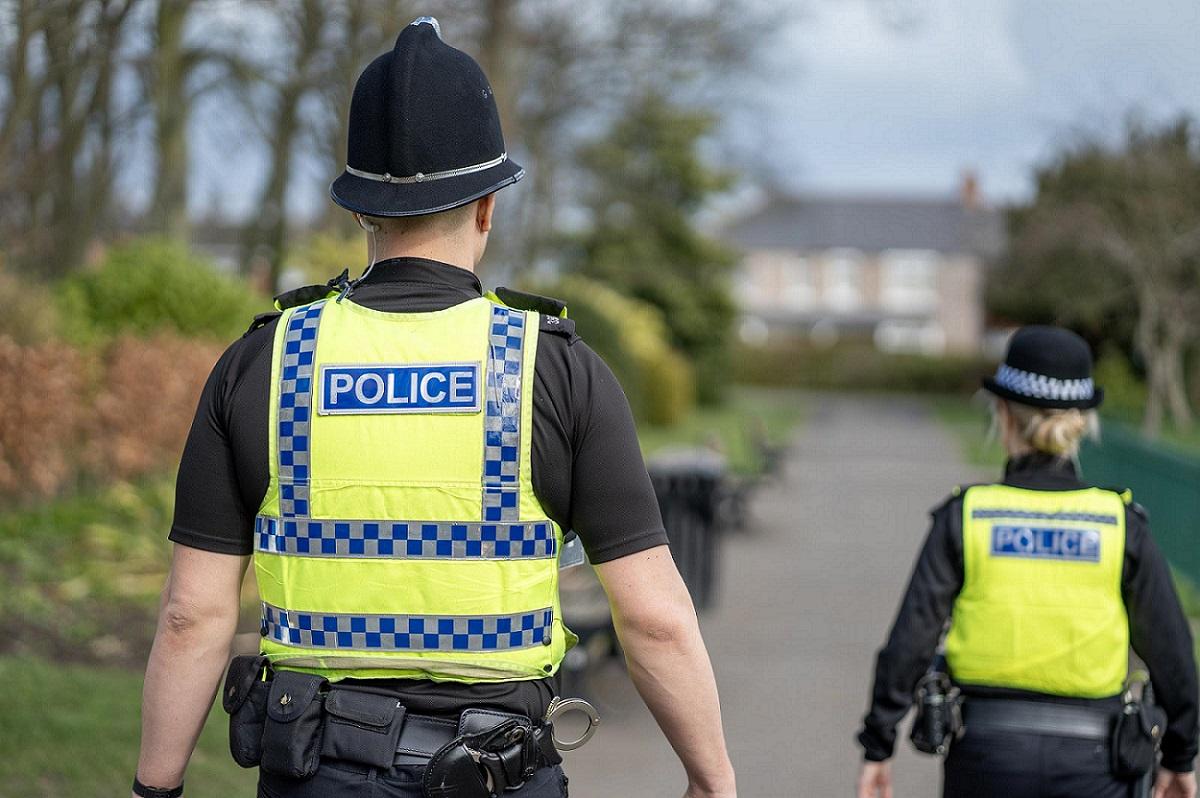
The bobby on the beat occupies a special place in the British idea of policing, a familiar figure who knows the area and is known in it. After years in which that visible presence was widely felt to have thinned, a national effort is under way to rebuild it. How effective neighbourhood policing is today is therefore a story of ambition newly set, with results still to follow.
A Renewed Commitment.
The centrepiece is a guarantee, launched in 2025, that every neighbourhood will have named, contactable officers and that residents and businesses will have a real say in setting local policing priorities. It promises officers who are out and about rather than desk-bound, holding surgeries, attending residents' meetings and visiting schools and community groups, with a deliberate focus on town centres and on the everyday crime, such as shop theft and street theft, that erodes confidence. The underlying aim is both practical and psychological: to deter offending and to reassure communities that someone is paying attention.
The Numbers Behind It.
Ambition on this scale needs people, and the commitment is to put 13,000 additional officers, police community support officers and special constables into neighbourhood roles. That is a substantial uplift, intended to reverse a long decline in dedicated neighbourhood staffing, and it sits alongside extra funding for policing more broadly. The figure has become a key test by which the policy will be judged, because named, contactable officers in every neighbourhood is only meaningful if the bodies exist to fill those roles.
Focused on What Bothers People.
A notable feature of the current approach is its focus on the offences that shape daily life rather than only the most serious crimes. Shop theft, street theft, anti-social behaviour and assaults on retail workers are explicitly named as priorities, reflecting an understanding that public confidence is built or lost on whether the streets and shops people use every day feel orderly and safe. This is neighbourhood policing as prevention and reassurance, not just response, and it is framed as part of a wider mission to make streets safer.
How Effectiveness Is Measured.
Judging whether neighbourhood policing works is harder than counting officers. Independent inspectorates assess forces on how well they prevent and deter crime and anti-social behaviour and how they treat the public, and these assessments provide an external check on performance. Public confidence and the proportion of people who experience anti-social behaviour are tracked over time and offer a read on whether visible policing is making a felt difference. None of these measures moves quickly, and all are influenced by factors well beyond any single initiative, which is why a fair verdict on a policy launched in 2025 cannot yet be a final one.
The Resourcing Tension.
The central challenge facing neighbourhood policing is an old one: protecting it when urgent demand pulls officers elsewhere. Neighbourhood teams are often the first place forces look when they need to cover emergencies, major incidents or investigations, and the result over the years has been an erosion of the consistent, familiar presence that makes the model work. The success of the current drive depends heavily on whether the promised additional officers materialise and, just as importantly, on whether they are genuinely ring-fenced for neighbourhood work rather than quietly absorbed into other pressures.
Why It Matters.
The case for getting this right is strong. A visible, trusted local presence does more than catch offenders; it gathers the intelligence that helps solve crimes, defuses problems before they escalate, and rebuilds the relationship between the police and the public on which the whole British model of policing by consent depends. Where that relationship frays, people report less, cooperate less and trust less, making every other part of policing harder. Neighbourhood policing, in that sense, is the foundation rather than the frill.
An Honest Assessment.
So how effective are neighbourhood policing teams today. The candid answer is that a serious attempt to strengthen them is in motion, with a clear guarantee, a focus on the crimes that matter most to communities, and a major staffing commitment, but the evidence that it is delivering safer, more reassured neighbourhoods is still being gathered. The direction is promising and the priorities are sensible. The decisive questions are whether the extra officers arrive, whether they stay in neighbourhood roles, and whether residents come to feel, on their own streets, that policing is once again present and approachable.
Lessons From the Past.
The current drive to rebuild neighbourhood policing is, in part, an attempt to relearn lessons that were arguably forgotten. The model of dedicated local teams, knowing their patch and known within it, was built up over years before financial pressures saw many such roles thinned out or repurposed, with officers pulled towards responding to incidents rather than preventing them.
The consequence, many in policing now acknowledge, was a weakening of the relationships and local knowledge that make policing effective, and a sense among some communities that the police had withdrawn from everyday life. Rebuilding that is not simply a matter of numbers, though numbers matter; it is about continuity, allowing officers to stay in an area long enough to build trust and understanding, and about giving them the time and remit to do genuine neighbourhood work rather than being permanently diverted.
It is also about visibility in a broad sense, being present, approachable and responsive, so that reporting a problem feels worthwhile and contact with the police is a normal part of community life rather than a rarity reserved for emergencies.
The experience of the past suggests that the hardest part will not be launching the initiative but sustaining it through future pressures on budgets and demand, when the temptation to raid neighbourhood teams for other priorities returns. Whether this time is different will be the real measure of success, and it is a measure that can only be taken over years rather than months.
We want to hear from you.
A major effort to rebuild visible neighbourhood policing is under way, but whether it delivers depends on officers arriving and staying in those roles.
When did you last see a police officer patrolling your neighbourhood on foot?
Crime News
Back on the Beat: How Neighbourhood Policing Is Changing
A national drive promises named local officers and 13,000 more neighbourhood staff. We look at how effective neighbourhood policing is, and what will decide it.
Advertisement



Comments (0)
You must be logged in to post comments.
Don't have an account? Register here
No comments yet. Be the first to share your thoughts!