
When most people think about human trafficking, they often picture international borders, hidden shipping containers or crime dramas on television.
The reality is far closer to home.
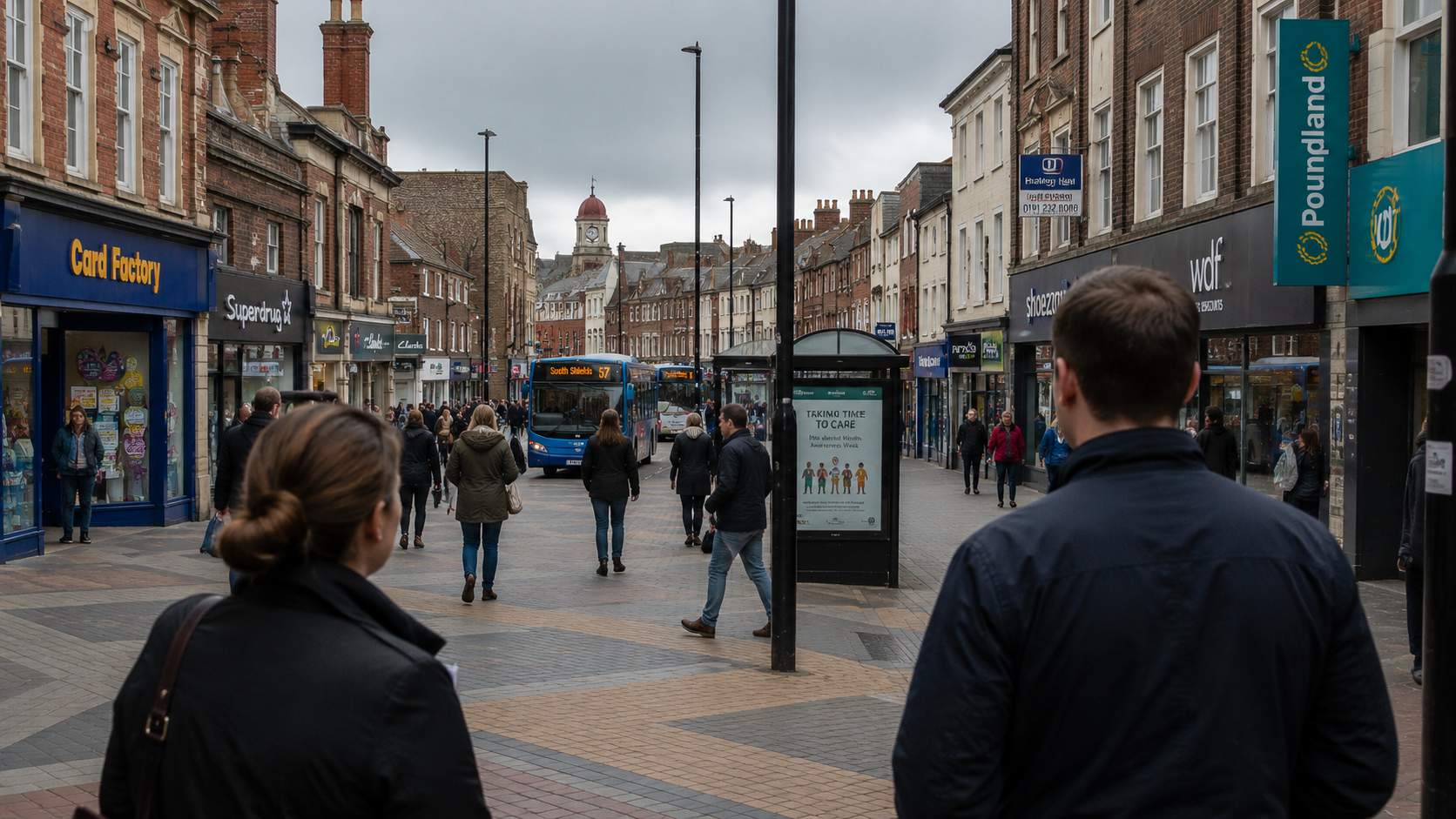
According to police and the National Crime Agency, human trafficking and modern slavery are crimes taking place in towns and cities across Britain, including communities throughout the North East. Victims are exploited in ways that are often hidden in plain sight, making the crime difficult to detect but increasingly important for investigators to tackle.
Recent operations have highlighted how organised crime groups use legitimate businesses, rented properties and criminal networks to exploit vulnerable people while generating millions of pounds through illegal activity.
Human trafficking is not just a big city problem.
One of the biggest misconceptions is that human trafficking only affects London or other major cities.
Law enforcement agencies say organised crime groups deliberately spread their operations across the country, using transport links, local communities and ordinary businesses to avoid attracting attention.
The North East Regional Organised Crime Unit has repeatedly warned that trafficking, modern slavery and labour exploitation are issues affecting the region, with investigations stretching across Northumberland, Tyne and Wear, County Durham and Teesside.
Investigators say organised crime networks often operate across several police force areas at the same time, making regional and national cooperation essential.
The scale of the problem continues to grow.
Official Home Office figures show 23,411 potential victims of modern slavery were referred to the National Referral Mechanism during 2025, the highest annual total since records began.
That represented a 22 percent increase compared with the previous year.
British nationals accounted for around 22 percent of referrals, while people from Eritrea and Vietnam were among the largest overseas groups identified.
Perhaps most strikingly, thousands of referrals involved children, demonstrating that trafficking is not solely an international issue but also affects vulnerable young people within the UK.
How trafficking reaches the North East.
Investigators say trafficking networks use several different methods to move victims into local communities.
Some victims are brought into the UK through false promises of employment before being forced into labour exploitation.
Others are British nationals recruited through coercion, debt or manipulation.
Criminal groups frequently move victims between different towns to reduce the risk of detection, while maintaining tight control over where they live, work and travel.
The Modern Slavery and Human Rights Policy and Evidence Centre says referral patterns show trafficking is not confined to major cities, with inland counties, transport hubs and urban centres all playing different roles depending on the type of exploitation involved.
The businesses and industries investigators monitor.
Police stress that the overwhelming majority of businesses operate legally and ethically.
However, intelligence-led investigations have identified cases where organised crime groups exploited certain sectors because they naturally involve cash transactions or temporary labour.
These have included car washes, construction, agriculture, hospitality, food production and, in some investigations, barber shops, nail salons, vape stores and convenience shops.
The businesses themselves are not the problem.
Rather, investigators say organised crime seeks opportunities to hide exploitation within otherwise legitimate industries.
What Operation Machinize revealed.
Operation Machinize has become one of the UK's largest coordinated investigations into organised crime linked to high street businesses.
Across England and Wales, the operation targeted criminal networks suspected of using money laundering to fund offences including human trafficking, modern slavery, firearms supply, drug trafficking and child exploitation.
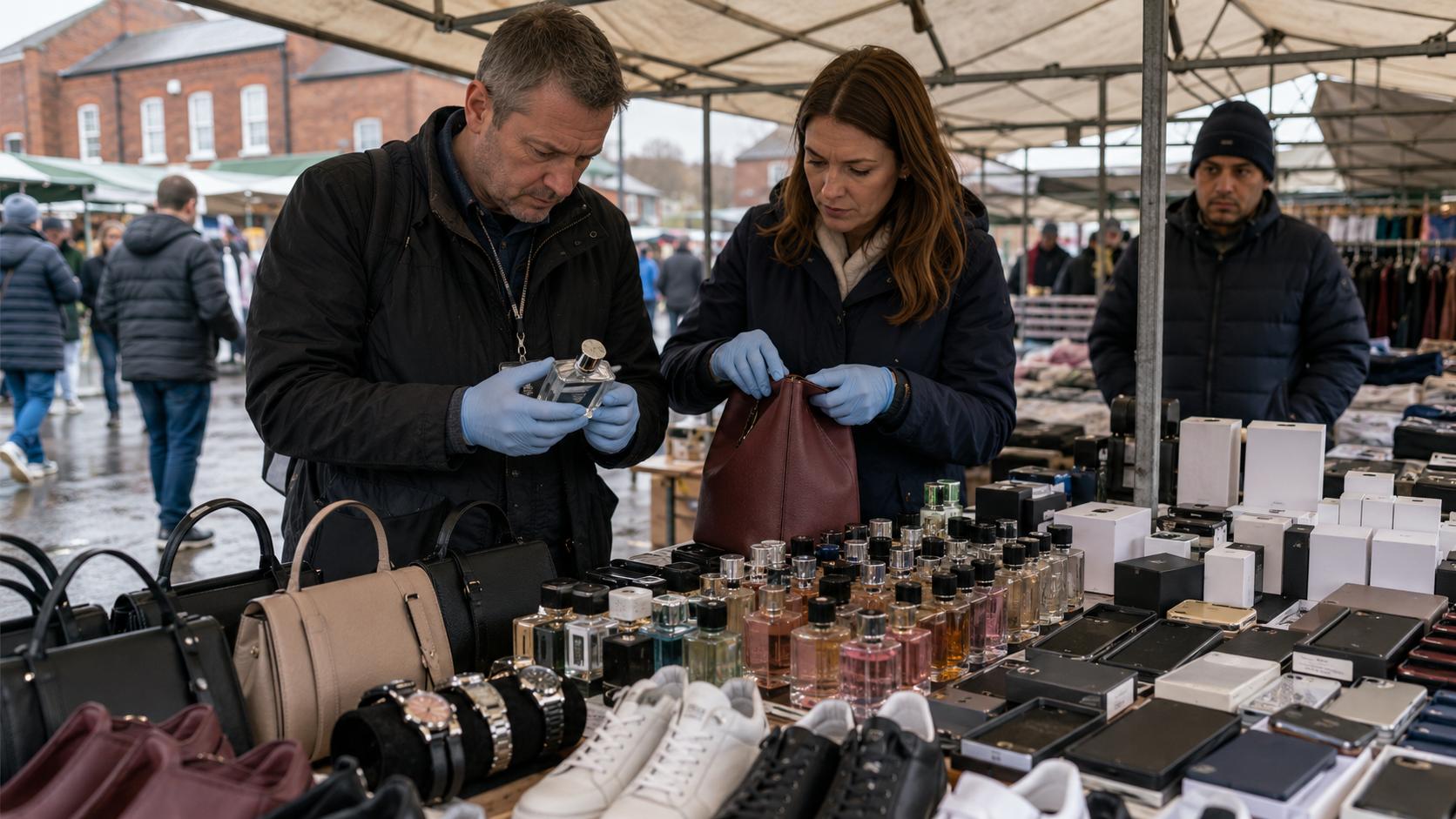
In the North East, officers from the North East Regional Organised Crime Unit, Northumbria Police, Durham Constabulary, Cleveland Police, HMRC, Immigration Enforcement and Trading Standards visited 39 premises during the first phase of the operation.
Officers seized more than £80,000 worth of illegal vapes, cigarettes and tobacco, recovered £5,000 in suspected criminal cash and arrested a man on suspicion of money laundering and handling stolen goods. Investigators said the operation was also designed to safeguard vulnerable people being exploited by organised crime.
Later phases of the operation expanded further across the region, demonstrating that organised crime networks continue to operate across the North East.
Why victims often remain hidden.
Modern slavery is frequently described as a hidden crime because victims are rarely free to seek help.
Many have had passports taken away, are threatened with violence, have wages withheld or fear retaliation against family members.
Some do not speak English, while others may not even realise they are legally recognised as victims of trafficking.
Investigators say members of the public often walk past exploited people without recognising the warning signs.
That is why police increasingly focus on intelligence gathering, financial investigations and safeguarding alongside traditional criminal investigations.
What this means for Newcastle.
For Newcastle and the wider North East, the message from law enforcement is balanced.
The region is home to thousands of honest businesses and employers who contribute positively to local communities every day.
However, organised crime groups continue looking for opportunities to exploit vulnerable people wherever those opportunities exist.
Operations such as Machinize demonstrate that tackling trafficking is not simply about arresting offenders. It is about protecting victims, disrupting criminal finances and ensuring legitimate businesses are not undercut by those operating outside the law.
As investigators continue following criminal money and identifying exploitation networks, Britain's fight against human trafficking is increasingly being fought not just at borders, but on ordinary streets in towns and cities across the North East.
Share your views below.
Do you think enough is being done to tackle human trafficking in the UK?
Crime News
The North East's Fight Against Human Trafficking
Advertisement


Comments (0)
You must be logged in to post comments.
Don't have an account? Register here
No comments yet. Be the first to share your thoughts!