
Across Newcastle, a growing number of sports clubs, charities, schools, and community organisations are helping redefine what sport looks like in the modern city. Inclusive sports programmes designed for people of different ages, abilities, backgrounds, and physical needs are attracting record levels of participation, creating opportunities that were often unavailable just a few years ago.
From wheelchair rugby and disability football to adapted cycling, boccia, walking sports, and sensory-friendly fitness sessions, inclusive sport is becoming one of the fastest-growing areas of community activity across Newcastle and the wider North-East.
The movement is helping thousands of people access physical activity while building confidence, improving mental wellbeing, and strengthening social connections. For many participants, inclusive sport offers something even more valuable than exercise. It provides a sense of belonging.
As Newcastle continues investing in accessible activities and community programmes, inclusive sport is becoming a powerful example of how local communities can remove barriers and create opportunities for everyone.
Why Inclusive Sports Are Growing in Popularity.
The demand for inclusive sport has increased significantly across the UK in recent years.
According to Sport England, more than 30 million adults now meet recommended physical activity levels, marking the highest participation rates ever recorded. The latest Active Lives survey found that 64.6 percent of adults in England are now regularly active, with participation continuing to rise.
At the same time, organisations working within disability sport say demand for accessible activities has grown rapidly.
Research published by Activity Alliance found that 76 percent of disabled people would like to become more active, highlighting a strong desire for greater access to sport and physical activity opportunities.
Many experts believe growing awareness around physical health, mental wellbeing, and social inclusion has helped drive this change. Communities are increasingly recognising that sport should be accessible to everyone regardless of age, disability, health conditions, or experience level.
Newcastle Is Building a More Inclusive Sporting Culture.
Newcastle has emerged as one of the North-East's leading areas for inclusive sports development.
A wide range of local organisations now provide specialised sessions designed to remove barriers and encourage participation. These programmes focus not only on competition but also on confidence-building, friendship, social inclusion, and long-term wellbeing.
Sport Newcastle, which has supported community sport across Tyneside for more than 50 years, continues backing local projects, clubs, and initiatives aimed at increasing access to sport across the region.
Many local groups have also benefited from partnerships involving charities, schools, local authorities, sports foundations, and national governing bodies.
The result is a growing network of opportunities available to people who may previously have struggled to find accessible sporting environments.
Disability Sports Are Creating New Opportunities.
One of the most significant developments has been the expansion of disability sport programmes.
Newcastle United Foundation now delivers a wide variety of disability football sessions throughout the region, including visually impaired football, amputee football, cerebral palsy football, deaf football, powerchair football, learning disability sessions, and adapted activities for both adults and children.
The programme operates across multiple venues and supports participants with a wide range of needs and abilities.
Community organisations say the benefits extend far beyond physical fitness. Participants often report increased confidence, improved mental health, stronger friendships, and greater independence.
Newcastle United Foundation has previously described its disability programmes as "life-changing" for many participants and families involved.
For parents and carers, inclusive sport also provides valuable support networks and opportunities to connect with others facing similar experiences.
Local Charities Are Driving Positive Change.
Several North-East charities have played an important role in expanding access to sport.
Smile Through Sport, founded by Paralympian Stephen Miller MBE, has become one of the region's leading disability sport organisations. The charity delivers events, education programmes, adapted activities, and sports sessions designed specifically for people with special educational needs and disabilities.
The organisation offers activities ranging from boccia and adapted cycling to social sports sessions and holiday programmes.
Its mission focuses on improving health, wellbeing, confidence, and inclusion through accessible sport.
As participation continues to grow, charities such as Smile Through Sport are helping demonstrate how sport can become a powerful tool for social change.
Wheelchair Sports Are Attracting New Participants.
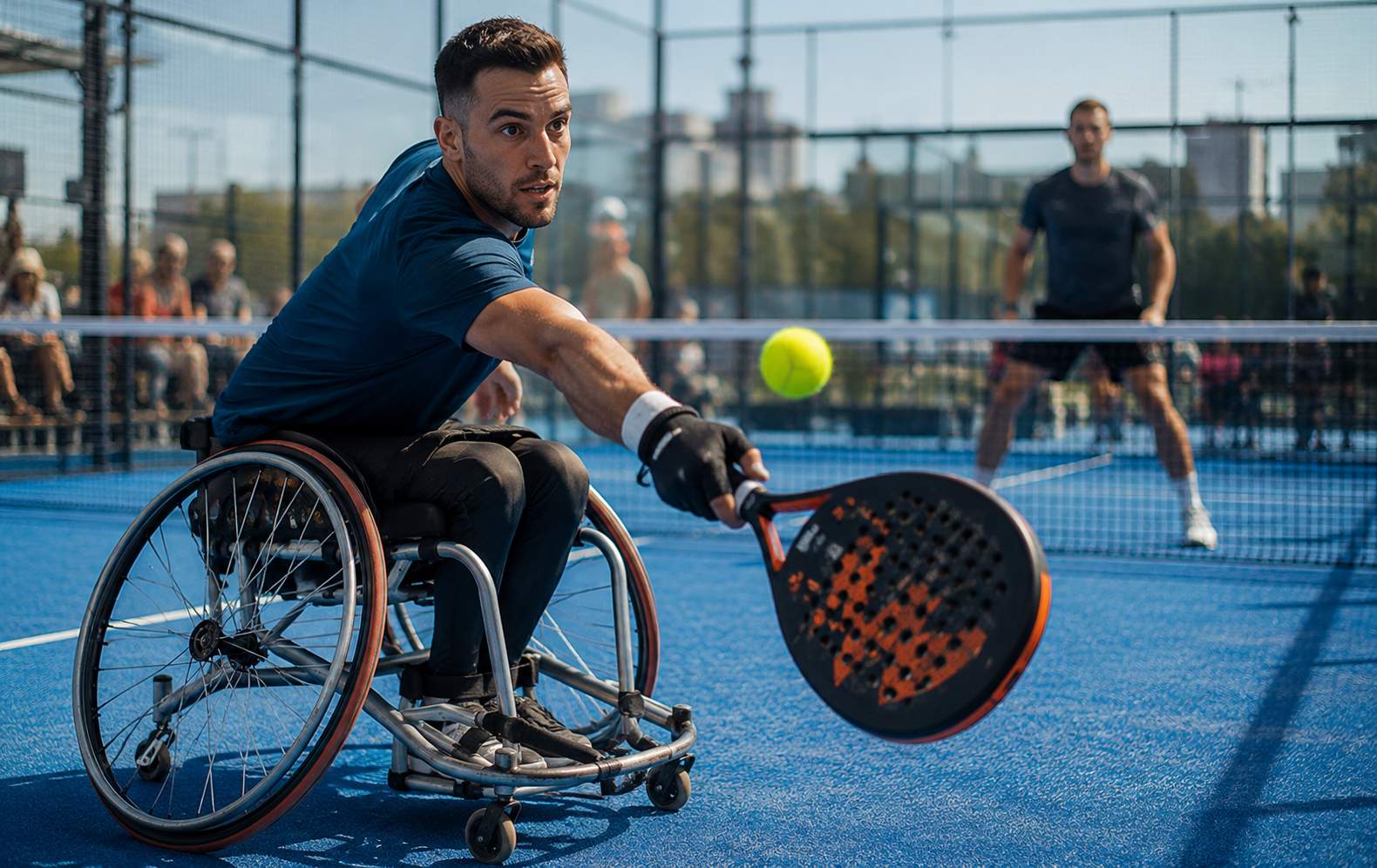
Wheelchair sports are also experiencing increased popularity across Newcastle.
Newcastle Wheelchair Rugby Club has become one of the region's most visible examples of inclusive sport in action. The club welcomes players of different ages, genders, and abilities while providing opportunities for both recreational participation and national-level competition.
Organisers say one of the biggest misconceptions about wheelchair sport is that it is only available to people with disabilities.
Many adapted sports programmes actively encourage mixed participation, creating environments where disabled and non-disabled athletes can compete together.
This inclusive approach helps challenge stereotypes while encouraging greater understanding between participants from different backgrounds.
The Mental Health Benefits Are Significant.
One reason inclusive sport has gained such strong support is the impact it can have on mental wellbeing.
Health experts increasingly recognise the relationship between physical activity and improved mental health outcomes. Regular participation in sport can help reduce anxiety, lower stress levels, improve mood, and strengthen self-esteem.
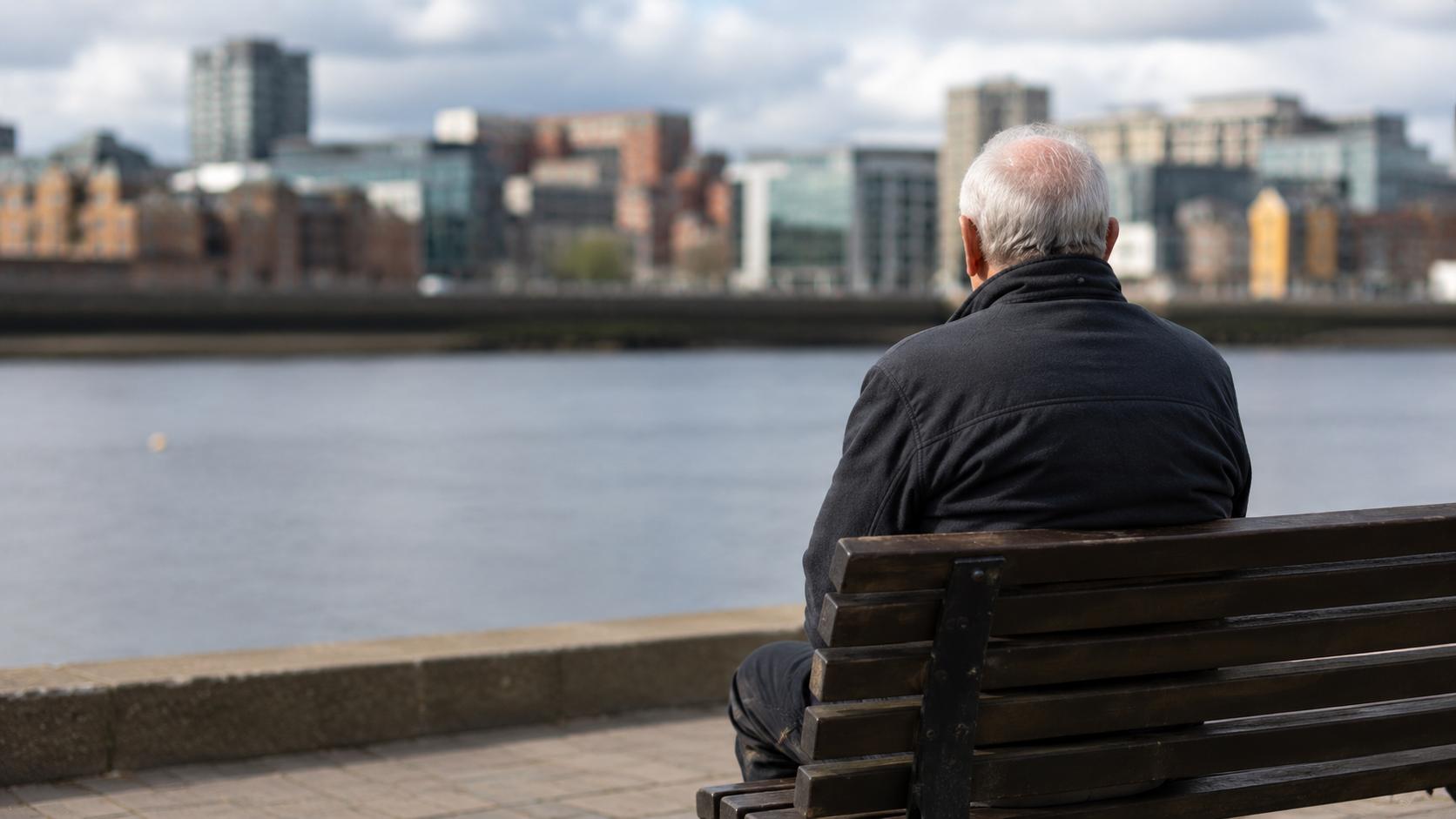
For people who may face social isolation, disability-related barriers, or long-term health conditions, inclusive sport can provide valuable opportunities for social interaction and personal development.
Many participants describe their sports groups as communities rather than simply activity sessions.
Friendships formed through inclusive sport often continue outside training sessions, helping create support networks that contribute to long-term wellbeing.
Participation Inequalities Still Exist.
Despite encouraging progress, experts say important challenges remain.
Sport England data shows disabled people remain significantly more likely to be physically inactive compared with non-disabled people. Around 43 percent of disabled adults are classified as inactive compared with 23 percent of those without disabilities.
Participation gaps also continue to exist across income levels, ethnic backgrounds, and geographic regions.
Recent Active Lives reports have highlighted ongoing inequalities despite overall increases in activity levels nationwide.
Community leaders argue that while opportunities have expanded, continued investment is needed to ensure accessibility remains a priority.
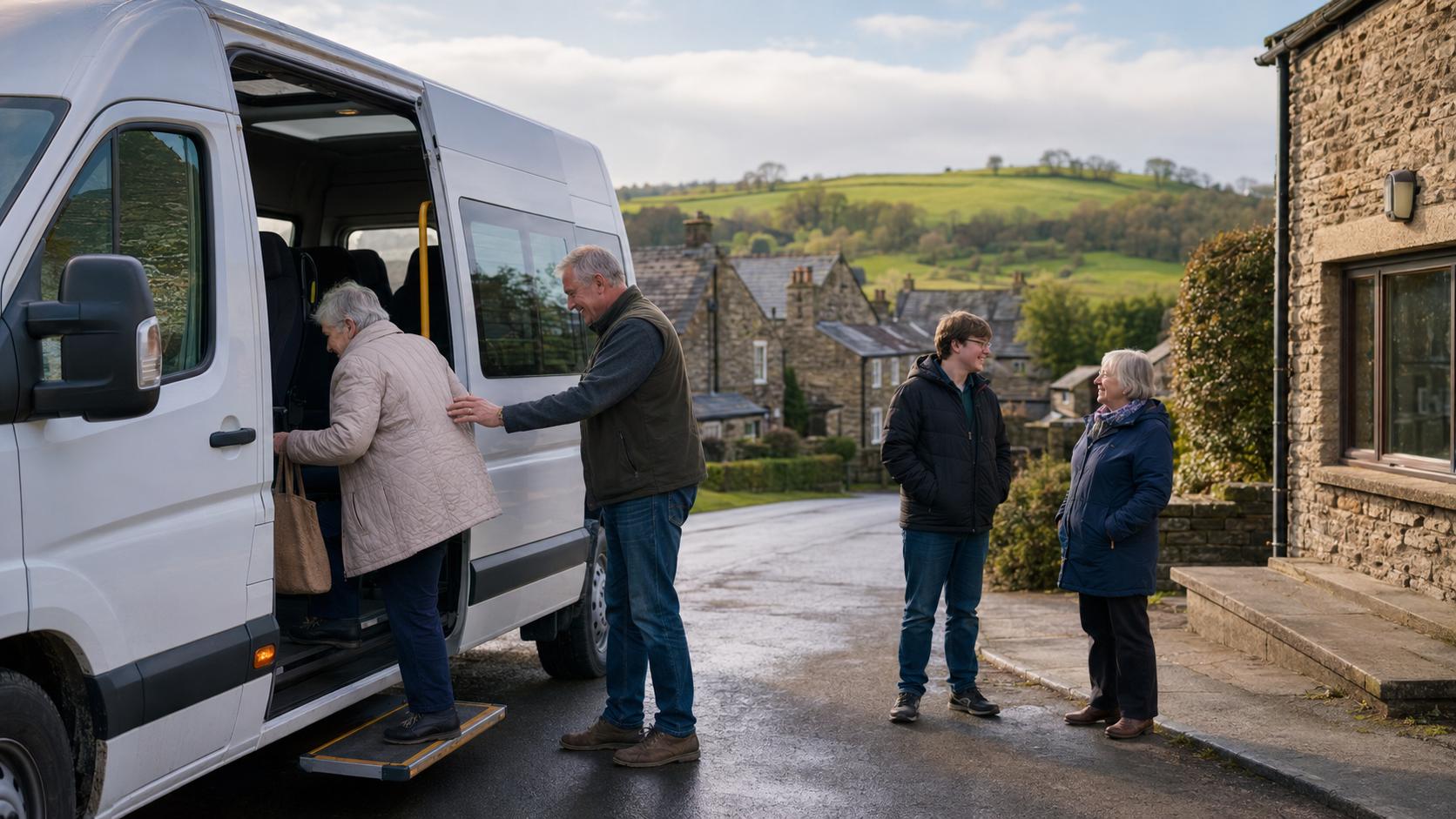
Issues such as transport, facility access, equipment costs, and awareness continue to affect participation rates for many groups.
Funding Is Supporting Growth.
Government bodies and sporting organisations have increasingly focused on tackling participation inequalities through targeted investment.
Sport England has introduced several funding programmes aimed at increasing activity levels among underrepresented groups and communities facing barriers to participation.
Previous funding initiatives have included millions of pounds dedicated to helping disadvantaged communities access physical activity opportunities.
National investment has also supported community facilities, local sports clubs, and grassroots programmes designed to encourage broader participation.
Many Newcastle organisations have benefited from these funding opportunities, allowing them to expand programmes and reach more participants.
Inclusive Sports Are Helping Young People Thrive.
Young people are also benefiting from growing access to inclusive activities.
Recent Sport England figures showed children in England are now at their most active levels since 2017, with approximately 3.6 million children achieving recommended activity targets.
Schools, clubs, and community organisations have increasingly focused on ensuring children with disabilities or additional needs can participate alongside their peers wherever possible.
Inclusive youth sport not only supports physical development but also helps improve communication skills, teamwork, confidence, and emotional wellbeing.
Many coaches say early access to inclusive sport can have a lasting impact on a young person's future relationship with physical activity.
Why Newcastle's Inclusive Sports Movement Matters.
The growth of inclusive sport across Newcastle represents more than a sporting trend.
It reflects a broader cultural shift towards accessibility, community participation, and equal opportunities. By removing barriers and creating welcoming environments, local organisations are helping ensure more people can experience the benefits of sport.
Whether through disability football, wheelchair rugby, adapted cycling, walking groups, or community fitness sessions, inclusive sport is helping individuals build confidence while strengthening communities.
As participation continues rising and more organisations invest in accessible programmes, Newcastle is becoming a leading example of how sport can bring people together regardless of age, background, or ability.
For many participants, inclusive sport is not simply about staying active.
It is about feeling seen, supported, and included.
That may be one of the most important victories sport can ever deliver.
Have you taken part in an inclusive sports programme in Newcastle?
Community News
Newcastle's Inclusive Sports Boom Is Breaking Down Barriers
Advertisement



Comments (0)
You must be logged in to post comments.
Don't have an account? Register here
No comments yet. Be the first to share your thoughts!