
Drivers across Newcastle and the wider North East are being urged to recognise the warning signs of "crash for cash" scams, as insurance fraud continues to cost motorists across the UK hundreds of millions of pounds.
While Newcastle has not emerged among the UK's leading crash for cash hotspots in recently published national rankings, fraudsters can target motorists anywhere. Knowing how these scams work, and what to do following a suspicious collision, could therefore make a significant difference.
What is a crash for cash scam.
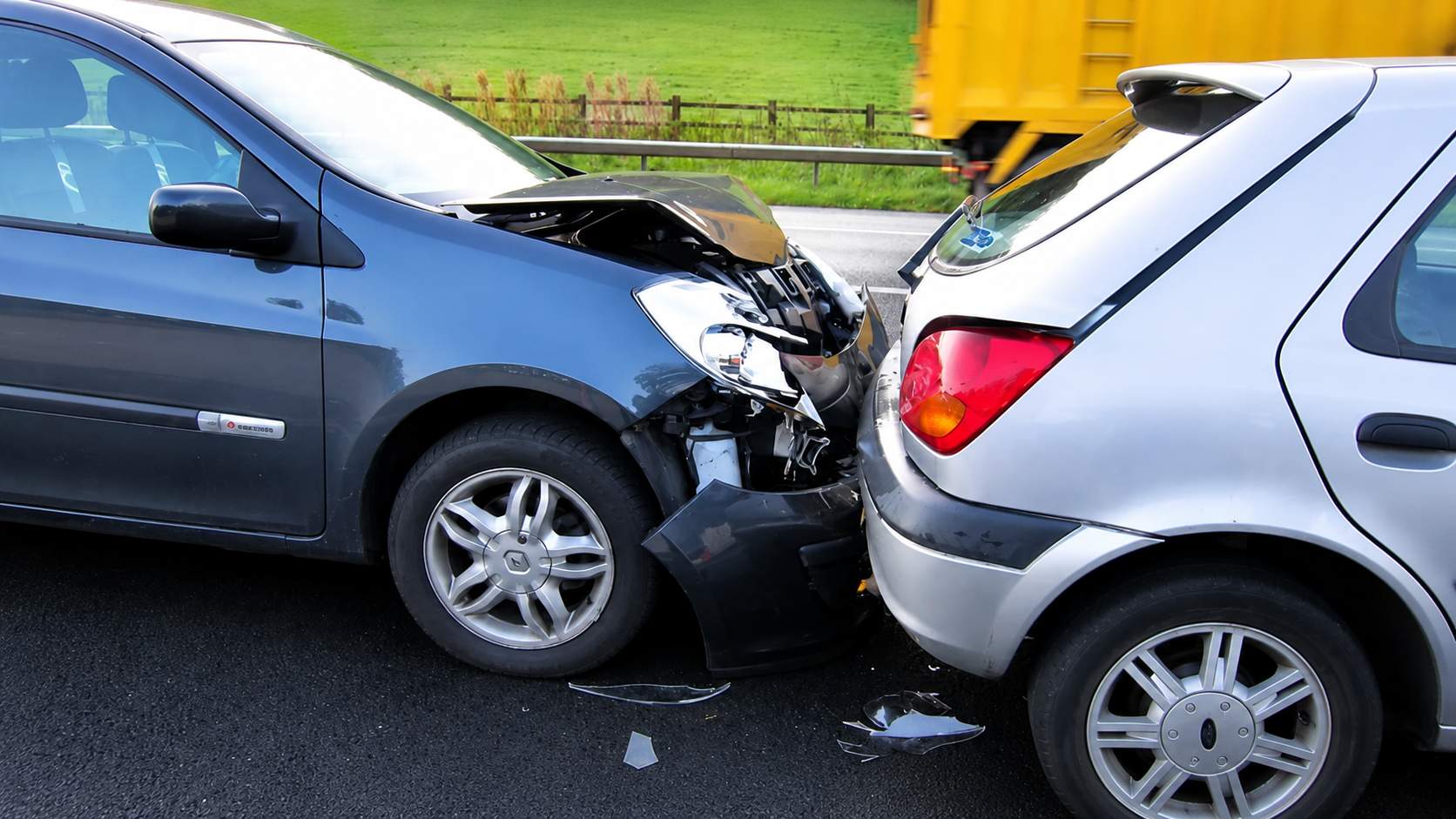
A crash for cash scam is a form of insurance fraud in which somebody deliberately causes, stages or fabricates a road traffic collision in the hope of receiving an insurance payout.
One of the best-known methods involves a vehicle braking sharply without a genuine reason, leaving the innocent motorist behind with little opportunity to avoid a collision. Fraudsters can then attempt to claim for vehicle damage, personal injuries, replacement vehicles and other costs.
Other tactics are becoming increasingly sophisticated. The Insurance Fraud Bureau has warned about deliberate collisions involving mopeds, while newer methods include motorists deliberately moving into the wrong lane at busy roundabouts to engineer an accident.
How big is the problem in the UK.
The scale of motor insurance fraud gives Newcastle and North East motorists good reason to remain alert.
The Insurance Fraud Bureau received more than 9,400 reports of insurance fraud during 2025, its highest annual figure on record. Separate figures reported in 2026 put the value of fraudulent motor insurance claims made during 2024 at almost £600 million.
Earlier IFB research demonstrates just how widespread suspected crash for cash activity can become. Analysis of 2.7 million motor insurance claims made between October 2019 and December 2020 identified around 170,000 claims potentially connected with suspected crash for cash networks.
The tactics are changing too. Allianz reported in 2024 that the number of crash for cash cases it identified involving motorbikes and scooters had increased 60-fold during 2023.
What does this mean for Newcastle and North East drivers.
Newcastle does not feature among the locations highlighted at the top of the latest national motor insurance fraud hotspot rankings. The IFB's historic research has instead identified areas including Birmingham, Bradford, Manchester and parts of London among locations particularly affected by crash for cash activity.
That should not, however, be interpreted as meaning North East drivers face no risk.
Busy urban roads, junctions, roundabouts and stop-start traffic can provide opportunities for an induced collision. Drivers travelling through Newcastle, Gateshead, North Tyneside, South Tyneside and surrounding areas should therefore understand the warning signs rather than assuming the scam only happens elsewhere.
How can drivers spot a suspicious collision.
Unexpected and unnecessary braking can be one warning sign. Drivers should also be cautious when another road user behaves unusually at a junction or roundabout, appears remarkably prepared immediately after an accident or begins exaggerating injuries following a relatively minor impact.
None of these behaviours proves that insurance fraud has taken place, so motorists should avoid making accusations at the roadside.
Instead, concentrate on gathering accurate evidence. Record the location, time, registration numbers, vehicle descriptions, passengers and witnesses. Photographs can help establish vehicle positions and damage, while dash cam footage may provide particularly useful evidence.
How can motorists protect themselves.
Leaving a sensible following distance is one of the simplest precautions. It provides additional stopping time if the vehicle ahead suddenly brakes and reduces the opportunity for somebody to induce a rear-end collision.
A dash cam can also provide an independent record of what happened before and during an incident.
Following a suspicious collision, drivers should contact their insurer as soon as possible and explain exactly what happened, including why they believe the incident may have been deliberate. The IFB also operates a confidential CheatLine for reporting suspected insurance fraud.
Drivers should also be cautious about sharing unnecessary personal information. Recent crash for cash cases have raised concerns about fraudsters attempting to obtain personal details following collisions, potentially creating an additional identity fraud risk.
Staying alert on North East roads.
Crash for cash fraud ultimately affects more than the motorists directly targeted. Fraudulent claims increase costs for insurers and can contribute to the financial pressure faced by ordinary policyholders.
For Newcastle and North East drivers, awareness remains one of the strongest defences. Maintaining a safe distance, using a dash cam, recording unusual behaviour and quickly reporting suspicious incidents can make it much harder for an attempted scam to succeed.
Share your experience.
Have you witnessed suspicious driving or a possible crash for cash scam in Newcastle or elsewhere in the North East?
Crime News
The Car Insurance Scam Newcastle Drivers Should Know
Advertisement


Comments (0)
You must be logged in to post comments.
Don't have an account? Register here
No comments yet. Be the first to share your thoughts!