
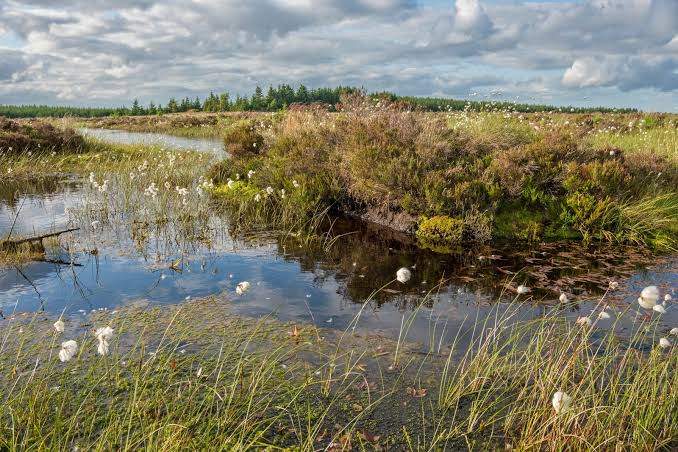
To many people, peatlands are little more than soggy moorland stretching across the Northumberland countryside. They are often overlooked by walkers heading for dramatic viewpoints or historic landmarks, yet these landscapes quietly perform some of the most important environmental jobs in Britain.
Across Northumberland and neighbouring parts of the North East, peatland restoration projects are transforming damaged uplands into healthier habitats that benefit wildlife, improve water quality and even help reduce flood risks for communities downstream.
With Newcastle relying on the surrounding countryside for clean water, thriving ecosystems and climate resilience, the recovery of these ancient landscapes is becoming increasingly significant.
What exactly are peatlands?
Peatlands form over thousands of years as mosses and other vegetation gradually decay in permanently waterlogged conditions. Because decomposition happens so slowly, thick layers of carbon-rich peat build up beneath the surface.
Healthy peatlands are remarkably rare on a global scale. They cover only around 3 percent of the Earth's land surface, yet they store more carbon than all the world's forests combined, making them one of nature's most effective long-term carbon stores.
The UK is home to approximately 20,000 square kilometres of peatland, but decades of drainage, erosion and land management have left much of it degraded, turning valuable carbon stores into sources of greenhouse gas emissions.
Northumberland is home to nationally important peatlands.
The North East contains some of England's most significant blanket bog habitats.
Within the North Pennines National Landscape alone there are around 900 square kilometres of peatland, representing 27 percent of England's blanket bog habitat. These internationally important landscapes support rare wildlife, help regulate river systems and preserve thousands of years of natural history.
The Northumberland Peat Partnership is also restoring peat across an area of approximately 142,000 hectares, stretching from north of the A69 to the Scottish border. During 2024 alone, almost 4,000 hectares were surveyed for future restoration work.
These projects are helping repair landscapes that have suffered decades of erosion while creating healthier habitats for plants, birds and insects.
Helping reduce flood risks.
One of the least understood benefits of healthy peatlands is their ability to manage water naturally.
Instead of allowing heavy rainfall to rush quickly into rivers, healthy bogs act like giant natural sponges, slowing the movement of water across the landscape.
When peat dries out or becomes damaged, rainwater runs off much more quickly, increasing erosion and adding pressure to rivers downstream.
Restoration work across the North Pennines has shown that re-wetting damaged peat helps slow surface water, reducing flood risk while also limiting sediment entering rivers and reservoirs.
For communities around Newcastle, Gateshead and other parts of the North East, this natural flood management could become increasingly valuable as climate change brings heavier rainfall events.
Wildlife is returning alongside healthier habitats.
Peatlands support an extraordinary variety of wildlife that depends on wet, open landscapes.
Species including curlew, golden plover, dunlin, snipe and dragonflies all benefit from restored blanket bogs, while rare sphagnum mosses gradually return as water levels recover.
Healthy peatlands also support insects that provide food for breeding birds and help improve biodiversity across wider landscapes.
Many restoration projects now combine peat recovery with wider habitat improvements, creating stronger ecological networks that allow wildlife to move more easily between protected areas.
Better drinking water for the North East.
Few people realise that damaged peatlands can also affect the quality of drinking water.
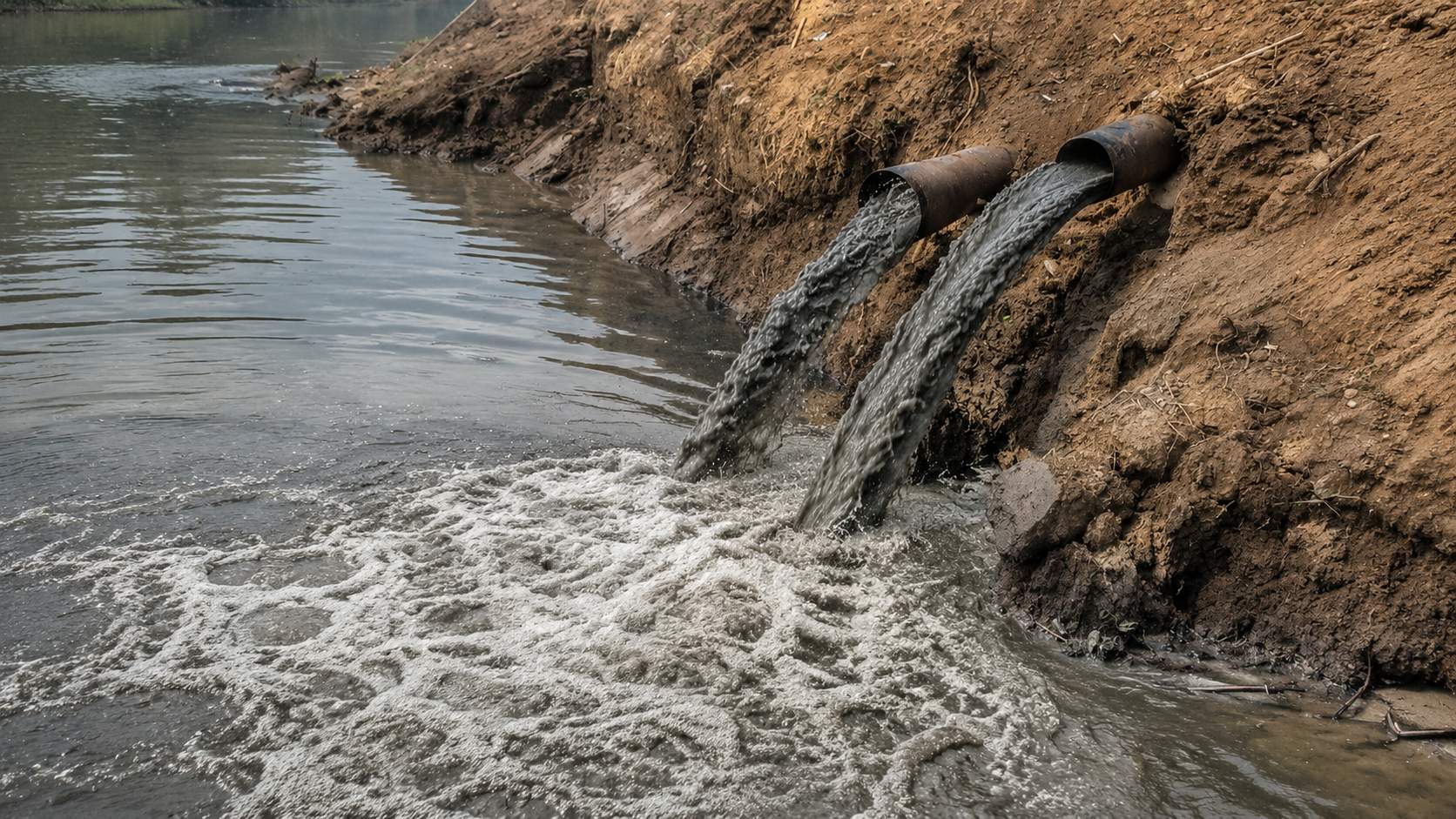
When peat erodes, fine particles wash into rivers and reservoirs, increasing treatment costs before water reaches homes and businesses.
Healthy peat filters rainfall naturally, helping improve water quality while reducing the amount of sediment entering water supplies.
For a region where thousands of households rely on upland catchments, protecting peatlands offers both environmental and economic benefits.
A major investment in nature.
Peatland restoration has become one of Britain's largest landscape recovery programmes.
Since 2006, the North Pennines National Landscape team has helped bring around 50,000 hectares of damaged peatland under restoration while attracting approximately £49 million of investment into nature recovery projects across County Durham, Cumbria and south west Northumberland.
The work has already restored an area more than four times the size of Newcastle, demonstrating the scale of the transformation taking place across the region.
Nationally, new government mapping has revealed that around 80 percent of England's peatlands remain dry and degraded, highlighting just how much restoration work is still needed. Scientists estimate restoring only 55 percent of England's peatlands could deliver environmental benefits worth around £50 billion, thanks to lower carbon emissions, improved water storage and cleaner water supplies.
Why it matters for Newcastle.
Although Newcastle is best known as a vibrant city, its future is closely connected to the health of the surrounding countryside.
Peatlands help protect drinking water sources, improve biodiversity, support tourism, reduce downstream flooding and capture carbon that would otherwise contribute to climate change.
As businesses and local authorities across the North East continue investing in climate resilience, these upland landscapes are becoming recognised as essential natural infrastructure rather than forgotten wilderness.
The restoration taking place today may not always be immediately visible to city residents, but its long-term benefits could be felt for generations through cleaner rivers, healthier wildlife populations and greater protection from extreme weather.
By continuing to restore Northumberland's peatlands, the region is investing not only in nature but also in stronger, more resilient communities across the North East.
Join the discussion below.
Have you visited Northumberland's peatlands or noticed local conservation work taking place?
Community News
The Hidden Power of Northumberland's Peat Bogs
Advertisement




Comments (0)
You must be logged in to post comments.
Don't have an account? Register here
No comments yet. Be the first to share your thoughts!