
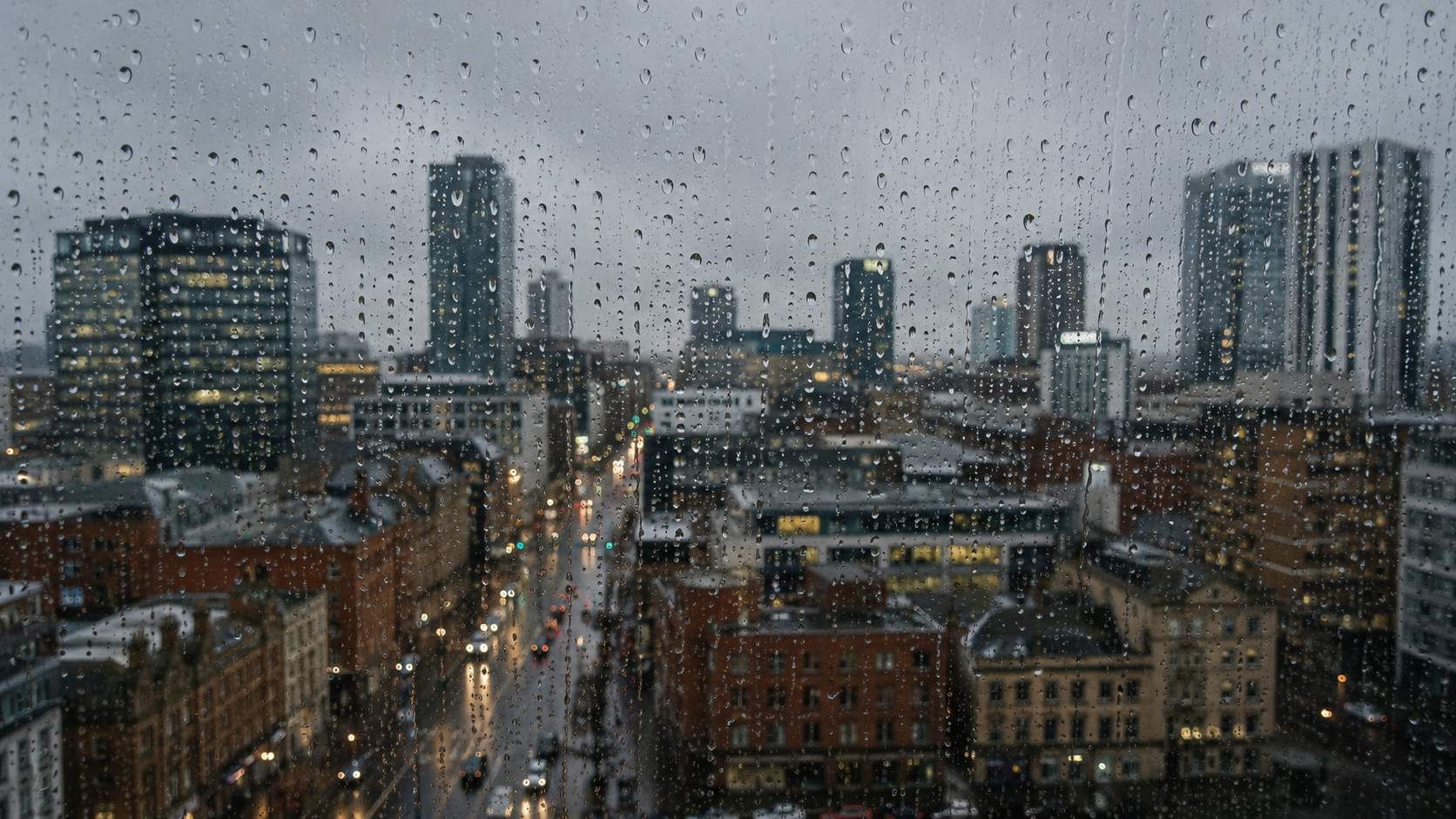
From brown lawns to dusty footpaths and gardens crying out for a good soaking, the lack of rainfall has become one of the biggest talking points across Newcastle and the North East this summer.
Many residents have commented that it feels like it has hardly rained for weeks, and the latest Met Office data suggests those observations are well founded. Large parts of eastern and north-eastern England have experienced a significantly drier than average summer, with rainfall well below what would normally be expected by the middle of July.
While many people have enjoyed the sunshine, the prolonged dry spell has raised questions about water supplies, farming, wildlife and whether meaningful rain is likely to return anytime soon.
Just How Much Rain Has Fallen?.
According to the Met Office's latest seasonal climate update, eastern and north-eastern England have received around 26 percent of their average summer rainfall so far, compared with the amount normally expected by the middle of July. Across England as a whole, only 34 percent of average summer rainfall had fallen by mid-season, while the UK overall had recorded 42 percent of its normal summer rainfall.
Although these figures relate specifically to the summer season rather than the entire calendar year, they help explain why Newcastle and surrounding areas have appeared much drier than usual during recent weeks.
Meteorologists say the figures are among the clearest indicators yet of how unusual this summer has become for eastern England.
Why Has The North East Stayed So Dry?.
The answer lies high in the atmosphere.
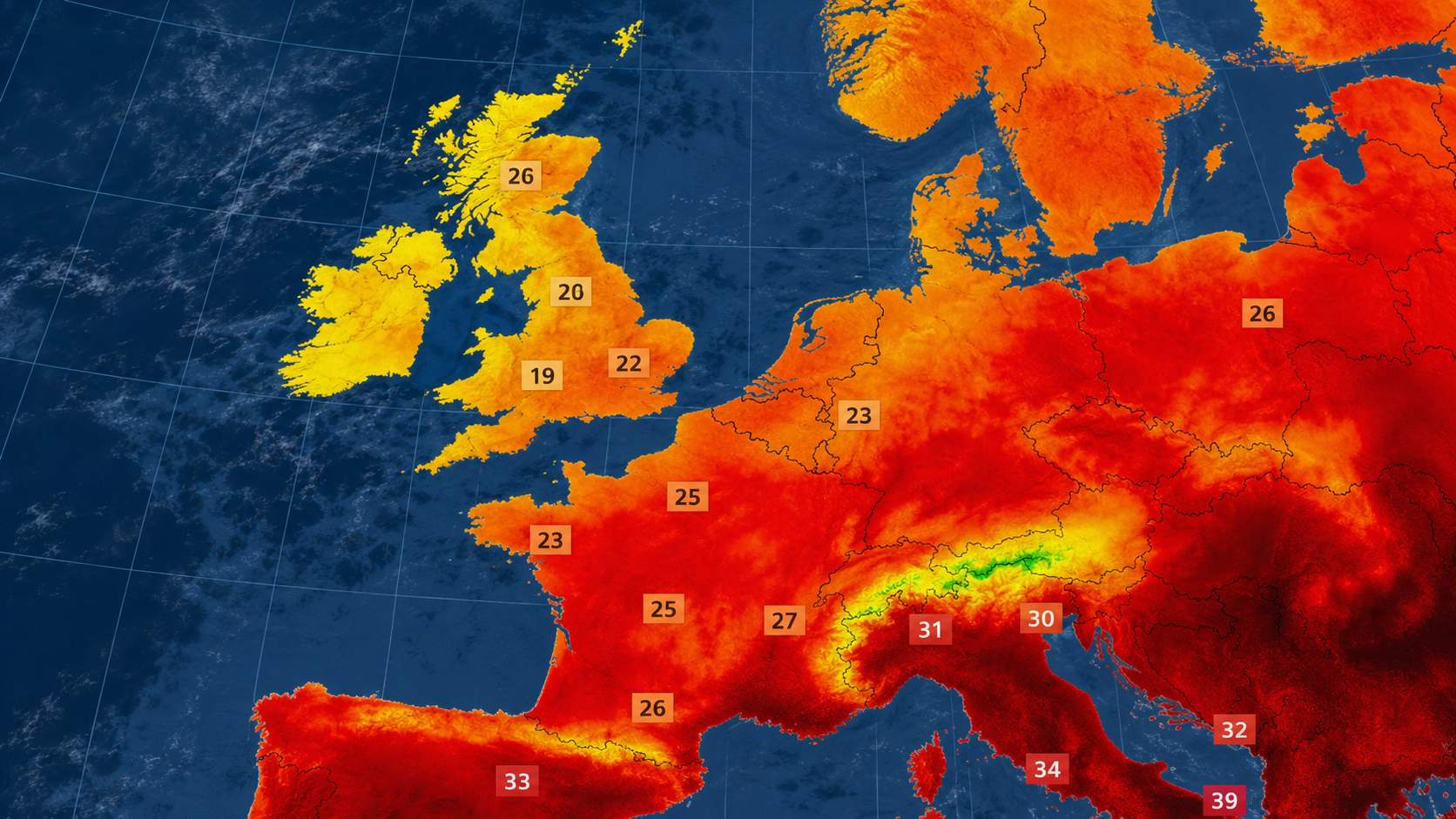
A persistent area of high pressure has dominated the UK's weather pattern for much of recent weeks. High pressure suppresses cloud development and steers Atlantic weather systems away from England, allowing long spells of sunshine and very little rainfall.
Instead of the usual procession of rain-bearing fronts arriving from the Atlantic, Newcastle and much of the North East have experienced prolonged settled weather, interrupted only occasionally by isolated showers that have often missed many communities altogether.
While temperatures have eased slightly following recent heatwaves, the overall weather pattern has remained stubbornly dry.
What Does This Mean For Everyday Life?.
The effects are becoming increasingly visible across the region.
Gardeners have found themselves watering more frequently, while many parks and open spaces have developed the familiar golden-brown appearance associated with prolonged dry spells. Farmers are also monitoring soil moisture carefully, as reduced rainfall can affect crop growth and increase irrigation demands.
Environmental experts note that extended periods without meaningful rain can also lower river levels, reduce water available for wildlife and place additional pressure on reservoirs if the pattern continues into late summer.
Despite this, water companies have continued encouraging customers to use water wisely rather than suggesting immediate restrictions in many parts of the North East.
Does Newcastle Normally Receive Much Rain?.
Despite Britain's rainy reputation, Newcastle is not among the wettest places in the UK.
The Pennines create a rain shadow effect that often leaves parts of north-eastern England noticeably drier than western regions such as Cumbria or western Scotland.
That means Newcastle regularly receives less annual rainfall than many people expect, even during a typical year. This summer's prolonged dry conditions have simply exaggerated that natural difference.
Meteorologists also point out that one heavy thunderstorm does not necessarily end a drought. Slow, steady rainfall over several days is generally much more effective at replenishing rivers, reservoirs and soils.
Is Rain Finally On The Way?.
Many people hoping for a change may still need to be patient.
The latest Met Office forecast indicates that high pressure is expected to remain close to the UK through much of the coming week, keeping conditions predominantly dry across the North East. However, forecasters say confidence increases that weather patterns could become more changeable towards the end of July, bringing a greater chance of showers, thunderstorms and potentially longer spells of rain.
As always, long-range forecasts become less certain the further ahead they look, meaning exact timing may still change.
A Summer That Will Be Remembered.
Whether you have enjoyed the sunshine or spent weeks hoping for rain, there is little doubt that 2026 has delivered one of the driest starts to summer seen across the North East in recent years.
For Newcastle residents, the coming weeks will determine whether the region receives enough rainfall to restore gardens, support agriculture and replenish local waterways before autumn arrives.
Until then, blue skies are expected to remain the dominant feature of the forecast, even if many people would now welcome the sound of steady rain outside their windows.
Share your thoughts below.
Are you looking forward to the local weather getting back to normal?
Local News
Why Is Newcastle's Rainfall Far Below Average This Year?
Advertisement




Comments (0)
You must be logged in to post comments.
Don't have an account? Register here
No comments yet. Be the first to share your thoughts!