
From the Covid-19 pandemic to conflicts in the Middle East and the ongoing disruption in the Red Sea, global trade has faced one challenge after another in recent years. While these events may seem far removed from Newcastle, the Port of Tyne has become one of the North East's most important lines of defence against international supply chain disruption.
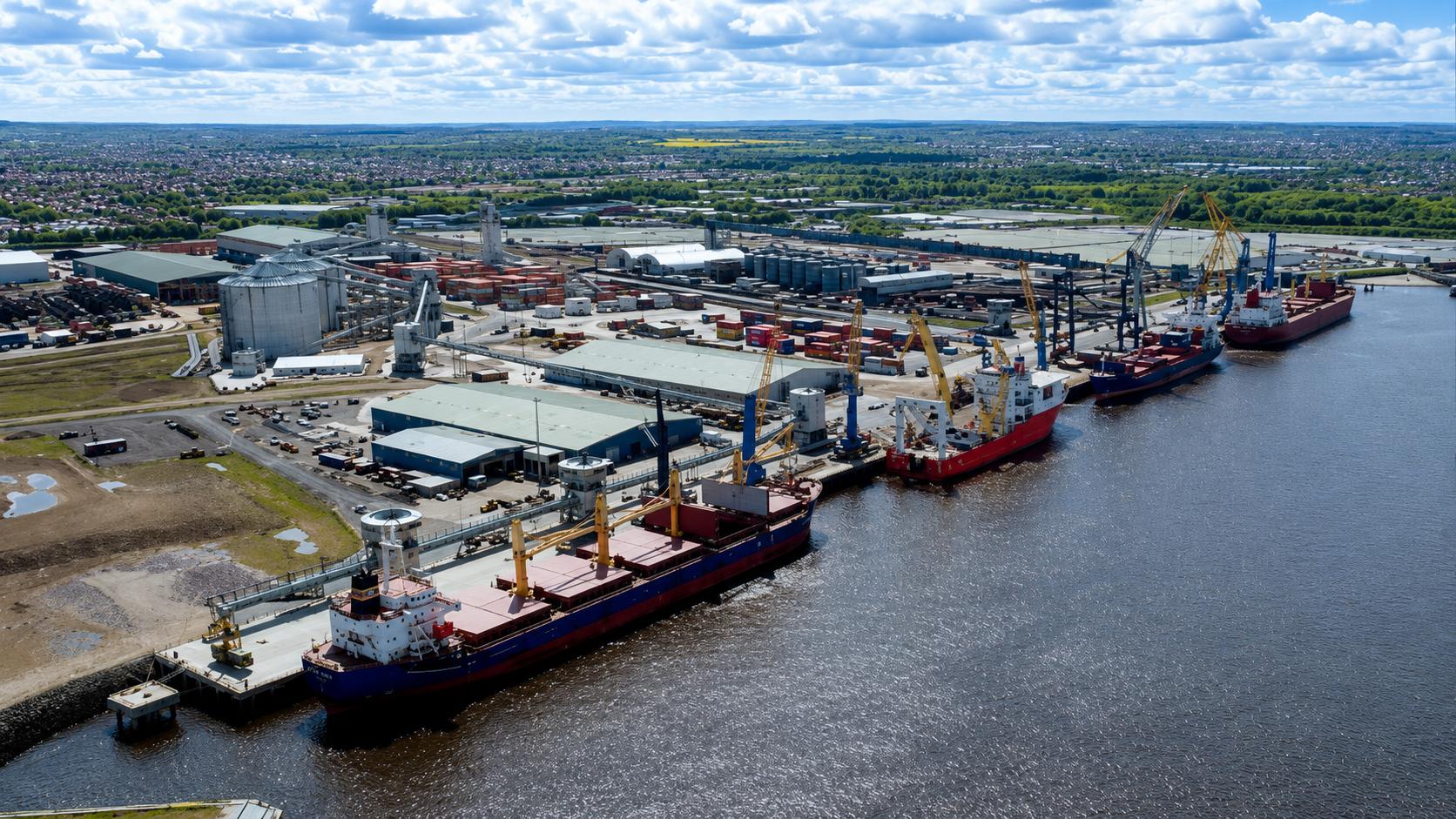
As one of the UK's leading deep-water ports, the Port of Tyne plays a crucial role in keeping goods moving across the region. Whether it is imported vehicles, offshore wind equipment, containers, bulk cargo or essential industrial supplies, the port has developed strategies to remain resilient when international shipping comes under pressure.
Its ability to adapt has become increasingly important for businesses, manufacturers and consumers across Newcastle and the wider North East.
Why the Port of Tyne matters to the North East.
The Port of Tyne is far more than a docking point for ships.
Located on the River Tyne with direct road and rail connections, the port links the North East with global markets across five continents. It supports automotive manufacturing, offshore energy, logistics, engineering and cruise tourism while acting as a key gateway for imports and exports.
For companies across Newcastle, Gateshead, Sunderland and County Durham, reliable access to international shipping is essential. Delays affecting ports anywhere in the world can quickly influence local businesses that depend on imported components or overseas customers.
Lessons learned from the pandemic.
The Covid-19 pandemic exposed weaknesses throughout the world's supply chains.
Container shortages, factory closures and congested ports caused delays that lasted months rather than days. Like many ports across the UK, the Port of Tyne had to adapt rapidly by improving operational flexibility, investing in digital technology and working closely with customers to keep cargo moving.
Its 2021 annual results showed increased revenues and stronger business volumes despite continued disruption. The port also reported growing demand for its container services and rail distribution network as businesses looked for more resilient supply chain solutions.
Those investments have helped strengthen the port's ability to respond to future global challenges.
How global conflicts affect shipping.
Conflict does not have to happen in the North Sea to affect Newcastle.
When shipping routes through areas such as the Red Sea or the Strait of Hormuz become more dangerous, vessels are often forced to take longer routes around Africa. This can add thousands of miles to a journey, increase fuel costs and delay deliveries by several weeks.
Although the Port of Tyne has no direct reliance on those routes, shipping companies operating globally still face higher insurance costs, tighter vessel availability and increased freight charges.
These additional costs can eventually reach manufacturers, retailers and consumers across the North East.
Keeping supply chains moving.
One of the Port of Tyne's biggest strengths is diversification.
Rather than depending on one industry, it handles automotive cargo, containers, bulk commodities, offshore wind equipment, forest products, cruise ships and logistics services.
That diversity helps reduce risk when one particular market experiences disruption.
The port has also invested heavily in rail freight, warehousing and port-centric logistics, allowing businesses to store goods closer to where they are needed rather than relying solely on long-distance road transport.
These improvements make it easier for customers to adapt when international shipping schedules suddenly change.
Supporting major North East employers.
The Port of Tyne forms part of the wider supply chain supporting some of the North East's largest employers.
Automotive shipments remain particularly important, with vehicle manufacturers relying on efficient import and export routes to keep production running smoothly.
Offshore wind has also become an increasingly significant part of the port's business. As renewable energy projects expand around the UK coastline, the Port of Tyne continues investing in infrastructure capable of supporting larger offshore developments.
In its latest financial results, the port announced its strongest performance in a decade, with revenue rising to £70 million, EBITDA increasing to £18.6 million and adjusted pre-tax profit growing by 48 percent during 2025. Growth was driven by automotive cargo, offshore wind projects and bulk freight operations.
The wider importance of UK ports.
The Port of Tyne is only one part of Britain's maritime network, but every port contributes to national resilience.
According to the Department for Transport, around 85 percent of the UK's international freight by weight travels by sea. In 2024, UK ports handled approximately 429.7 million tonnes of cargo, highlighting just how dependent the British economy remains on maritime trade.
Those figures explain why maintaining reliable ports is so important during periods of international uncertainty.
When one shipping route becomes disrupted, ports with strong infrastructure and flexible operations become increasingly valuable.
Investing for future disruption.
Rather than waiting for the next global crisis, the Port of Tyne has focused on long-term investment.
Its Tyne 2050 strategy places significant emphasis on digital technology, automation, clean energy and operational efficiency. These investments aim to improve resilience while supporting the region's ambitions in offshore wind, advanced manufacturing and sustainable logistics.
Modern ports increasingly rely on real-time data, automated cargo handling and integrated transport networks to respond quickly when international trade patterns suddenly shift.
The Port of Tyne has positioned itself to benefit from those changes while helping regional businesses remain competitive.
Looking to the future.
Global disruption is unlikely to disappear.
Whether the next challenge comes from geopolitical tensions, extreme weather, cyber attacks or economic uncertainty, ports will continue playing a critical role in keeping goods moving.
For Newcastle and the wider North East, the Port of Tyne represents far more than an industrial facility. It is a strategic asset that helps protect jobs, supports exporters, strengthens supply chains and keeps international trade flowing even during some of the world's most uncertain periods.
As global commerce evolves, its importance to the regional economy is only expected to grow.
Share your thoughts.
Do you think enough attention is given to the Port of Tyne's role in protecting the North East economy?
Local News
Why the Port of Tyne Matters More Than Ever Locally
Advertisement





Comments (0)
You must be logged in to post comments.
Don't have an account? Register here
No comments yet. Be the first to share your thoughts!