
Britain's gardens are becoming increasingly important for wildlife, and nowhere is that more evident than across Newcastle and the wider North East. From compact city gardens and allotments to larger rural spaces stretching across Northumberland and County Durham, thousands of residents are discovering that planting native flowers can make a real difference to struggling pollinator populations.
Experts say even a small patch of nectar-rich plants can provide food and shelter for bees, butterflies, hoverflies and other insects that play a vital role in the environment. As more people embrace wildlife-friendly gardening, choosing the right native species has never been more important.
Why pollinators matter more than ever.
Pollinators are responsible for helping many flowering plants reproduce, including crops that people rely on every day. Without bees, butterflies and other insects transferring pollen between flowers, many fruits, vegetables and wild plants would struggle to survive.
According to the Royal Horticultural Society, pollinator populations have declined because of habitat loss, changes in farming practices, pesticides and climate pressures. Conservation groups also estimate that the UK has lost around 97 percent of its wildflower meadows since the 1930s, removing one of the country's richest habitats for insects.
For Newcastle residents, that makes gardens, parks and community green spaces increasingly valuable as places where wildlife can thrive.
The best native plants for North East gardens.
Foxglove.
One of Britain's best-loved wildflowers, foxgloves produce tall spikes of purple, pink and white flowers that are particularly attractive to bumblebees. Flowering from late spring into summer, they grow well in many North East gardens and woodland edges.
A single mature foxglove can provide hundreds of nectar-rich flowers over its flowering season, making it one of the region's most valuable plants for pollinating insects.
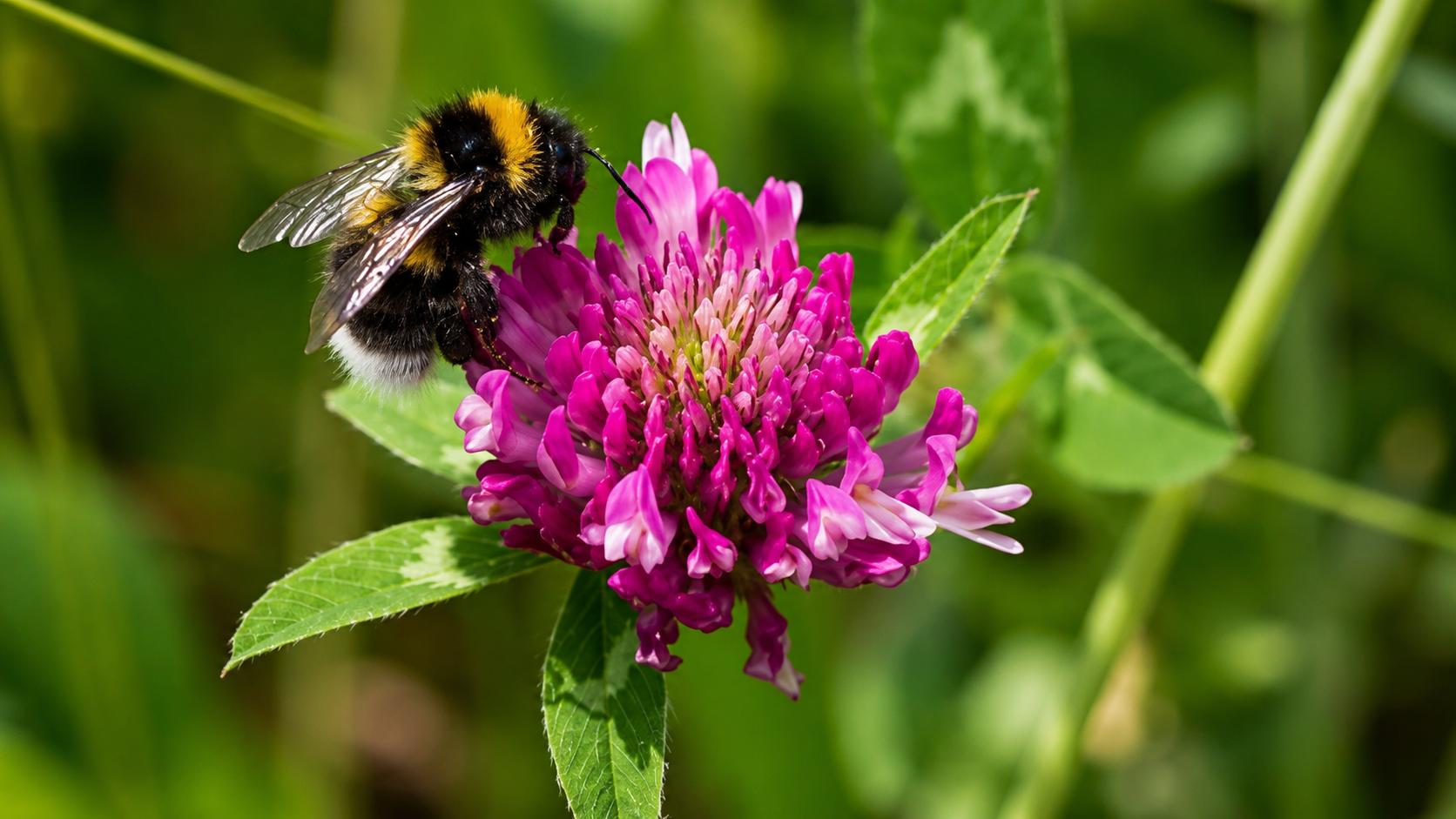
Red clover.
Often seen in meadows and roadside verges throughout Northumberland and County Durham, red clover is packed with nectar that attracts long-tongued bumblebees.
As well as supporting insects, it naturally improves soil quality by fixing nitrogen, making it a favourite among wildlife gardeners looking for sustainable planting options.
Oxeye daisy.
These cheerful white flowers are a familiar sight across the North East countryside and provide an important food source for bees, hoverflies and butterflies throughout the summer.
They are easy to grow, tolerate a range of soil conditions and work particularly well in wildflower borders or meadow-style planting.
Birds-foot trefoil.
Despite its unusual name, birds-foot trefoil is one of Britain's most valuable native wildflowers. It supports dozens of insect species and serves as a food plant for several butterflies, including the common blue.
Its bright yellow flowers add colour to gardens while helping to increase local biodiversity.
Common knapweed.
Flowering later in the summer when many other plants have finished blooming, common knapweed provides an essential late-season food source for bees and butterflies preparing for autumn.
Its distinctive purple flowers also attract hoverflies, which help control garden pests naturally.
Newcastle gardens can become wildlife havens.
Urban gardens often receive less attention than nature reserves, but conservationists say they now play a vital role in supporting wildlife.
Research from the Royal Horticultural Society shows that planting a wide variety of flowering plants across different seasons creates the greatest benefit for pollinators. Experts also recommend avoiding pesticides, allowing parts of lawns to flower naturally and providing shallow water sources for insects during warmer weather.
Across Newcastle, initiatives promoting wildflower planting in parks, roadside verges and community spaces are helping create connected habitats where pollinators can move more easily between feeding areas.
The numbers behind Britain's pollinator challenge.
Several recent studies underline why gardeners are being encouraged to take action.
Around one in ten wild bee species across Europe is now threatened with extinction, while three British bumblebee species have already disappeared in recent decades.
More than 250 species of bee are found across the UK, each playing an important role in pollinating both crops and native plants.
The UK Pollinator Monitoring Scheme continues to track changes in bee and hoverfly populations, helping scientists understand how conservation efforts are affecting wildlife across Great Britain.
Scientists have also found that flower-rich meadows can support as many as 50 different plant species within a single square metre, demonstrating just how biodiverse these habitats can become when properly managed.
Small changes can have a big impact.
Creating a pollinator-friendly garden does not require acres of land. A few carefully chosen native plants, a reduction in pesticide use and allowing some areas to grow naturally can provide valuable food and shelter throughout the year.
For homeowners across Newcastle and the North East, these simple changes not only brighten outdoor spaces but also contribute to wider efforts to protect local wildlife. Every flowering border, window box and community garden helps build a stronger network of habitats for insects that are increasingly under pressure.
As more residents embrace wildlife gardening, the region has an opportunity to become one of the UK's leading examples of how urban communities can support nature while creating greener, healthier neighbourhoods for future generations.
Share your thoughts.
Which native plants are thriving in your Newcastle or North East garden?
Lifestyle News
Best Native Plants for Bees in the North East
Advertisement





Comments (0)
You must be logged in to post comments.
Don't have an account? Register here
No comments yet. Be the first to share your thoughts!