
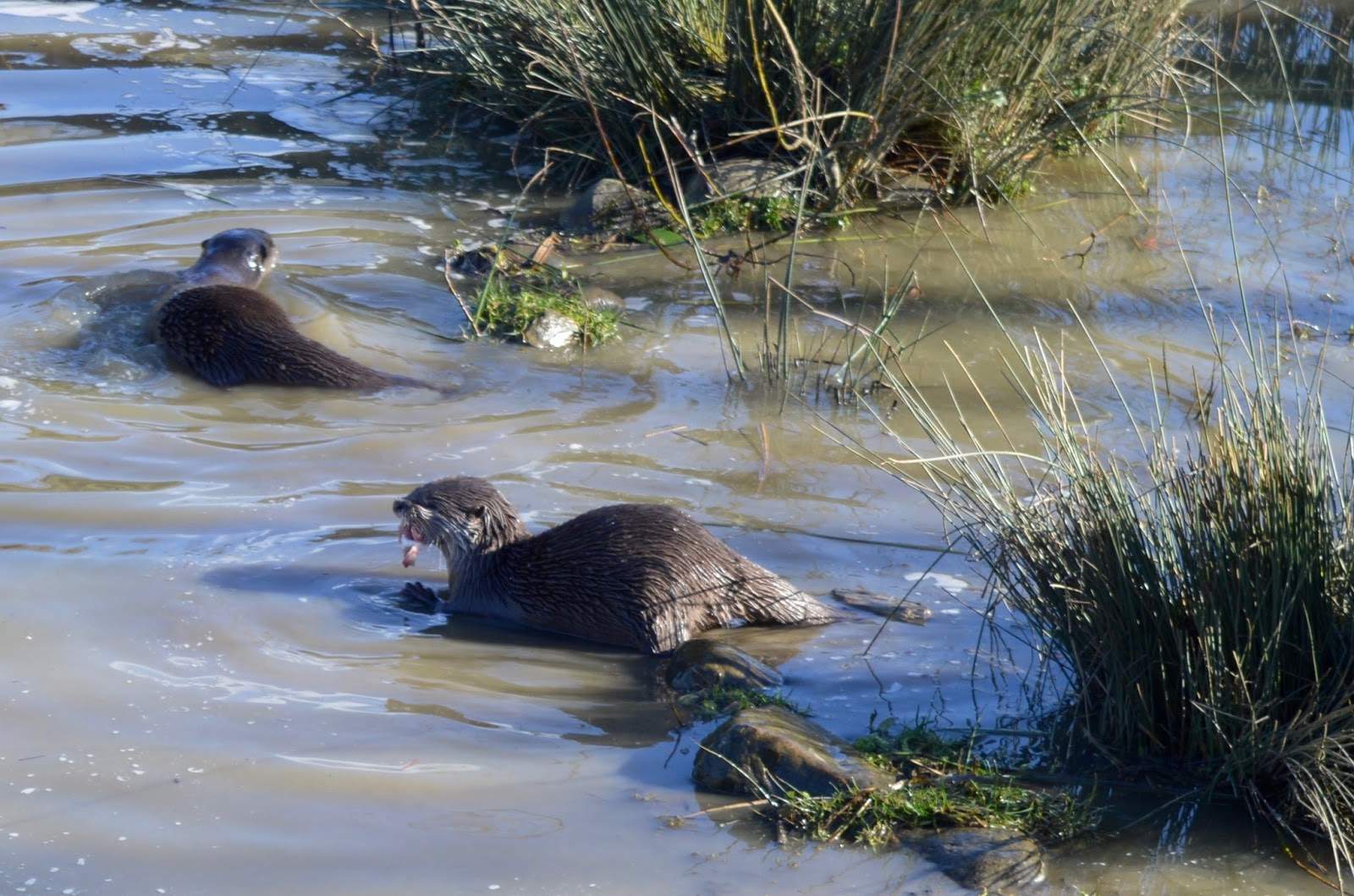
For decades, the story of British wildlife was often one of decline. Habitat loss, pollution, intensive farming and urban development placed increasing pressure on many native species, leaving conservationists warning that some animals could disappear from large parts of the country altogether.
Today, there are signs that the picture is beginning to change. Across Northumberland, Newcastle and the wider North East, conservation projects, habitat restoration and greater public awareness are helping wildlife recover in areas where nature had previously struggled.
While many challenges remain, experts say the region is becoming an increasingly important example of how people, businesses and local communities can work together to protect biodiversity for future generations.
Northumberland remains one of England's strongest wildlife regions.
Few parts of England enjoy the natural diversity found across Northumberland. From the rugged coastline and Farne Islands to ancient woodlands, peat moorland and rolling farmland, the county supports thousands of plant and animal species.
These landscapes are also closely connected to Newcastle, with many residents travelling into the countryside to enjoy nature reserves, country parks and coastal habitats throughout the year.
The recently adopted North of Tyne Local Nature Recovery Strategy sets out a long-term vision to improve habitats across Newcastle, North Tyneside and Northumberland by creating larger, better-connected areas where wildlife can flourish.
Conservation groups believe linking habitats together will allow species to move more freely, adapt to climate change and establish healthier breeding populations.
Red squirrels remain one of the region's biggest success stories.
Perhaps no animal captures the imagination quite like the native red squirrel.
While much of England has lost its red squirrel population, Northumberland continues to provide one of the country's strongest remaining refuges.
Natural England's new Red Squirrel Recovery Strategy warns that without continued action, red squirrels could disappear from mainland England within 25 years. However, northern England, including Northumberland, remains central to national recovery efforts through habitat management, grey squirrel control and future conservation initiatives.
Many visitors to Kielder Forest, Northumberland National Park and several woodland sites around the region still enjoy the rare opportunity to spot one of Britain's most iconic mammals in the wild.
Marine wildlife is also making a comeback.
Recovery is not limited to forests and farmland.
Along the Northumberland coast, conservationists have reported encouraging signs that marine ecosystems are becoming healthier.
The Farne Islands continue to attract internationally important populations of puffins, grey seals and seabirds, while sightings of dolphins, whales and even killer whales have become increasingly common in recent years.
Researchers involved with the North East Cetacean Project recorded a noticeable increase in orca sightings during 2025 and 2026, with experts suggesting improving water quality and healthier fish populations may be encouraging more marine predators to visit Northumberland's coastline.
For many visitors, wildlife tourism has become just as important as the region's historic castles and beaches.
Communities are playing a bigger role.
One of the biggest changes has been the growing involvement of local residents.
Thousands of volunteers now help monitor wildlife through organised surveys, citizen science projects and conservation charities.
The Environmental Records Information Centre North East, based at Newcastle's Great North Museum: Hancock, now holds more than one million wildlife records, with red squirrels accounting for more than 25,000 recorded sightings. These records help scientists monitor species distribution and identify where conservation work is having the greatest impact.
Modern technology has also transformed wildlife recording, allowing members of the public to submit sightings using mobile apps and online databases.
Wildlife recovery benefits more than nature.
Protecting wildlife is not simply about saving individual species.
Healthy ecosystems improve water quality, reduce flooding, support pollinating insects and help store carbon in woodlands, peatlands and wetlands.
Natural habitats also provide important economic benefits.
Nature-based tourism contributes millions of pounds to local economies each year through accommodation, restaurants, visitor attractions and outdoor recreation. Northumberland National Park alone welcomes around 1.8 million visitors annually, supporting hundreds of local businesses and jobs across the county.
For Newcastle, having easy access to thriving countryside and coastline also enhances quality of life, encouraging walking, cycling and outdoor activities that benefit physical and mental wellbeing.
Challenges remain.
Despite encouraging progress, conservationists stress that wildlife recovery is far from complete.
The latest State of Nature data continues to show that many British species remain under pressure from habitat fragmentation, pollution, invasive species and climate change.
Development pressures, changing land use and increasingly unpredictable weather continue to affect many habitats across northern England.
Species recovery therefore depends on long-term investment rather than short-term projects.
Many organisations are now working alongside farmers, landowners, councils and businesses to ensure economic growth can be balanced with protecting biodiversity.
A landscape that continues to evolve.
Across the North East, there is growing optimism that wildlife recovery is beginning to gain momentum.
From red squirrels returning to healthy woodland habitats and seals thriving along the Northumberland coast, to improved river restoration projects and expanding nature reserves, there is increasing evidence that sustained conservation efforts can deliver real results.
For Newcastle residents, these successes are not happening somewhere far away. They are taking place on the city's doorstep, providing opportunities for more people to experience nature while helping secure healthier landscapes for future generations.
As more restoration projects are completed over the coming years, the North East could become one of England's leading examples of how wildlife and communities can thrive together when nature is given the space and support it needs.
Share your experiences.
Have you spotted more wildlife around Newcastle or Northumberland recently?
Local News
British Wildlife Is Making a Comeback in the North East
Advertisement




Comments (0)
You must be logged in to post comments.
Don't have an account? Register here
No comments yet. Be the first to share your thoughts!