
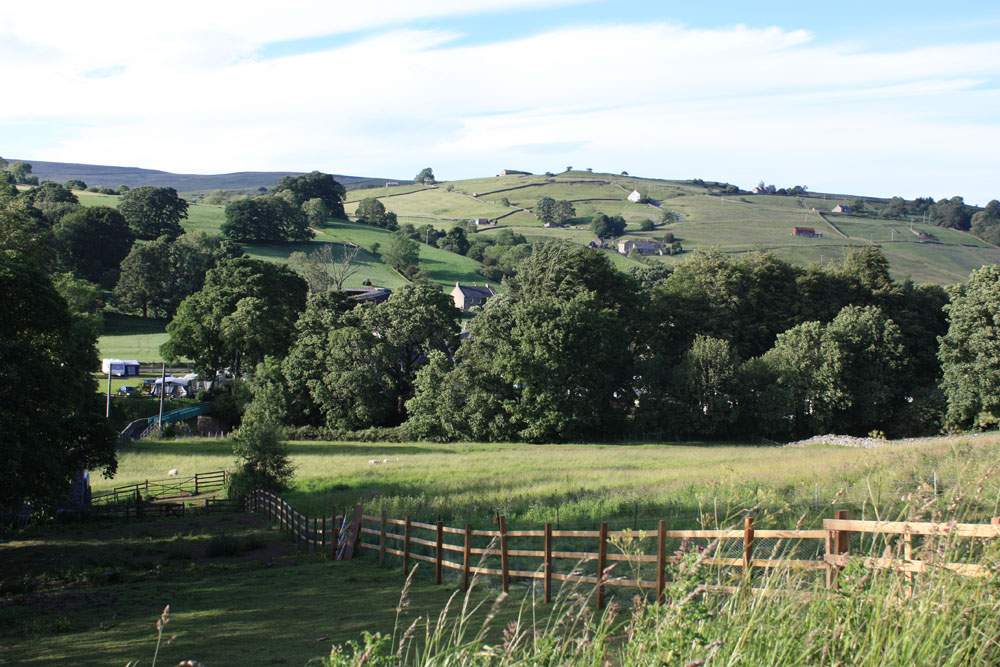
For generations, Northumberland's farmers have worked with the weather rather than against it. The seasons have always influenced planting, harvesting and livestock management, but many in the industry now believe the weather has become far less predictable than it was even a decade ago.
Periods of prolonged rainfall are being followed by unusually dry conditions, while warmer winters and hotter summers are creating fresh challenges for crops and livestock alike. Across the North East, farmers are adapting to a changing climate that is increasingly affecting both productivity and profitability.
The effects are also being felt beyond the farm gate. Newcastle's supermarkets, restaurants, food manufacturers and independent retailers all depend on a reliable supply of produce from Northumberland and neighbouring counties. As climate pressures increase, the resilience of local agriculture is becoming more important than ever.
A county built on farming.
Agriculture has long been one of Northumberland's defining industries. The county is home to thousands of hectares of farmland producing cereals, potatoes, vegetables, beef, lamb and dairy products that help feed communities across the North East.
Its close links with Newcastle make the relationship particularly important. Local produce travels relatively short distances before reaching wholesalers, markets, restaurants and supermarket shelves, helping support regional businesses while reducing transport costs.
Many consumers have become increasingly interested in buying food grown closer to home, particularly after recent years exposed weaknesses in global supply chains.
Climate change is bringing new challenges.
The biggest issue facing many farmers is no longer simply how much rain falls during the year, but when it falls.
Heavy rainfall arriving during planting or harvest can leave machinery unable to enter fields, delaying work by days or even weeks. Conversely, prolonged dry spells during spring and summer can reduce crop growth and increase the need for irrigation.
Northumberland County Council's 2025 "Farming in a Changing Climate" report found that local farmers are already experiencing more variable weather patterns and are investing in measures to improve resilience, including better soil management, water storage and more sustainable farming practices.
Climate experts also warn that warmer average temperatures are increasing the likelihood of both intense rainfall events and longer periods of dry weather across northern England.
The statistics behind the changing climate.
The numbers help explain why farmers are becoming increasingly concerned.
Recent Met Office climate averages for Northumberland show annual rainfall of around 745mm, but rainfall is becoming less evenly distributed throughout the year, with wetter autumns and increasingly variable springs and summers.
National research published in 2025 also found that more than 80 percent of UK farmers worry climate change is threatening their livelihoods. Around 87 percent reported lower productivity, while 84 percent said crop yields had fallen because of extreme weather over recent years.
During spring 2025, England experienced its driest conditions for more than a century in some regions, with rainfall around 40 percent below average. Reservoir levels across the North East also fell below normal, increasing concerns about future water availability for agriculture.
These figures illustrate why climate resilience is becoming one of the farming industry's highest priorities.
What it means for Newcastle.
Although Newcastle itself is a major urban centre, its economy remains closely linked with the surrounding countryside.
Restaurants promoting seasonal menus, independent butchers, farm shops, food producers and hospitality businesses all rely on Northumberland farms to supply fresh ingredients throughout the year.
If extreme weather reduces harvests or livestock production, businesses often face higher wholesale prices and reduced availability of local produce. Those increases can eventually filter through to consumers.
At the same time, maintaining strong regional agriculture helps improve food security by reducing dependence on imported products that may also be affected by climate-related disruption elsewhere in the world.
Farmers are adapting.
Despite the challenges, many farmers across Northumberland are already investing in new technology and different working practices.
Precision farming equipment is helping businesses use fertiliser and water more efficiently, while improved soil management techniques are increasing the land's ability to retain moisture during dry periods and drain more effectively during heavy rainfall.
Some farms are planting additional hedgerows and trees to reduce soil erosion, provide shelter for livestock and encourage biodiversity. Others are expanding water storage capacity to improve resilience during drought conditions.
These changes require significant investment, but many believe they will become increasingly important as weather patterns continue evolving.
Food security is becoming part of the climate conversation.
Climate change is no longer viewed purely as an environmental issue. It is increasingly becoming an economic and food security issue as well.
Government figures show the UK's agri-food sector contributes more than £153 billion to the national economy while supporting approximately 4.1 million jobs, demonstrating how closely farming is connected to the wider economy.
For Newcastle and the wider North East, protecting local agriculture means supporting rural employment, safeguarding food supplies and helping businesses remain competitive despite increasingly unpredictable conditions.
As climate scientists continue forecasting warmer temperatures and more frequent extreme weather events, investment in resilient farming practices is likely to become one of the defining challenges for British agriculture over the coming decades.
The choices made today by farmers, businesses and policymakers could determine how successfully Northumberland continues supplying high-quality food to communities across the North East for generations to come.
Share your views below.
How do you think climate change is affecting farming across Northumberland and Newcastle?
Local News
How Climate Change Is Slowly Decimating Northumberland Farms
Advertisement




Comments (0)
You must be logged in to post comments.
Don't have an account? Register here
No comments yet. Be the first to share your thoughts!