
For years, traditional British recipes appeared to be fading from everyday kitchens as takeaways, ready meals and international cuisine dominated dining tables. Yet across Newcastle and the wider North East, a surprising culinary revival is taking shape. Families are dusting off handwritten recipe books, younger cooks are learning forgotten skills, and local food producers are celebrating dishes that have been part of regional identity for generations.
From stottie cakes and pease pudding to pan haggerty and Northumberland broth, many of the North East's most iconic foods are finding a new audience. What was once considered old-fashioned is now being embraced as authentic, affordable and deeply connected to local heritage.
Why Traditional Recipes Are Making A Comeback.
The renewed interest in traditional British cooking is being driven by several factors. Rising food costs have encouraged many households to seek budget-friendly meals that rely on simple ingredients. At the same time, growing awareness around ultra-processed foods has led consumers to cook more meals from scratch.
Food experts have also noted a wider trend towards comfort foods and nostalgic eating. During uncertain economic periods, familiar dishes often provide a sense of reassurance and connection to family traditions.
Research has shown that almost half of Britons struggle to cook classic British dishes such as roast dinners, fish and chips and shepherd's pie, highlighting concerns that traditional culinary knowledge could be lost if it is not passed to younger generations.
At the same time, initiatives promoting home cooking have reported improvements in confidence, enjoyment and cooking skills among participants, suggesting there is strong demand for learning traditional techniques.
Newcastle's Food Heritage Is Back In The Spotlight.
Newcastle has long been home to some of Britain's most distinctive regional dishes. Many of these foods were created to sustain workers in industries such as shipbuilding, mining and farming, where hearty and affordable meals were essential.
Today, those same dishes are becoming symbols of regional pride.
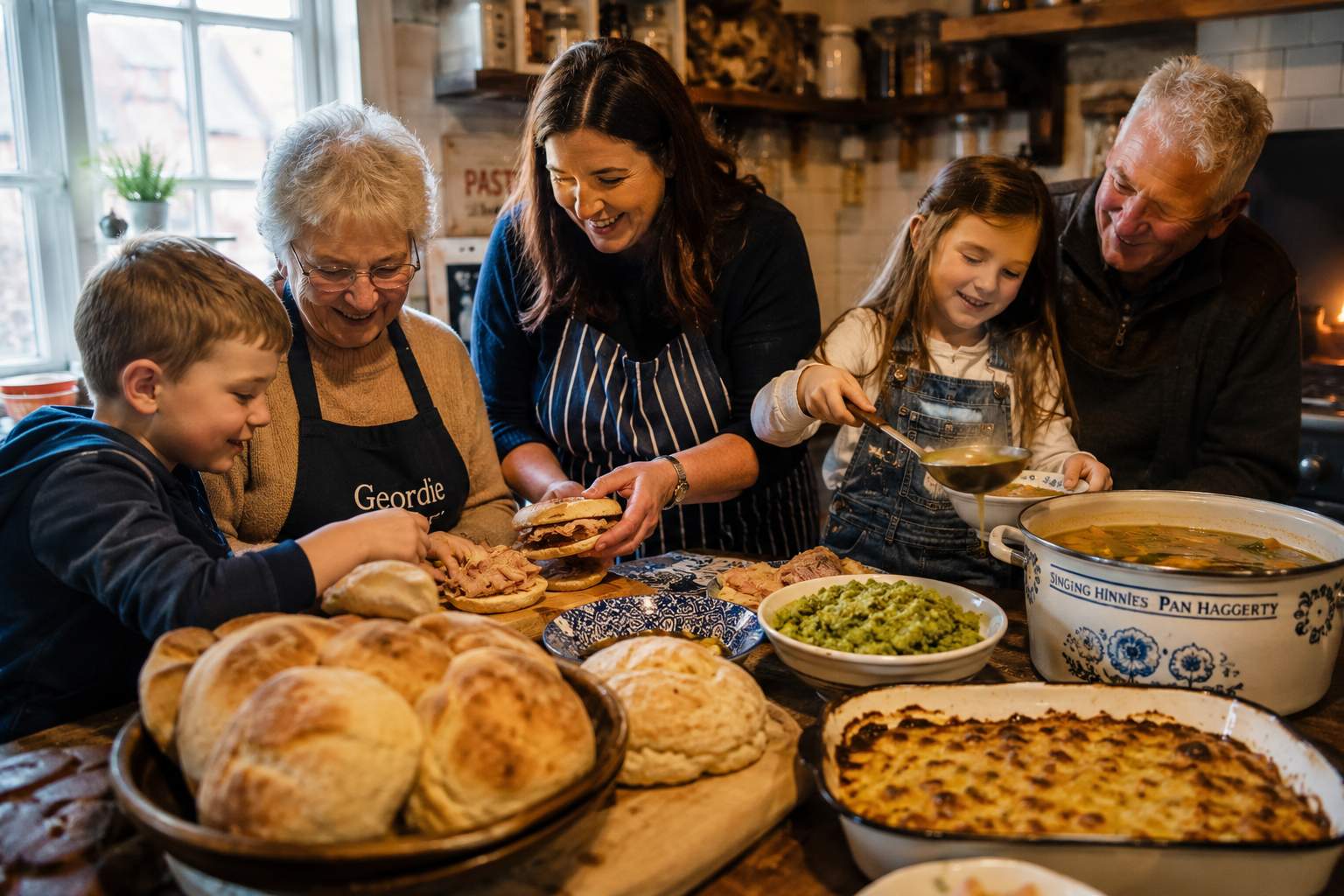
The stottie cake remains one of the city's most recognisable foods. This dense, round bread has been a staple of North East households for generations and is traditionally filled with ham and pease pudding. Food historians note that the stottie is deeply woven into Newcastle's cultural identity and remains one of the region's best-known culinary exports.
Pease pudding, another North East favourite, is also experiencing a revival. Once viewed as a humble working-class food, it has recently appeared on menus at restaurants across Britain as chefs look to reinvent traditional comfort foods for modern diners.
The Traditional Dishes Winning Over A New Generation.
While older residents may have grown up eating traditional recipes every week, many younger people are discovering them for the first time.
Popular North East dishes seeing renewed interest include:
Stottie cakes with ham and pease pudding.
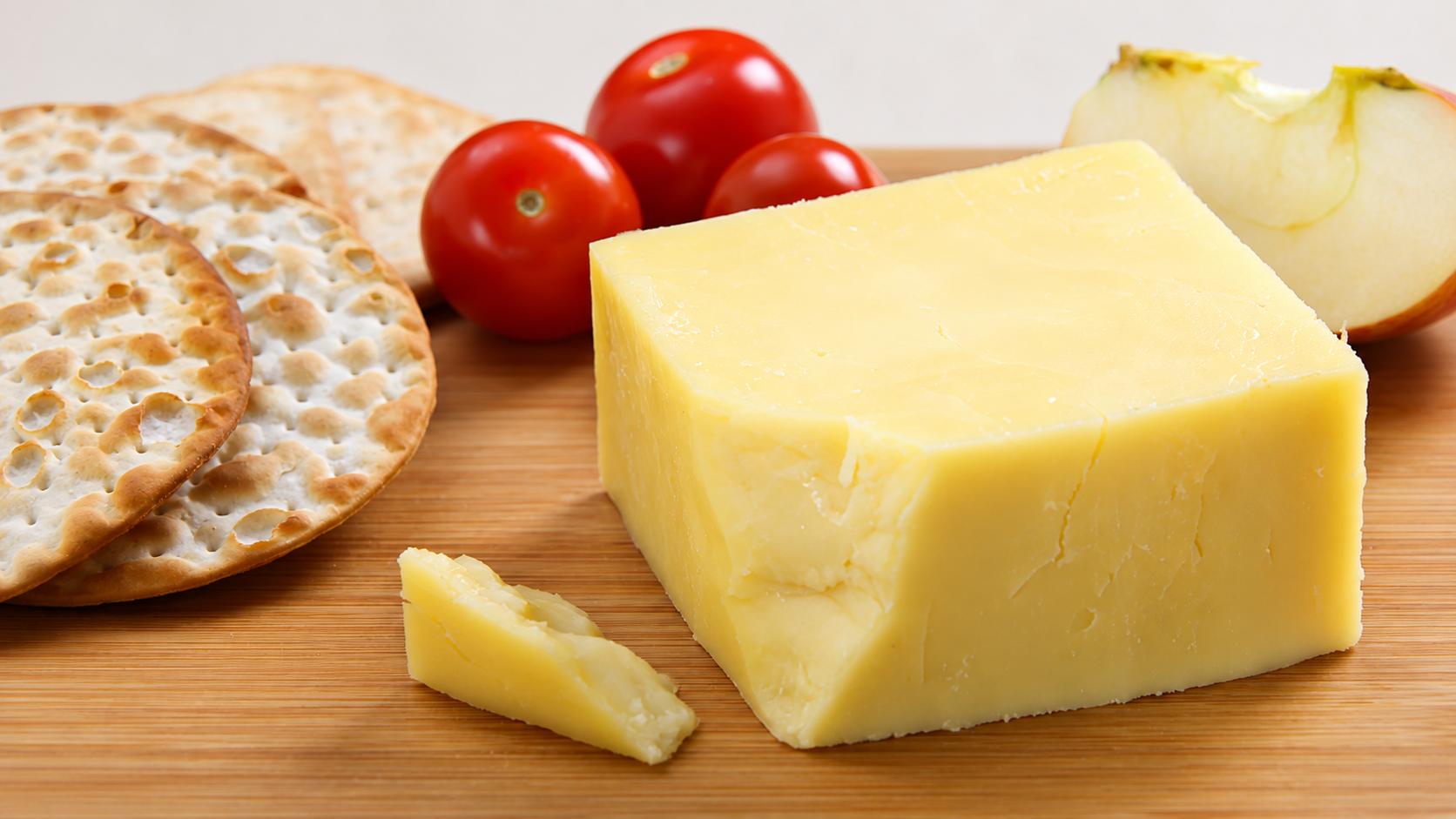
Pan haggerty, made from potatoes, onions and cheese.
Northumberland broth.
Singing hinnies.
Panackelty.
Leek pudding.
Corned beef pie.
These meals were originally designed to be filling, economical and easy to prepare, qualities that continue to resonate with modern households looking for practical meal solutions.
Social media has also played an unexpected role in introducing traditional recipes to younger audiences. Recipe videos, food influencers and heritage cooking accounts have helped bring regional British cuisine to platforms where younger generations increasingly discover cooking inspiration.
The Statistics Behind Britain's Love Of Comfort Food.
Several recent studies suggest traditional cooking remains important to many households, even as eating habits evolve.
A survey of 3,000 Britons found that less than 40% now cook from scratch up to five days per week, down from more than 50% just two years earlier. The findings have sparked concerns about declining cooking skills and increasing dependence on convenience foods.
Another study found that 46% of respondents believed the growing popularity of takeaways and convenience meals was one of the main reasons traditional British dishes were becoming less common.
At the same time, consumer research shows growing demand for simple, nutritious and budget-friendly recipes, characteristics that align closely with many traditional British meals.
Interestingly, a recent poll revealed that 74% of Britons regularly eat many of the same meals each week, suggesting familiar comfort foods continue to play an important role in everyday life.
Local Producers And Independent Businesses Are Benefiting.
The resurgence of traditional recipes is also creating opportunities for local businesses throughout Newcastle and the North East.
Independent bakeries continue to produce authentic stotties, while local butchers and farm shops are promoting ingredients commonly used in regional recipes. Food festivals increasingly feature heritage cooking demonstrations, allowing visitors to experience dishes that reflect the area's history.
Restaurants are likewise responding to demand for authentic regional cuisine. Rather than focusing solely on international menus, many establishments are reintroducing locally inspired dishes that celebrate North East ingredients and traditions.
This trend mirrors a broader national movement towards regional food identity. Across Britain, consumers are showing greater interest in understanding where their food comes from and the stories behind traditional recipes.
Why Traditional British Food Appeals To Modern Families.
One reason traditional recipes continue to resonate is their simplicity.
Many classic North East dishes require only a handful of ingredients and can feed an entire family at relatively low cost. During periods of economic uncertainty, that practicality becomes especially attractive.
Traditional recipes also encourage shared cooking experiences. Grandparents pass techniques to grandchildren, parents recreate meals from childhood, and families gather around dishes that have been enjoyed for generations.
Beyond affordability, there is a growing appreciation for food heritage. People increasingly want meals that feel authentic and rooted in local culture rather than mass-produced alternatives.
In Newcastle, that connection is particularly strong. The city's food history reflects its industrial past, community spirit and working-class traditions. Every stottie, bowl of broth or serving of pease pudding carries a story that stretches back through generations.
Preserving The North East's Culinary Identity.
Food historians and heritage groups believe preserving traditional recipes is about far more than what appears on the dinner plate.
Recipes act as cultural records, documenting how communities lived, worked and adapted over time. Many North East dishes emerged because local families needed affordable ways to feed large households during challenging economic conditions.
As Newcastle continues to evolve, these recipes offer an important link between past and present.
The growing popularity of heritage cooking suggests people are increasingly recognising the value of preserving local traditions. Whether through family cookbooks, community events or restaurant menus, traditional British recipes are once again becoming part of everyday life.
Far from disappearing, the region's culinary heritage appears to be entering a new chapter, one where old favourites are being rediscovered by a new generation of food lovers.
Join the conversation.
Have you noticed more traditional British recipes appearing on your family table recently?
Food & Drink News
From Pan Haggerty To Stotties - Britain's Heritage Food Revival
Advertisement


Comments (0)
You must be logged in to post comments.
Don't have an account? Register here
No comments yet. Be the first to share your thoughts!