
Most people expect sweets, chocolate and fizzy drinks to contain plenty of sugar. What often comes as a surprise is just how many everyday foods contain hidden sugars, including products many shoppers consider to be healthy.
From breakfast cereals and pasta sauces to flavoured yoghurts and supermarket sandwiches, added sugar has quietly become part of the modern British diet. While sugar itself is not the enemy, health experts say many people are consuming far more "free sugars" than recommended without even realising it.
For households across Newcastle and the North East, where obesity, type 2 diabetes and heart disease continue to place pressure on local NHS services, understanding where hidden sugars are found could be one of the easiest ways to improve long-term health.
What are hidden sugars?
Hidden sugars are sugars added during the manufacturing process rather than those naturally found in foods like fruit, vegetables and milk.
According to the NHS, free sugars include those added to foods and drinks, as well as sugars naturally present in honey, syrups, fruit juices and smoothies. These are the sugars people should aim to reduce.
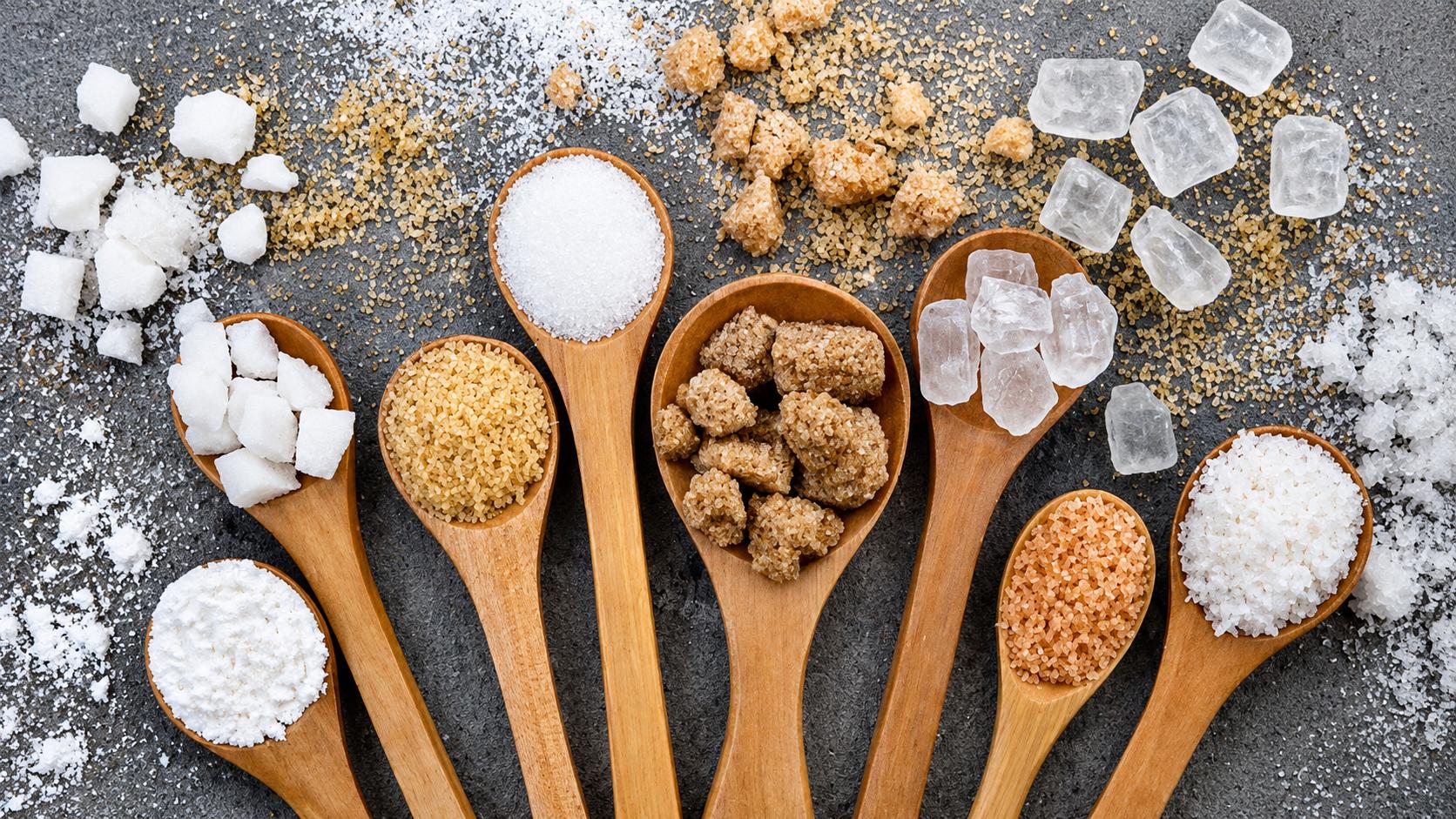
The challenge is that they often appear under different names on ingredient labels, including sucrose, glucose, fructose, dextrose, maltose, corn syrup, molasses and fruit juice concentrate. That means many shoppers may not immediately recognise how much added sugar a product contains.
The surprising foods that contain added sugar.
Many foods marketed as savoury or healthy can contain significant amounts of added sugar.
Popular examples include pasta sauces, baked beans, reduced-fat salad dressings, flavoured yoghurts, breakfast cereals, cereal bars, soups, ready meals and even sliced bread.
Some supermarket pasta sauces can contain several teaspoons of sugar per serving, while flavoured yoghurts may contain as much sugar as a dessert. Breakfast cereals aimed at children are another common source, despite often displaying wholegrain or vitamin claims on the front of the packet.
Nutritionists say the best approach is not to avoid these foods completely but to compare labels and choose lower-sugar alternatives where possible.
Why too much sugar matters.
Eating too much free sugar increases calorie intake and can contribute to weight gain over time. It is also one of the leading causes of tooth decay and is linked with a higher risk of obesity and type 2 diabetes.
The NHS recommends that adults should consume no more than 30 grams of free sugars per day, which is roughly equivalent to seven sugar cubes. Children should consume considerably less depending on their age.
One can of regular cola can contain around nine sugar cubes, exceeding the recommended daily limit for an adult in a single drink.
Why this matters in the North East.
The North East continues to experience some of England's highest rates of obesity and long-term health conditions linked to diet. Public health campaigns across Newcastle and neighbouring areas have increasingly focused on helping families make healthier food choices through better nutrition education and clearer food labelling.
Newcastle University also has an international reputation for nutrition and ageing research, with scientists studying how diet affects long-term health throughout life. While much of this research looks at overall dietary patterns rather than sugar alone, it reinforces the importance of making informed food choices every day.
Health experts say reducing hidden sugars does not require eliminating favourite foods. Small improvements made consistently can have a meaningful impact over time.
The statistics everyone should know.
The figures help explain why reducing hidden sugars remains a public health priority.
The NHS recommends that free sugars should make up no more than 5 percent of daily energy intake, equivalent to no more than 30 grams a day for adults.
Foods containing more than 22.5 grams of sugar per 100 grams are classified as high in sugar, while foods containing 5 grams or less per 100 grams are considered low in sugar. These thresholds make comparing products much easier when shopping.
According to NHS guidance, children are consuming more than twice the recommended amount of sugar, with around half coming from sugary snacks and drinks.
Recent reporting also suggests that many UK adults consume close to double the recommended daily amount of free sugars, largely because sugar is hidden in processed foods rather than obvious treats.
How to spot hidden sugar while shopping.
One of the easiest habits to develop is reading both the nutrition panel and the ingredients list.
Look for the "of which sugars" figure when comparing similar products. Choosing options with lower sugar content can significantly reduce overall intake without changing your weekly shop.
The traffic light system on food packaging is another useful guide. Green indicates a low sugar content, amber is medium and red means the product is high in sugar.
If sugar or one of its alternative names appears near the top of the ingredients list, it usually means it makes up a large proportion of the product. Comparing two similar items often reveals surprisingly large differences.
Small swaps that make a big difference.
Reducing hidden sugar does not have to mean giving up the foods you enjoy.
Choosing plain yoghurt instead of flavoured varieties, switching to lower-sugar breakfast cereals, buying sauces with no added sugar and drinking water instead of sugary soft drinks are all simple changes recommended by the NHS.
Preparing more meals at home also gives people greater control over how much sugar is added to recipes, while fresh fruit offers natural sweetness without the added free sugars found in many processed snacks.
Over time, taste buds adapt, making lower-sugar foods more enjoyable than many people expect.
Better choices begin with better awareness.
Hidden sugars are not always easy to spot, but they are much easier to avoid once shoppers know what to look for.
For families across Newcastle and the wider North East, taking a few extra seconds to compare food labels could help reduce sugar intake without making shopping more complicated.
Health experts continue to emphasise that a balanced diet is about progress rather than perfection. By understanding where hidden sugars are found and making small, practical swaps, shoppers can build healthier habits that benefit both themselves and future generations.
Share your experience.
Have you ever been surprised by how much sugar was hidden in an everyday food?
Food & Drink News
The Foods You Never Knew Contained Sugar
Advertisement


Comments (0)
You must be logged in to post comments.
Don't have an account? Register here
No comments yet. Be the first to share your thoughts!