
Standing in a supermarket aisle can often feel overwhelming. Bright packaging, bold health claims and special offers all compete for attention, making it difficult to know which products are genuinely good for you. Yet one of the most valuable tools for making healthier choices is often overlooked - the food label.
Whether you are shopping in Newcastle city centre, picking up essentials in Gateshead or browsing your local supermarket anywhere across the North East, understanding how to read food labels can help you reduce sugar, salt and saturated fat without completely changing the foods you enjoy.
Health experts say that while no single label can guarantee a healthy diet, learning what nutritional information really means can help families make informed decisions that support better long-term health.
Why food labels matter.
Every pre-packed food sold in the UK must display nutritional information, giving shoppers details about calories, fat, saturated fat, carbohydrates, sugars, protein and salt. This information allows consumers to compare similar products quickly rather than relying on marketing messages on the front of the pack.
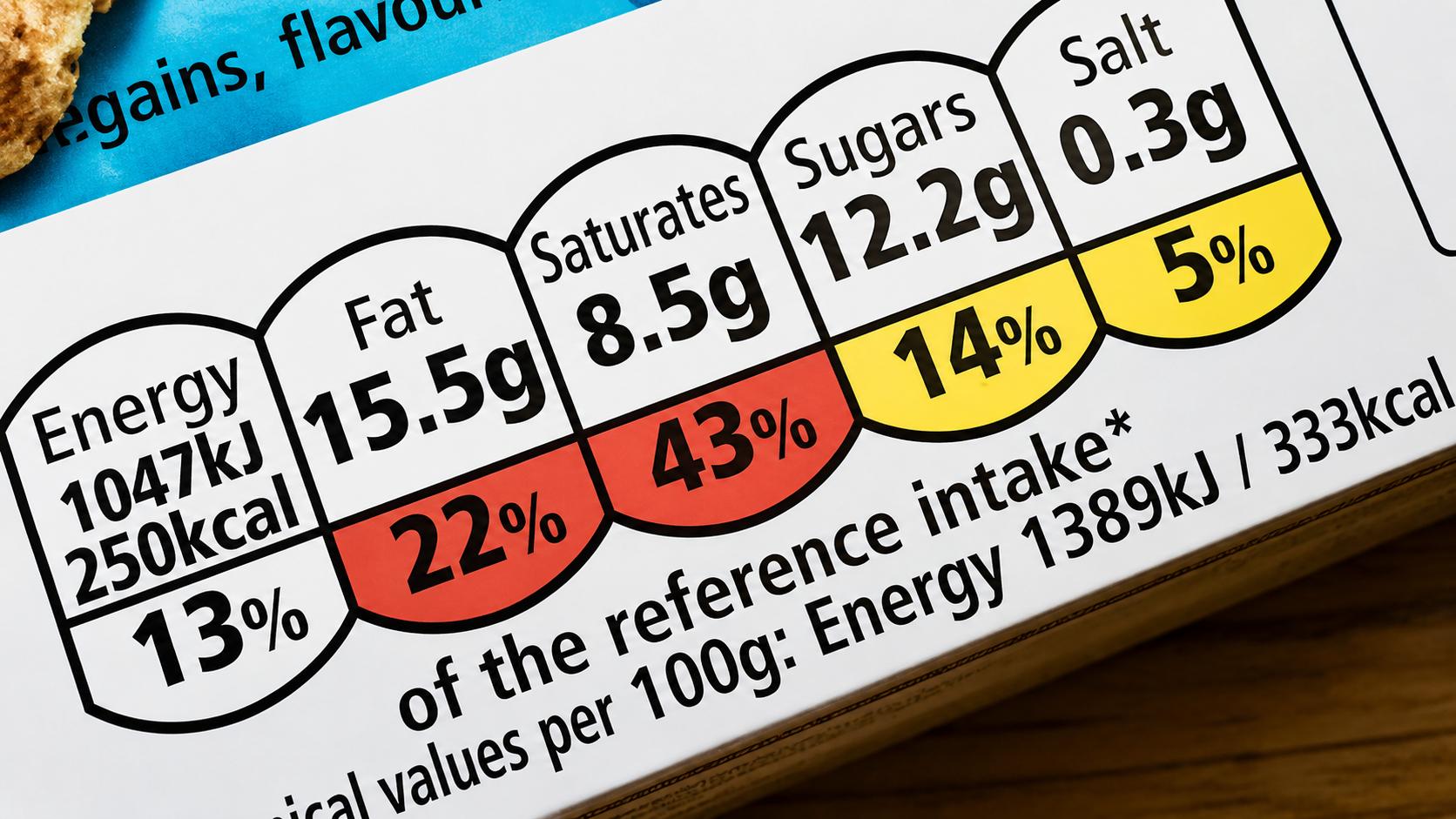
Many supermarkets and manufacturers also use the familiar traffic light system on the front of packaging. Green indicates a low amount of fat, sugar, salt or saturated fat, amber represents a medium amount and red highlights foods that are high in these nutrients. The Food Standards Agency says choosing products with more green and amber indicators can make healthier shopping much easier.
The North East has good reason to pay attention.
Healthy eating remains a major public health priority across the North East, where rates of obesity, cardiovascular disease and type 2 diabetes remain higher than the England average in many communities.
Newcastle is also home to internationally recognised nutrition research through Newcastle University, with scientists regularly contributing to studies exploring diet quality, ageing and healthier eating habits. Their work continues to help shape understanding of how everyday food choices affect long-term health.
While no single supermarket trip will transform someone's wellbeing, nutrition experts agree that consistently making better decisions over months and years can have a significant impact.
What shoppers should look for first.
The front of the packet is often the quickest place to begin.
Traffic light labels provide an easy visual guide that allows shoppers to compare similar products side by side. For example, two jars of pasta sauce may appear almost identical, but one could contain considerably less salt and sugar than the other.
Calories also play an important role. While calorie counting is not essential for everyone, knowing how much energy different foods provide can help people manage portion sizes and avoid consuming more than they realise. The Food Standards Agency recommends using calorie information alongside overall nutritional quality rather than focusing on calories alone.
Ingredients can tell an important story.
Many nutritionists suggest spending just as much time reading the ingredients list as the nutrition panel.
Ingredients are listed in descending order by weight, meaning the first few ingredients usually make up the largest proportion of the product. If sugar appears near the top of the list or several different types of sugar are included, the product may contain more added sugar than shoppers expect.
Similarly, products with long ingredient lists featuring numerous additives, flavourings or emulsifiers may be more heavily processed than simpler alternatives. While additives approved for use in the UK are considered safe, many people choose foods with fewer ingredients as part of a balanced diet.
The statistics behind food labels.
Research shows food labels really can influence buying habits.
The Food Standards Agency's 2024 Making Food Better Tracker found that 35 percent of shoppers now use the nutrition information on the back of packs, compared with 25 percent the previous year. Meanwhile, 33 percent admitted they still do not check nutritional information when shopping, although that figure has fallen from 41 percent in 2023.
The same survey found that around nine in ten consumers recognise traffic light labels, although only about half actively use them when deciding what to buy.
Research examining hundreds of food products sold across UK supermarkets also found that hybrid front-of-pack labels combining traffic lights with reference intakes are among the most common nutrition formats, helping shoppers compare products more easily.
Do labels always change behaviour?
Food labels are useful, but they are not a perfect solution.
Recent research suggests calorie labels can reduce the amount people eat, but only by a relatively small amount during each meal. While the immediate effect may appear modest, researchers believe even small reductions across millions of people could contribute to better public health over time.
Other studies have found that taste, price and convenience often remain stronger influences than nutritional information, particularly when buying takeaways or convenience foods.
That is why many health professionals encourage shoppers to use labels as one tool among many, alongside meal planning, cooking at home more often and eating a wider variety of fruit, vegetables and wholegrains.
Simple shopping habits that make a difference.
Making healthier choices does not require completely changing your weekly shop.
Comparing similar products before placing them in your basket can quickly reduce your intake of sugar or salt without sacrificing favourite meals. Choosing cereals with less sugar, soups with lower salt content and yoghurts with fewer added ingredients are simple changes that can add up over time.
It is also worth paying attention to serving sizes. Some products appear healthier until shoppers realise the nutritional information applies to only half the packet or a much smaller portion than most people actually eat.
Developing the habit of reading labels becomes easier with practice and often takes only a few extra seconds during each shopping trip.
Better information can lead to better choices.
Food labels are not designed to tell people exactly what to eat, but they do provide the facts needed to make informed decisions.
For shoppers across Newcastle and the wider North East, learning how to understand traffic lights, ingredients, calories and portion sizes offers a practical way to improve everyday eating habits without following restrictive diets.
As food packaging continues to evolve and nutrition awareness grows, those small decisions made in supermarket aisles today could contribute to healthier lives for years to come.
Share your experience.
Do you check food labels before buying, or are price and taste your biggest priorities?
Food & Drink News
The Simple Shopping Habit That Boosts Health
Advertisement




Comments (0)
You must be logged in to post comments.
Don't have an account? Register here
No comments yet. Be the first to share your thoughts!