
Walk through almost any supermarket in Newcastle, Sunderland or Durham today and you'll notice something that barely existed a decade ago. Shelves are now packed with sugar-free soft drinks, no added sugar snacks, reduced sugar cereals, low sugar desserts and confectionery aimed at shoppers looking for healthier alternatives.
What was once a niche market has become part of everyday grocery shopping across Britain. Major supermarkets have expanded their sugar-free ranges, manufacturers have reformulated thousands of products and consumer demand continues to grow as more people become aware of the health risks linked to excessive sugar consumption.
For families across the North East, where obesity and type 2 diabetes remain significant public health challenges, the rise of sugar-free products reflects changing attitudes towards healthier eating. The question is whether these products are genuinely better for us or simply another supermarket trend.
Why sugar-free products are becoming more popular.
Health awareness has increased dramatically over the past decade.
NHS campaigns encouraging people to reduce free sugars, combined with greater public understanding of obesity, heart disease and type 2 diabetes, have encouraged many shoppers to rethink what goes into their trolleys. The NHS recommends that adults consume no more than 30 grams of free sugars each day, yet many people still exceed that amount without realising it.
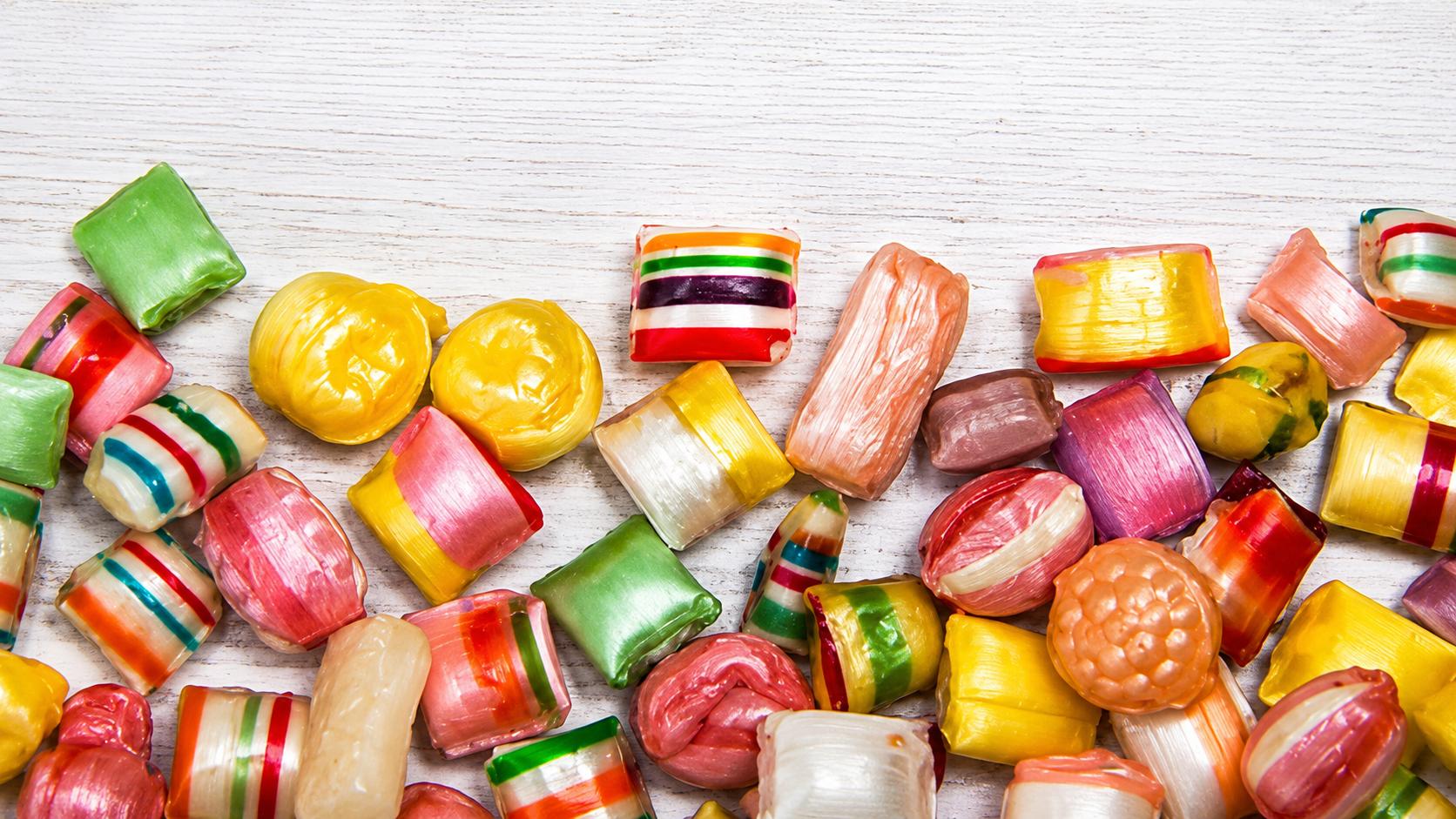
At the same time, supermarkets have responded to growing demand by introducing larger ranges of reduced sugar and sugar-free products. Today it is possible to find sugar-free fizzy drinks, sweets, sauces, flavoured waters, yoghurts, protein products and even ice cream in most major retailers.
For shoppers, the choice has never been greater.
The sugar tax changed supermarket shelves.
One of the biggest reasons behind this shift was the introduction of the Soft Drinks Industry Levy, commonly known as the sugar tax.
Rather than charging shoppers directly, the levy encouraged manufacturers to reduce the sugar content of their drinks to avoid paying the tax. The result was one of the largest reformulation programmes ever seen in the UK food industry.
Government figures show that sugar levels in soft drinks covered by the levy have fallen by almost 50 percent since the policy was introduced.
Breakfast cereals have also reduced sugar by around 15 percent, while yoghurts have seen reductions of more than 13 percent and milk-based drinks around 32 percent through wider reformulation programmes.
For many shoppers, these changes happened without them even noticing.
The North East is embracing healthier choices.
Across Newcastle and the wider North East, healthier eating has become a growing focus as local health organisations continue encouraging people to reduce excess sugar.
Newcastle University has built an international reputation for nutrition research, examining how diet affects healthy ageing and long-term wellbeing. While much of its work looks at overall dietary quality rather than individual sugar-free products, researchers consistently highlight the importance of reducing excess sugar as part of a balanced lifestyle.
Many supermarkets across the region have also expanded healthier own-brand ranges, making lower-sugar choices more accessible and affordable than ever before.
Are sugar-free products actually healthier?
The answer depends on the product.
Replacing sugary drinks with sugar-free versions can significantly reduce calorie and sugar intake, which may help people manage their weight and reduce their risk of tooth decay.
However, nutrition experts also point out that "sugar-free" does not automatically mean "healthy".
Some products contain artificial or non-sugar sweeteners to maintain sweetness, while others may still be high in saturated fat, salt or calories. Health professionals therefore recommend looking beyond front-of-pack claims and reading the full nutrition label before deciding which option is best.
The long-term goal, according to government dietary advice, is not simply replacing sugar with sweeteners but gradually reducing people's preference for very sweet foods altogether.
The statistics behind the trend.
Several figures show just how much Britain's food industry has changed.
Government monitoring found that sugar levels in soft drinks covered by the levy have fallen by around 47 percent since reformulation began.
Research published in 2024 also found children's daily sugar intake from soft drinks halved within three years of the sugar tax being announced, while adults also recorded substantial reductions.
The government estimates obesity now costs the NHS around £11.4 billion every year, one reason healthier product reformulation remains a major public health priority.
Meanwhile, manufacturers continue introducing more reduced sugar products as consumer demand shifts towards healthier alternatives.
How shoppers can make the most of sugar-free products.
Experts recommend using sugar-free products as part of a wider healthy eating plan rather than relying on them alone.
Choosing water instead of sugary drinks remains one of the simplest changes people can make. Where shoppers prefer fizzy drinks, sugar-free alternatives can help reduce free sugar intake considerably.
Comparing nutrition labels is equally important. Some sugar-free snacks may still contain high levels of calories or saturated fat, meaning they should still be enjoyed in moderation.
Nutritionists also encourage shoppers to build meals around fruit, vegetables, wholegrains, lean proteins and dairy products rather than depending heavily on processed convenience foods, whether they are sugar-free or not.
Healthier shopping is becoming the new normal.
The growing popularity of sugar-free products shows how quickly British shopping habits have evolved.
For people across Newcastle and the North East, supermarket shelves now offer more opportunities than ever to reduce sugar intake without sacrificing convenience or flavour.
While sugar-free products are not a magic solution, they can play a useful role alongside a balanced diet, regular exercise and sensible portion sizes.
As manufacturers continue reformulating products and consumers become more informed about nutrition, healthier supermarket choices are likely to become even more common in the years ahead.
Have your say.
Have you switched to sugar-free products, or do you still prefer the original versions?
Food & Drink News
The Rise of Sugar-Free Shopping in Britain
Advertisement


Comments (0)
You must be logged in to post comments.
Don't have an account? Register here
No comments yet. Be the first to share your thoughts!