
Children under the age of 16 will no longer be able to buy high-caffeine energy drinks anywhere in England from April, following confirmation from the Government that new legislation will come into force next year.
The long-awaited move is designed to improve children's health by reducing excessive caffeine consumption and tackling issues including poor sleep, anxiety, obesity and reduced concentration in schools. It is a policy that has been debated for years and is expected to affect thousands of young people, retailers and families across the country, including in Newcastle.
Under the new rules, any drink containing more than 150mg of caffeine per litre cannot legally be sold to anyone under the age of 16. The restrictions will apply in supermarkets, convenience stores, cafés, restaurants, vending machines and online retailers.
Popular Energy Drinks Will Be Affected.
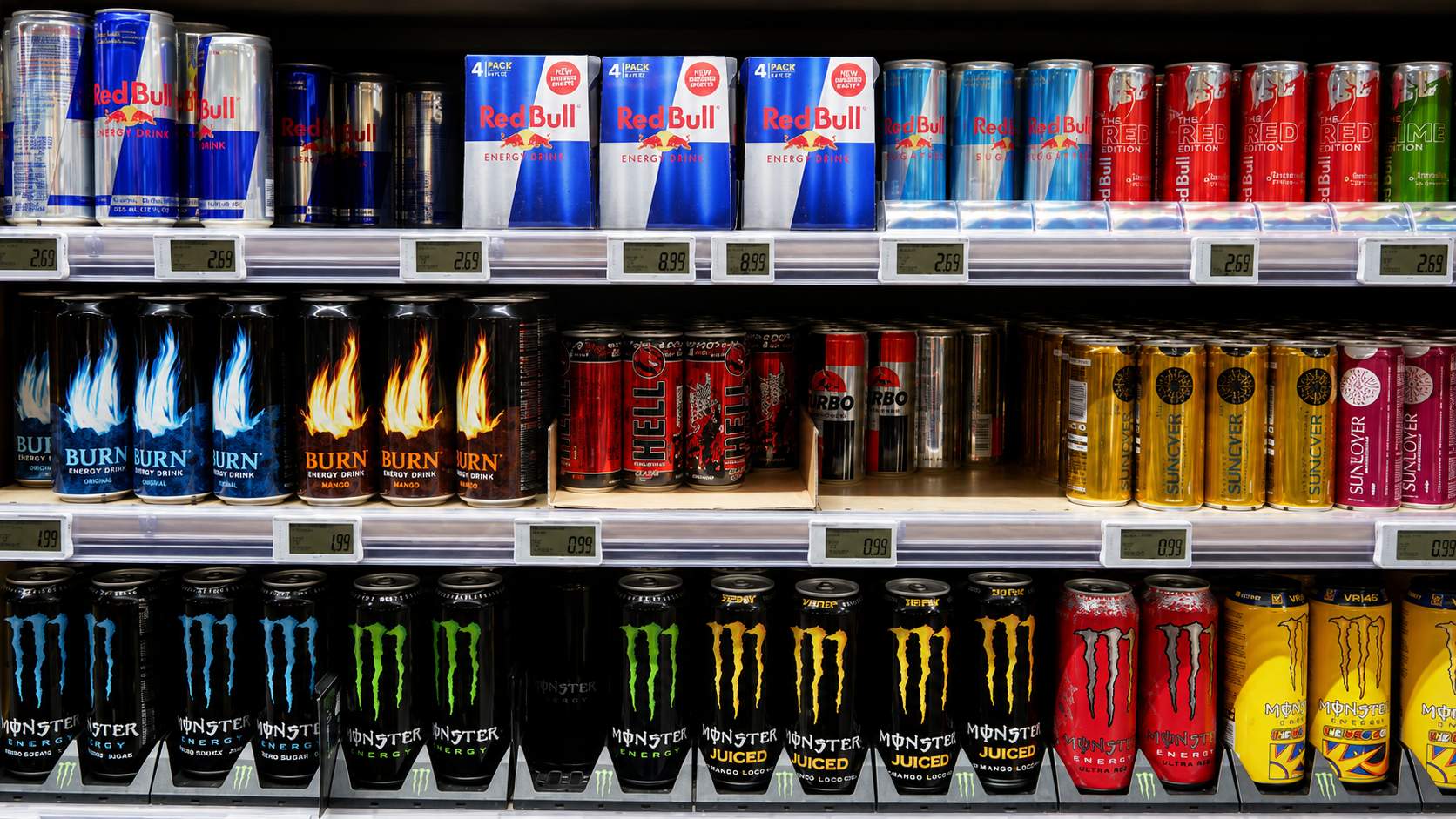
The legislation will cover many of the UK's most recognisable energy drink brands. Products including Red Bull, Monster, Relentless and Prime Energy all exceed the caffeine threshold and will fall under the age restriction.
However, the changes will not affect lower-caffeine soft drinks such as Diet Coke, nor will they apply to tea or coffee, which are treated differently under existing food regulations.
Businesses that fail to comply with the law could receive fines of up to £2,500, with enforcement carried out by local authorities. Retailers across Newcastle and the wider North East are expected to introduce age verification systems similar to those already used for products such as alcohol and vaping devices.
Newcastle Families Could See Health Benefits.
The announcement is likely to resonate with many parents, teachers and healthcare professionals across Newcastle, where concerns about children's wellbeing and mental health continue to grow.
Schools have increasingly highlighted the impact that high-caffeine drinks can have on pupils during the school day. Experts say excessive caffeine intake may contribute to disrupted sleep, reduced attention spans, increased anxiety and behavioural problems, all of which can influence educational performance.
Public Health Minister Sharon Hodgson said the ban demonstrates the Government's commitment to creating "the healthiest generation of children ever", with ministers believing the restrictions will help young people develop healthier habits from an earlier age.
Local schools and youth organisations in Newcastle are expected to welcome measures that encourage healthier choices among teenagers.
Why Experts Support The New Rules.
Medical experts have long warned that children are more sensitive to caffeine than adults because of their smaller body size and developing brains.
According to the NHS, healthy adults can safely consume up to 400mg of caffeine each day, but much lower amounts may affect children and teenagers. Excessive intake has been linked to headaches, sleep disruption, increased heart rate, abnormal heart rhythms and, in rare cases, seizures.
Sugary energy drinks can also contribute to tooth decay and childhood obesity, adding further pressure to NHS services.
The Association for the Study of Obesity estimates that around one in five children leave primary school in England living with obesity, making healthier dietary choices an increasing public health priority.
The Numbers Behind Energy Drink Consumption.
Government figures estimate that around 100,000 children in England consume an energy drink every day, highlighting the scale of the issue.
Research from the European Food Safety Authority previously found that 68 percent of adolescents aged 10 to 18 regularly consume energy drinks, with many drinking multiple cans in a single sitting.
Some popular energy drinks contain well over 100mg of caffeine in a single can. For comparison, a standard can of cola contains roughly 40mg of caffeine, while some energy drinks contain the equivalent of two cups of coffee.
Health experts say the combination of high caffeine and sugar makes these drinks particularly concerning for younger consumers.
Industry Remains Divided.
While health organisations have broadly welcomed the announcement, the soft drinks industry continues to question whether legislation is necessary.
The British Soft Drinks Association noted that many manufacturers have voluntarily avoided marketing high-caffeine drinks to under-16s since 2010 and already display labels advising that the products are not recommended for children.
Meanwhile, the Obesity Health Alliance described the restrictions as a practical and sensible step that could improve children's health during important stages of development.
The ban follows a public consultation that received more than 1,100 responses, with strong support shown for introducing legal age restrictions.
What Happens Next.
The legislation will be introduced through powers contained within the Food Safety Act 1990, subject to parliamentary approval.
While England is now moving ahead with the policy, Scotland, Wales and Northern Ireland are continuing to consider similar restrictions, meaning the approach could eventually become consistent across the UK.
For Newcastle retailers, the coming months will provide time to prepare staff training and update sales procedures before the regulations take effect.
As awareness grows around the health effects of excessive caffeine consumption, many parents and educators will be watching closely to see whether the new rules make a noticeable difference to children's wellbeing and classroom performance.
Share your thoughts.
What do you think about the new energy drink ban for under-16s?
Food & Drink News
Government Confirms Under-16 Energy Drink Ban From April 2027
Advertisement


Comments (0)
You must be logged in to post comments.
Don't have an account? Register here
No comments yet. Be the first to share your thoughts!