
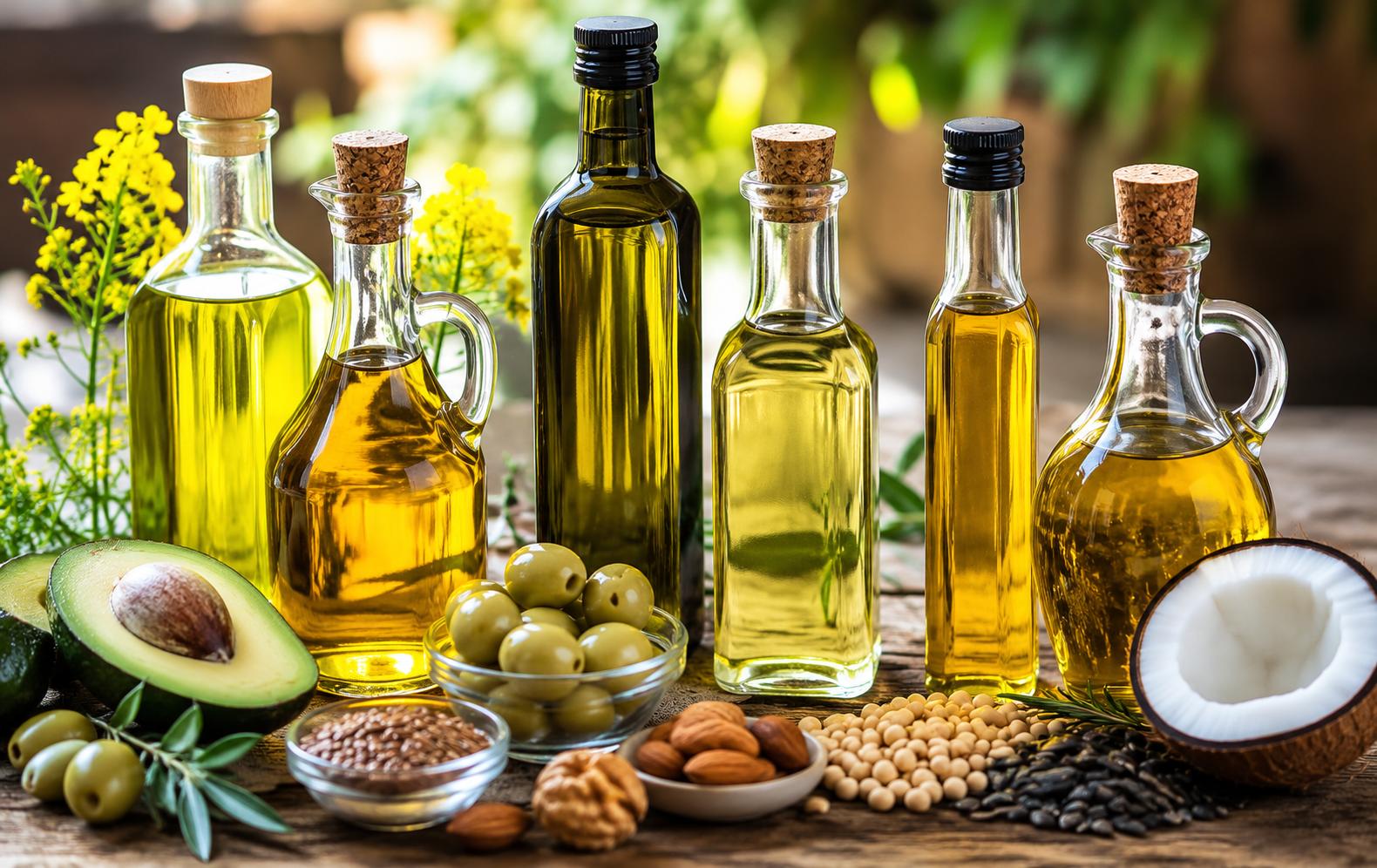
Choosing the right cooking oil has become one of the most important decisions for health-conscious households, with nutrition experts increasingly warning that not all oils are created equal.
From heart health and cholesterol levels to inflammation and brain function, the type of oil used in everyday cooking can have a major impact on long-term wellbeing. While supermarket shelves are filled with dozens of options ranging from olive oil and avocado oil to sunflower and coconut oil, many people remain unsure which oils are genuinely healthy and which should only be used occasionally.
In recent years, healthier eating habits and growing awareness around processed foods have pushed cooking oils into the spotlight, particularly as more people search online for the best oils for frying, roasting, baking, and salad dressings.
Nutritionists say the healthiest cooking oils are generally those rich in unsaturated fats, antioxidants, vitamins, and anti-inflammatory compounds. However, the healthiest choice can also depend on how the oil is used, as some oils perform better under high heat while others are better suited for cold dishes.
Here is a closer look at some of the healthiest cooking oils for everyday meals and the additional health benefits they may provide.
Extra Virgin Olive Oil Remains One Of The Healthiest Choices.
Extra virgin olive oil is widely regarded as one of the healthiest cooking oils available and remains a cornerstone of the Mediterranean diet, which has long been linked to lower rates of heart disease and longer life expectancy.
Made from cold-pressed olives, extra virgin olive oil contains high levels of monounsaturated fats, which are considered beneficial for heart health. It is also packed with antioxidants known as polyphenols that may help reduce inflammation and protect cells from damage.
Studies have suggested that regular consumption of olive oil may help support healthy cholesterol levels, lower blood pressure, and reduce the risk of cardiovascular disease.
One of the key reasons olive oil is considered healthier than many processed vegetable oils is that it undergoes minimal refining, helping preserve its natural nutrients and flavour.
Extra virgin olive oil works particularly well for salad dressings, drizzling over vegetables, light frying, and roasting. While it can tolerate moderate cooking temperatures, nutrition experts often recommend avoiding excessive overheating to preserve its nutritional value.
Many health professionals consider it one of the best all-round oils for everyday cooking.
Avocado Oil Continues To Grow In Popularity.
Avocado oil has become increasingly popular among health-conscious consumers due to its impressive nutritional profile and versatility in the kitchen.
Like olive oil, avocado oil is rich in heart-healthy monounsaturated fats. It also contains vitamin E, an antioxidant that helps support skin health, immune function, and cell protection.
One of avocado oil’s biggest advantages is its high smoke point, which makes it suitable for frying, grilling, roasting, and high-temperature cooking without breaking down as quickly as some other oils.
Nutritionists say avocado oil may help support healthy cholesterol levels and improve nutrient absorption when consumed as part of a balanced diet.
Because of its mild flavour, it can also be used in homemade dressings, marinades, and dips without overpowering other ingredients.
Although avocado oil tends to be more expensive than standard vegetable oils, many consumers see it as a worthwhile investment for healthier cooking.
Rapeseed Oil Offers Heart Health Benefits.
Rapeseed oil, sometimes sold as canola oil in other countries, is another popular option for everyday cooking due to its low saturated fat content and affordability.
It contains omega-3 and omega-6 fatty acids, which are important for brain function and heart health when consumed in balanced amounts.
Compared to butter and animal fats, rapeseed oil is generally considered a healthier alternative because it contains significantly less saturated fat.
It also has a relatively neutral taste, making it suitable for a wide range of cooking styles including baking, stir-frying, roasting, and grilling.
Some nutrition experts recommend cold-pressed rapeseed oil over heavily refined versions, as cold-pressed oils may retain more natural nutrients and antioxidants.
While debates around seed oils continue online, most mainstream health organisations still consider rapeseed oil safe and beneficial when used in moderation as part of a balanced diet.
Coconut Oil Remains A Controversial Choice.
Coconut oil has become one of the most debated cooking oils in recent years, with some praising its potential health benefits while others urge caution due to its high saturated fat content.
Supporters of coconut oil point to compounds called medium-chain triglycerides, or MCTs, which are metabolised differently by the body and may provide a quick source of energy.
Some studies have suggested coconut oil may help increase levels of HDL cholesterol, often referred to as "good cholesterol."
Coconut oil is also commonly used in baking and certain styles of cooking because of its distinctive flavour and texture.
However, health experts continue to advise moderation because coconut oil contains much higher levels of saturated fat than oils such as olive oil or avocado oil.
While occasional use is unlikely to cause harm for most people, nutritionists generally recommend prioritising unsaturated fats as the main source of dietary oil.
Walnut Oil May Support Brain Health.
Walnut oil is less commonly used in everyday cooking but is increasingly recognised for its potential health benefits.
Rich in omega-3 fatty acids and antioxidants, walnut oil has been linked to improved brain health and reduced inflammation.
Some research suggests omega-3 fats may support cognitive function and help reduce the risk of certain chronic conditions when included as part of a healthy diet.
Walnut oil has a delicate, nutty flavour that works particularly well in salad dressings, pasta dishes, and cold recipes.
Because it has a relatively low smoke point, it is not usually recommended for deep frying or high-heat cooking.
Its nutritional benefits are often best preserved when used cold or lightly warmed.
Sesame Oil Adds Flavour And Antioxidants.
Sesame oil has been used in Asian cooking for centuries and is valued for both its flavour and nutritional benefits.
It contains antioxidants including sesamol and sesamin, compounds believed to help reduce oxidative stress and inflammation in the body.
Sesame oil also contains healthy unsaturated fats and may help support heart health when used in place of saturated fats.
Toasted sesame oil is particularly popular for stir-fries, noodles, marinades, and dipping sauces because of its rich flavour.
Lighter sesame oil varieties can also be used for cooking at higher temperatures.
Many nutritionists recommend using sesame oil in moderation due to its strong flavour, which means small amounts can go a long way.
Sunflower Oil Can Be Healthy In Moderation.
Sunflower oil remains one of the most widely used cooking oils in the UK and is commonly found in processed foods, restaurants, and home kitchens.
It contains vitamin E and unsaturated fats, but experts say the type of sunflower oil matters.
High-oleic sunflower oil is generally considered healthier because it contains more monounsaturated fats and is more stable at high temperatures.
However, heavily processed sunflower oils high in omega-6 fats may contribute to an imbalance in fatty acid intake if consumed excessively alongside highly processed foods.
For this reason, nutritionists often recommend moderation and suggest rotating oils rather than relying too heavily on a single type.
Why Cooking Methods Matter.
Choosing a healthy cooking oil is only part of the equation. How oils are used can also significantly affect their nutritional value.
When oils are overheated beyond their smoke point, they can begin to break down and produce harmful compounds that may negatively affect health.
Deep frying at extremely high temperatures can reduce some of the health benefits associated with otherwise healthy oils.
Experts often recommend using oils suited to the cooking method involved. For example:
Olive oil works well for low to medium heat cooking
Avocado oil is suitable for high-temperature frying
Walnut oil is better for cold dishes
Sesame oil is ideal for flavouring and stir-fries
Using oils in moderation also remains important, as all oils are calorie-dense regardless of their nutritional profile.
The Shift Towards Healthier Eating Continues.
Interest in healthy cooking oils has grown alongside wider changes in eating habits, with more households focusing on whole foods, balanced diets, and reducing ultra-processed ingredients.
Searches for healthy oils for cooking, best oils for heart health, and anti-inflammatory foods have increased significantly online as consumers become more aware of the connection between diet and long-term health.
Nutritionists say there is no single perfect oil for every situation, but incorporating a variety of minimally processed oils rich in unsaturated fats can help support overall wellbeing.
For many people, replacing heavily processed fats and repeatedly heated oils with healthier alternatives may be one of the simplest changes they can make in the kitchen.
As research into nutrition continues to evolve, cooking oils are likely to remain an important topic for anyone looking to improve their diet, support heart health, and make healthier everyday food choices.
Which cooking oil do you use most at home and have you noticed any health benefits from switching to healthier options? Share your thoughts in the comments below.
Food & Drink News
Healthiest Cooking Oils for Everyday Meals and Better Wellbeing
Advertisement




Comments (0)
You must be logged in to post comments.
Don't have an account? Register here
No comments yet. Be the first to share your thoughts!