
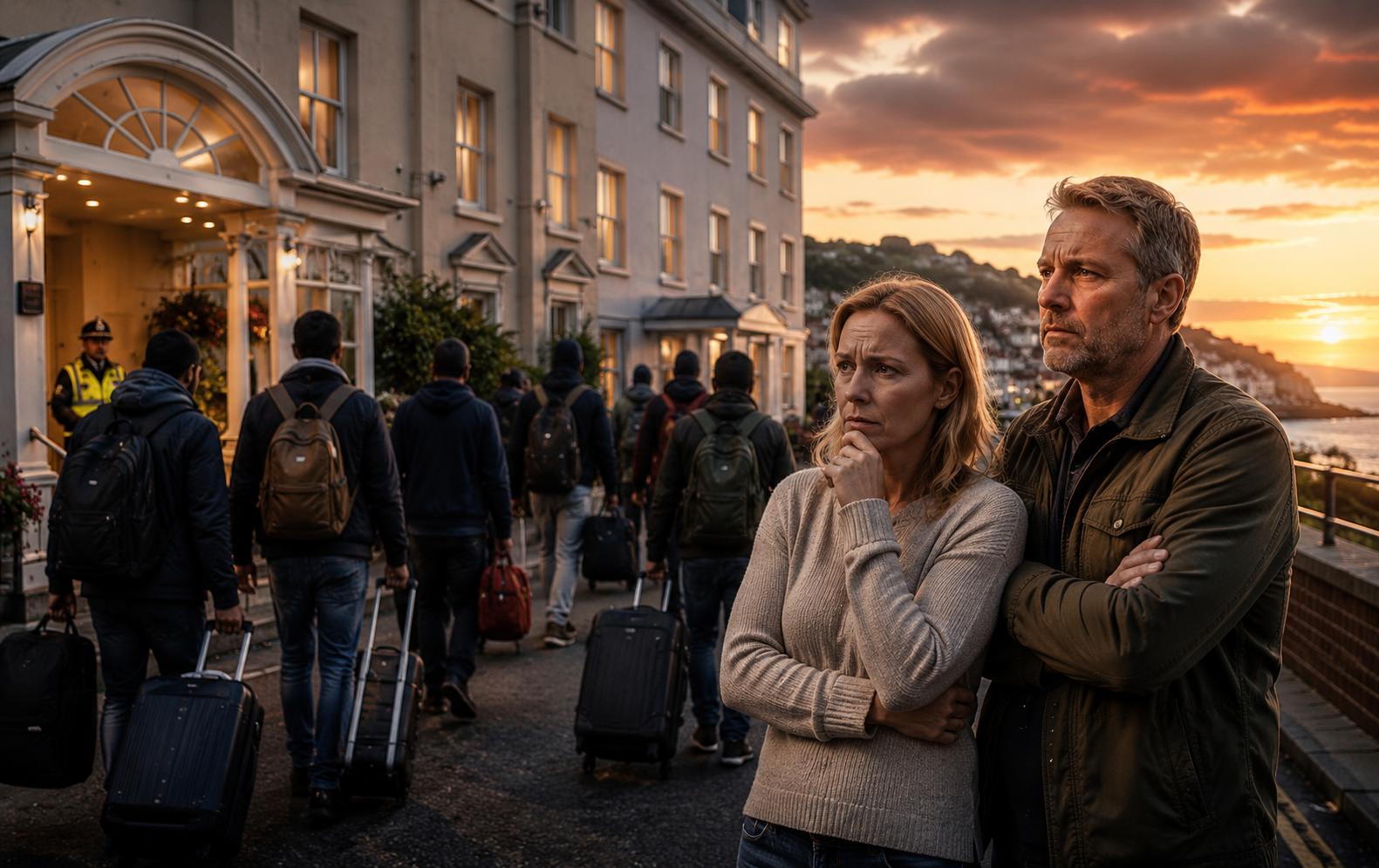
Across several towns and cities in the UK, hotels that were once used to house asylum seekers and migrants are now facing a new challenge - convincing tourists and regular guests to return. While some hotel operators say they were left with little choice during the height of the migrant accommodation crisis, critics argue the decision damaged local trust, hurt tourism and raised concerns about safety within surrounding communities.
As government contracts begin to end in some areas, hotel owners are attempting to rebuild their reputations and restore occupancy rates that have struggled to recover. Yet for many residents and former guests, the controversy surrounding migrant accommodation has not been forgotten.
Hotels Attempt To Rebuild Their Reputation.
Several hotels that accepted government contracts over the past two years are now advertising discounted stays, family packages and refurbishment projects aimed at attracting tourists back through their doors. Industry analysts say many businesses became financially dependent on government-funded migrant housing during difficult economic conditions, particularly after the pandemic slowed tourism.
However, the transition back to traditional hospitality has not been smooth. Some former customers say they no longer feel comfortable booking hotels that were previously used for asylum accommodation. Others claim the experience changed the atmosphere around nearby communities and affected local businesses that relied on tourism.
In seaside towns and smaller tourist destinations, residents say the presence of large numbers of migrants in hotels altered the character of the area. Local business owners have reported drops in visitor spending during peak seasons, especially where media attention focused heavily on migrant accommodation.
One hotel owner in northern England, who asked not to be named, admitted rebuilding customer confidence has become one of the biggest challenges facing the sector.
“We are trying to move forward, but people remember what happened,” the owner said. “There are customers who openly say they will never come back.”
Community Concerns Continue To Fuel Debate.
The issue remains politically and socially divisive across the UK. Supporters of migrant accommodation programmes argue hotels provided emergency shelter during periods of rising asylum applications and housing shortages. Human rights groups also maintain that asylum seekers should not be blamed for wider failures within immigration systems.
At the same time, many local residents continue to express frustration over how the situation was managed. Community groups in several towns claim they were given little warning before hotels were used to house migrants. Critics argue local services such as healthcare, policing and schools came under additional pressure.
Safety concerns have also played a central role in the debate. While official statistics do not show widespread criminal activity linked directly to asylum hotels, some residents believe anti-social behaviour incidents increased after migrants were housed locally. Social media discussions and local campaign groups have amplified those fears, leading to calls for tourism boycotts and protests outside some properties.
In response, police forces in multiple regions have previously stated they worked closely with councils and accommodation providers to manage tensions and maintain public order.
Tourism Businesses Feel The Economic Impact.
The wider tourism industry has also experienced consequences linked to the migrant hotel controversy. Travel agents and local tourism operators in some affected regions report that negative publicity surrounding asylum accommodation discouraged visitors from booking holidays.
Businesses near hotels used for migrant housing say they noticed fewer tourists visiting restaurants, shops and attractions. In some coastal towns, residents complained that long-established holiday destinations gained unwanted national attention connected to immigration disputes rather than tourism.
Tourism experts believe rebuilding those local economies may take time, especially as online reviews and social media discussions continue influencing travel decisions. Some hotels have attempted to distance themselves from previous government contracts by promoting renovations, management changes and new branding campaigns.
Marketing consultant James Riley, who works with independent hospitality businesses, said reputation recovery can take years once public trust has been damaged.
“When travellers associate a hotel with controversy or negative headlines, that image does not disappear overnight,” he explained. “Hotels now have to compete not only on price, but on public perception.”
Government Policy Faces Ongoing Scrutiny.
The use of hotels to house asylum seekers became one of the most controversial immigration issues in Britain over recent years. Rising migration numbers and limited accommodation options forced authorities to rely heavily on temporary hotel contracts across the country.
Government officials have repeatedly defended the policy as a necessary short-term measure while alternative housing solutions were developed. Ministers have also argued that reducing the asylum backlog remains essential to ending expensive hotel use.
Critics, however, say the approach placed unfair pressure on local communities and taxpayers. Concerns over the financial cost of migrant accommodation have become a major political talking point, particularly as inflation and housing shortages continue affecting British households.
Some councils have since demanded greater consultation powers before hotels in their areas can be used for asylum accommodation in the future. Others are calling for stronger investment in border control and faster asylum processing systems to reduce long-term dependence on temporary housing.
Hotel Owners Divided Over Previous Decisions.
Within the hospitality industry itself, opinions remain mixed. Some hotel operators insist accepting migrant housing contracts helped businesses survive during periods of financial uncertainty. Others believe the long-term reputational damage outweighed the short-term income.
Several hotel owners who refused government accommodation deals say they are now benefiting from stronger customer loyalty. Meanwhile, hotels attempting to return to normal tourism markets face increasing pressure to reassure both visitors and local residents.
Industry figures suggest some properties may struggle for years to fully recover occupancy levels, particularly in areas where community protests received widespread media coverage.
Despite the challenges, many hotel businesses remain hopeful that time and investment will eventually restore public confidence. Travel demand across the UK continues to recover overall, and some operators believe tourists will gradually move past the controversy.
Still, the debate surrounding hotels housing migrants has become part of a much larger national conversation about immigration, public spending and local identity. For communities affected by the issue, those discussions are unlikely to disappear anytime soon.
Readers have strong opinions on the future of migrant accommodation and the impact on local communities. Share your thoughts in the comments and join the discussion on how hotels and towns can rebuild trust moving forward.
Have tourism and safety concerns changed your view on hotels used for asylum accommodation? Let us know in the comments below!
Political News
Hotels Seek Guests Again After Migrant Contracts End in UK Towns
Advertisement


Comments (0)
You must be logged in to post comments.
Don't have an account? Register here
No comments yet. Be the first to share your thoughts!