
Martyn’s Law is expected to reshape how businesses across Newcastle approach public safety, security planning and venue management over the coming years.
Officially known as the Terrorism (Protection of Premises) Act, the legislation was introduced following the 2017 Manchester Arena bombing and is designed to improve preparedness at venues where members of the public gather in large numbers.
Although the law received Royal Assent in April 2025, businesses still have time to prepare before enforcement begins, with implementation not expected before 2027. Even so, many organisations across Newcastle are already assessing what the legislation could mean for staffing, operations, customer experience and long-term costs.
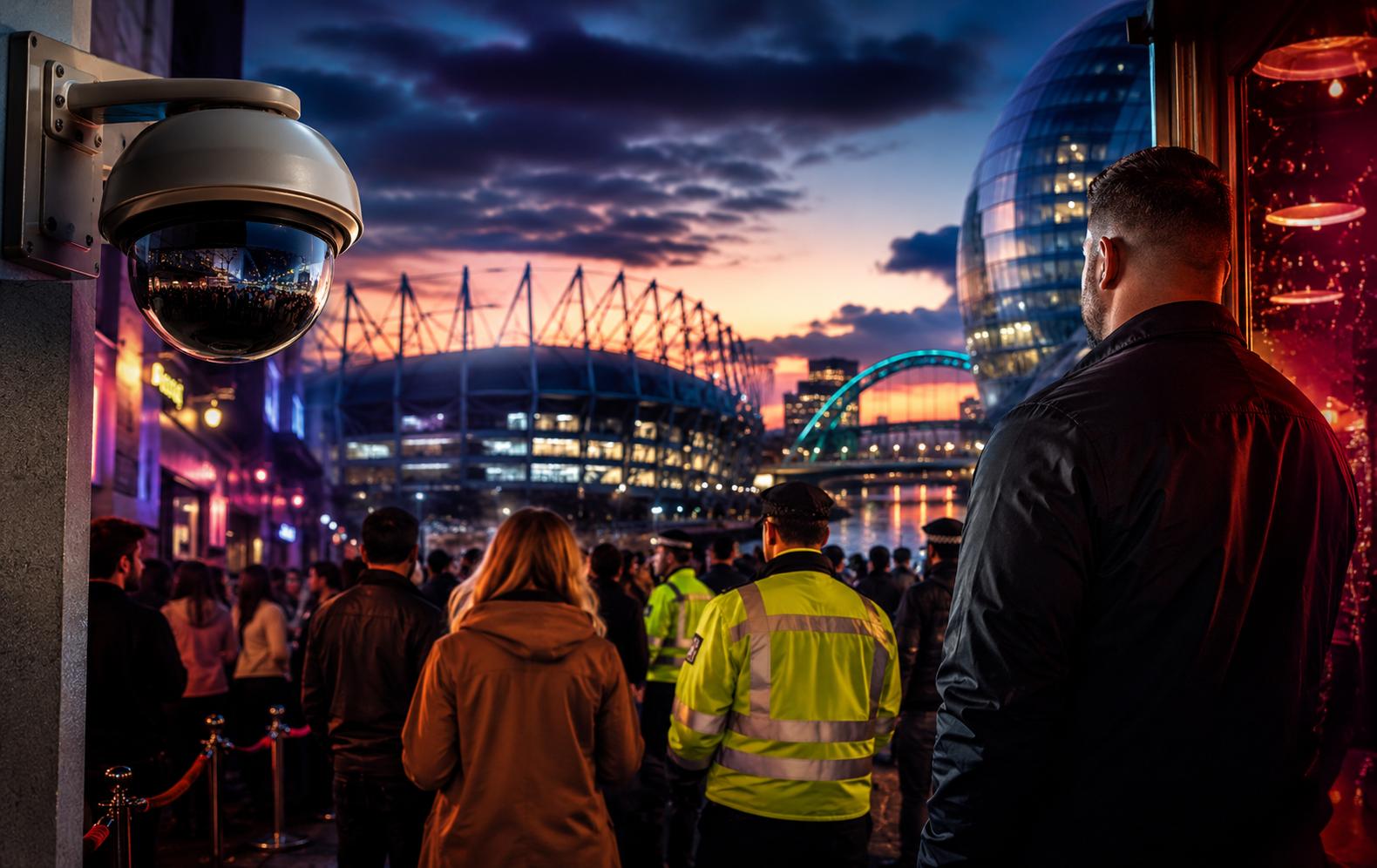
For a city built around football, concerts, nightlife, hospitality and tourism, Martyn’s Law could have a particularly significant impact.
From St James’ Park and Utilita Arena Newcastle to bars, restaurants, LGBTQ+ venues and independent music spaces, operators throughout the city may soon face new legal responsibilities linked to security preparedness and emergency planning.
For business owners, the conversation is no longer simply about compliance. Increasingly, it is about balancing safety, reputation, customer confidence and operational practicality in a changing risk environment.
Why Newcastle Businesses Are Paying Attention.
Newcastle attracts millions of visitors every year through football, nightlife, concerts, student activity and tourism.
On matchdays alone, tens of thousands of supporters move through the city centre for Newcastle United fixtures at St James’ Park. At weekends, the city’s bars, pubs and restaurants are filled with visitors from across the North East and beyond.
That concentration of people is one of the reasons local businesses are watching Martyn’s Law closely.
The legislation is designed to ensure venues are better prepared to respond to potential terrorist threats through:
staff training
emergency planning
risk assessments
incident response procedures
improved communication systems
For many operators, the biggest concern is not the principle behind the law but how it will work in practice, particularly for businesses already under financial pressure.
Hospitality groups across the UK have repeatedly warned that rising operating costs, inflation and staffing shortages are already creating difficult trading conditions. Additional compliance requirements may place even more pressure on independent operators.
At the same time, security experts argue that preparedness is becoming an unavoidable part of running any business that attracts large numbers of people.
St James’ Park and Major Venues Could Set the Standard.
Few venues in the North East attract larger crowds than St James’ Park.
With Newcastle United regularly hosting more than 50,000 supporters, the stadium already operates extensive security measures. However, Martyn’s Law could still trigger further reviews of crowd management, evacuation planning and operational procedures.
Large venues are expected to fall within the enhanced tier of the legislation, meaning they may face stricter legal obligations surrounding:
terrorism risk assessments
surveillance systems
crowd flow management
emergency response planning
staff preparedness
Industry analysts believe venues like St James’ Park could become examples of best practice under the new law.
The same applies to major entertainment spaces such as Utilita Arena Newcastle and O2 City Hall, where thousands of people gather for concerts, comedy events and touring productions throughout the year.
Following the Manchester Arena attack, visible security became more common at live events nationwide. Martyn’s Law is expected to formalise many of those expectations into legal requirements.
For venue operators, one of the biggest challenges will be improving security without damaging visitor experience.
Customers increasingly expect visible preparedness, but businesses also understand that overly aggressive security can affect atmosphere, customer comfort and overall attendance.
Newcastle’s Hospitality Sector Faces Difficult Questions.
Pubs, restaurants and bars form a major part of Newcastle’s economy and identity.
From the Quayside and Grey Street to Jesmond and the Bigg Market, hospitality businesses may soon need to introduce more structured approaches to security awareness and emergency planning.
Smaller venues are expected to fall within the standard tier of Martyn’s Law, meaning obligations will likely remain proportionate. However, even basic compliance may still involve:
employee awareness training
documented emergency procedures
evacuation planning
communication protocols
security reviews
For independent hospitality operators, concerns are growing around cost and administration.
Many businesses do not employ dedicated security staff or compliance teams. Owners are now questioning how much additional training and documentation will realistically be required.
There is also concern that customers could perceive visible security changes negatively if measures are introduced poorly.
Newcastle’s hospitality industry relies heavily on atmosphere and customer experience. Venue owners are keen to avoid creating environments that feel intimidating or overly controlled.
LGBTQ+ Venues Could Face Additional Security Challenges.
One area receiving growing attention is the increased risk faced by businesses connected to minority communities and protected groups.
LGBTQ+ bars, clubs and event spaces are widely recognised by security experts as venues that may face heightened risks linked to hate crimes and extremist behaviour.
Globally, LGBTQ+ venues have historically been targeted because of their visibility and community significance. The Pulse nightclub attack in Orlando in 2016 remains one of the most widely referenced examples.
In Newcastle, LGBTQ+ venues and Pride-related events may increasingly review:
entry procedures
CCTV systems
staff awareness training
emergency communication processes
relationships with local police and emergency services
For many operators, however, maintaining openness and inclusivity remains critically important.
Venue owners often worry that excessive security measures could unintentionally undermine the welcoming environment customers expect from community spaces.
Security advisers say the goal should not be to create fortress-style venues but to improve preparedness in proportionate and practical ways.
Hate Crime Concerns Are Rising for Certain Businesses.
Beyond terrorism concerns, many Newcastle businesses are also reviewing the broader risks associated with hate crime and targeted hostility.
Businesses connected to minority ethnic, religious or cultural communities can experience increased vulnerability during periods of political tension or social unrest.
Restaurants, cafés, cultural venues and community spaces associated with particular groups have previously reported spikes in abuse, vandalism and harassment following major global events or inflammatory online rhetoric.
Faith-based venues and religious community centres are also frequently identified by security experts as locations that may require enhanced awareness and planning.
For business owners, the issue is increasingly about resilience rather than fear.
Security specialists encourage operators to:
report incidents consistently
train staff in conflict management
improve communication systems
document threats and incidents
establish relationships with local authorities
Many businesses are now recognising that customer and staff safety extends beyond traditional crime prevention and increasingly includes managing social tensions and targeted hostility.
Newcastle’s Nightlife Industry Faces a Delicate Balance.
Newcastle’s nightlife economy remains one of the city’s defining strengths.
Bars, clubs and late-night venues support thousands of jobs and attract visitors from across the UK. However, crowded nightlife environments naturally create additional operational challenges linked to public safety.
Venue operators may eventually face increased expectations around:
queue management
crowd monitoring
evacuation procedures
incident response planning
staff vigilance and reporting
Late-night venues hosting themed events, drag performances, Pride celebrations or politically sensitive gatherings could face additional scrutiny depending on risk assessments.
At the same time, businesses are determined to preserve the social atmosphere that makes Newcastle popular with visitors.
Hospitality leaders have repeatedly stressed that implementation of Martyn’s Law must remain proportionate, particularly for smaller operators already dealing with rising costs and staffing pressures.
The Financial Impact Could Be Significant.
Cost remains one of the biggest concerns surrounding Martyn’s Law.
Larger organisations may be able to absorb compliance expenses more comfortably, but smaller businesses could face difficult financial decisions over the next two years.
Potential costs may include:
external security consultants
staff training programmes
upgraded CCTV systems
physical security improvements
compliance administration
new monitoring technology
Some operators worry that increased regulation could place further strain on businesses still recovering from economic instability and changing consumer spending patterns.
However, supporters of the legislation argue that preparedness should be viewed as a long-term investment rather than a burden.
Security experts often point out that the financial and reputational damage caused by a serious incident can far exceed the cost of preventative planning.
Insurance providers are also watching developments closely, with some analysts suggesting stronger preparedness could eventually influence insurance assessments and liability considerations.
Technology Will Play a Bigger Role.
Martyn’s Law is also expected to accelerate investment in security technology.
Businesses across Newcastle may increasingly explore:
intelligent CCTV systems
crowd monitoring software
emergency alert platforms
digital staff training systems
access control technology
For security firms and technology providers, the legislation could create major commercial opportunities.
However, businesses must also remain aware of privacy and data protection obligations when introducing surveillance and monitoring systems.
Balancing public safety with customer privacy is expected to become a major issue for venue operators in the coming years.
Businesses Are Being Encouraged to Prepare Early.
Although enforcement is still some distance away, industry advisers are urging businesses not to wait until the final implementation period.
Early preparation may help spread costs over time while reducing disruption closer to enforcement deadlines.
Recommended first steps include:
reviewing emergency procedures
identifying operational vulnerabilities
assessing staffing requirements
introducing basic awareness training
consulting security professionals where appropriate
monitoring Government guidance updates
For larger organisations, preparation is increasingly becoming a cross-department responsibility involving legal, HR, operations and facilities teams.
Smaller businesses may initially focus on awareness, planning and practical response procedures before considering more advanced investments.
Martyn’s Law Could Permanently Change How Newcastle Businesses Operate.
The long-term impact of Martyn’s Law may extend far beyond terrorism preparedness alone.
For many Newcastle businesses, security planning is becoming part of broader operational strategy alongside health and safety, customer experience and reputation management.
From football stadiums and concert arenas to pubs, restaurants, LGBTQ+ venues and independent nightlife operators, businesses throughout the city are preparing for a future where resilience and preparedness become standard expectations.
As implementation approaches, organisations across Newcastle will continue waiting for further guidance on enforcement, compliance standards and support for smaller businesses.
What already seems certain is that Martyn’s Law will become one of the most significant operational changes facing the UK hospitality and events industry in years.
For Newcastle business owners, adapting early may prove critical not only for compliance but for maintaining customer trust in an increasingly security-conscious environment.
Do you think Martyn’s Law will improve public safety in Newcastle without damaging nightlife and hospitality businesses? Share your views in the comments below.
Business News
How Martyn’s Law Will Impact Newcastle Businesses and Major Venues in 2027
Advertisement





Comments (0)
You must be logged in to post comments.
Don't have an account? Register here
No comments yet. Be the first to share your thoughts!