
Anyone who regularly travels on buses or the Metro across Newcastle and the North East will know there are certain habits most passengers simply expect people to follow.
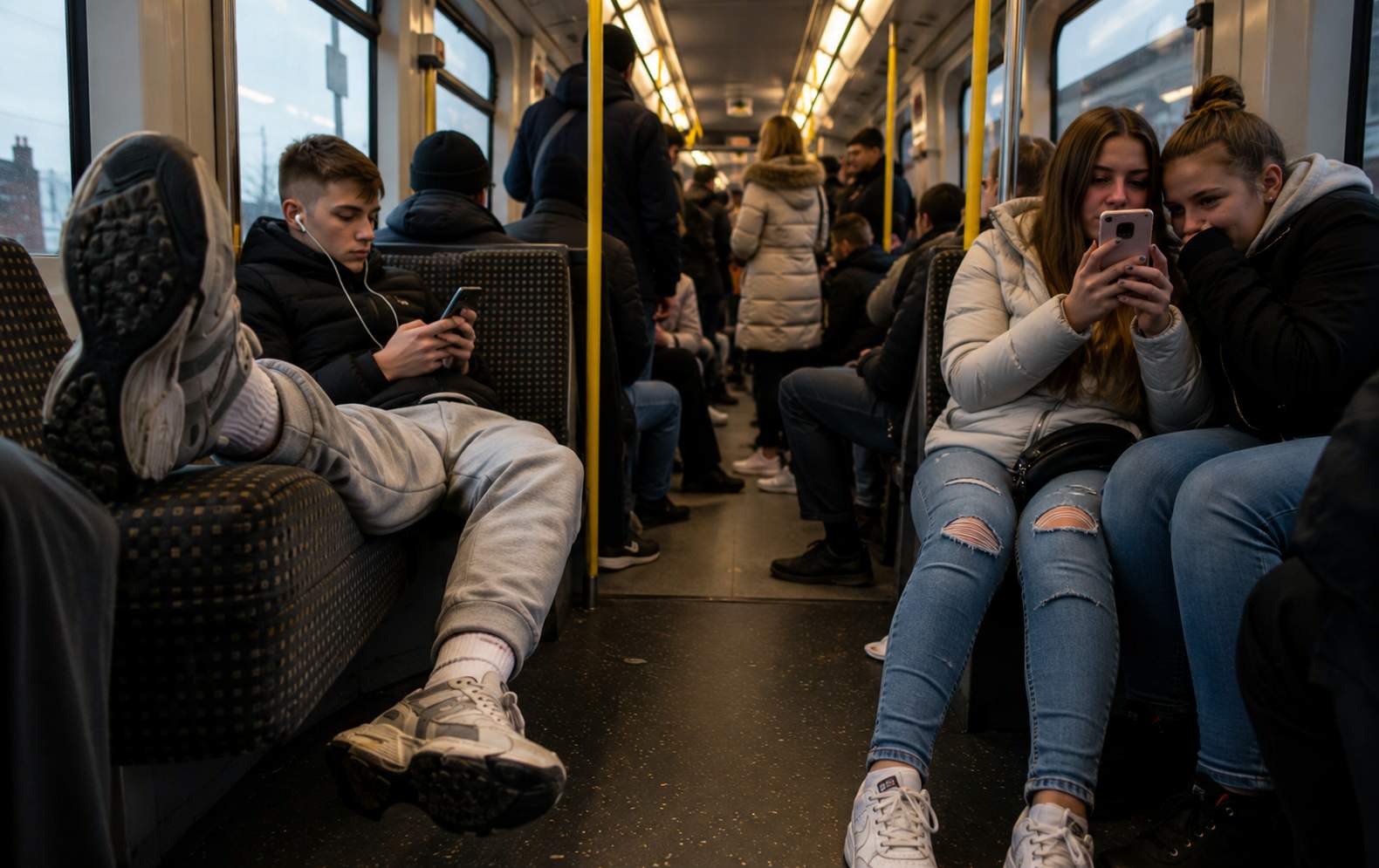
Nobody is handing out rule books at Monument Metro station. There are no official announcements reminding passengers not to blast TikTok videos through their phone speakers or leave muddy trainers stretched across seats.
Yet for thousands of commuters travelling across Newcastle every day, there is an unspoken understanding about how people should behave on public transport.
They are the small things that fall under basic common sense. Let people off before trying to squeeze on. Move down inside the carriage when it is busy. Keep noise to a reasonable level. Do not pretend your backpack needs its own seat during rush hour.
For many Newcastle passengers, these habits are not really about etiquette at all. They are simply about making shared journeys easier for everyone else.
Across the North East, buses and the Metro remain a huge part of everyday life. Workers heading into the city centre, school pupils travelling home, football fans making their way to St James’ Park and families heading to the coast all end up sharing the same public spaces every single day.
That is why so many people feel strongly about the little habits that can either make a journey pleasant or instantly frustrating.
Let people off first - it really is not difficult.
One of the biggest complaints among Metro users in Newcastle is passengers crowding around train doors before people have even stepped off.
Anyone travelling through busy stations such as Monument, Haymarket or Central Station during rush hour will have seen it happen countless times. The doors open and passengers trying to get off are immediately faced with a wall of people trying to barge their way on.
Most regular commuters naturally stand to one side and wait. It speeds things up, prevents awkward pushing and simply makes common sense.
The same applies on buses throughout Newcastle and the wider North East. Allowing passengers off before boarding is one of those unwritten rules most people just expect others to understand without needing to be told.
If everyone can hear your phone, the volume is too loud.
Few things divide Metro passengers quite like loud phone audio.
Whether it is music, TikTok clips, football highlights or full FaceTime conversations on speakerphone, many Newcastle commuters say phone noise has become one of the biggest annoyances on public transport.
Most people understand buses and the Metro are never going to be silent places. Children cry, friends chat and football supporters heading into town will naturally be louder than the average weekday commuter.
But there is a big difference between normal background noise and forcing an entire carriage to listen to videos nobody else chose to watch.
For many passengers, using headphones simply falls into the category of basic awareness for the people around you.
Bags do not deserve their own seat during rush hour.
Every regular Metro or bus passenger in Newcastle has experienced the awkward moment where a packed service has standing passengers while bags continue occupying empty seats.
Most people understand placing bags beside you when services are quiet. But when commuters are packed shoulder to shoulder during rush hour, many passengers believe moving your belongings onto your lap should be automatic.
The frustration usually comes when people avoid eye contact or pretend not to notice others standing nearby looking for seats.
Passengers blocking spaces with shopping bags, backpacks or coats is regularly criticised online by Newcastle commuters who say it creates unnecessary crowding on already busy services.
Again, there are no official etiquette posters explaining this. Most locals simply see it as common sense.
Move down inside the Metro carriage.
Anyone who uses the Metro regularly knows this one all too well.
A carriage looks packed from the platform because passengers are all standing near the doors while large open spaces remain empty further inside.
Meanwhile, people trying to board are left squeezed together despite there being plenty of room available if passengers moved down properly.
Many experienced Metro users instinctively move further inside as soon as they board, particularly during busy morning and evening services.
Passengers standing directly beside the doors while refusing to move further down the carriage has become one of the most common frustrations raised by Newcastle commuters online.
Keep your feet off the seats.
Few habits attract quicker dirty looks on Newcastle public transport than muddy trainers stretched across Metro or bus seats.
Passengers regularly complain about dirty shoes leaving mud and marks on seats used by families, elderly passengers and children throughout the day.
Most people would not put muddy shoes on furniture in their own homes, which is why many commuters struggle to understand why some passengers think it is acceptable on public transport.
It is one of those habits that many Newcastle residents see as an obvious sign of respect for shared public spaces.
Thanking the bus driver still matters in the North East.
One thing many visitors quickly notice about Newcastle and the wider North East is how common it is for passengers to thank bus drivers as they leave.
It happens constantly across local services. A quick "cheers mate" or "thank you driver" has become part of everyday culture throughout the region.
Many local passengers say it reflects the friendly nature the North East is known for. Others simply see it as basic politeness towards drivers dealing with traffic, delays and difficult passengers throughout the day.
While some cities have largely lost that tradition, it remains surprisingly common across Newcastle bus routes.
For many people, it is one of the small habits that still gives public transport in the North East a strong sense of community.
Queueing still matters to Newcastle commuters.
Britain has always had a reputation for queueing and Newcastle passengers are no exception.
At busy Metro stations and bus stops, most people naturally form queues and wait their turn. When someone barges through or jumps ahead, frustration tends to appear instantly.
This becomes especially noticeable after football matches, concerts or school finishing times when platforms and stops become overcrowded.
Most passengers understand that packed services create some chaos. But regular commuters still believe respecting queues and personal space remains one of the unwritten rules that keeps public transport manageable.
Priority seats should actually go to people who need them.
Most Metro and bus passengers across Newcastle are respectful when it comes to offering seats, but commuters say problems still happen during busy journeys.
Elderly passengers, disabled travellers and pregnant women can sometimes be left standing while others stare at their phones pretending not to notice.
Many locals believe offering a seat should not require awkward conversations or confrontation.
Passengers also point out that not every disability is visible. Some people may need seating even if there is no obvious physical condition.
For many regular commuters, awareness and consideration matter far more than strict rules.
Nobody enjoys delays - taking it out on staff helps nobody.
Rush hour delays and crowded services can test anybody’s patience, especially during bad weather or major events in Newcastle city centre.
But many passengers say frustration is too often directed at bus drivers, Metro staff or other commuters who have no control over the situation.
Drivers and station workers regularly deal with angry passengers despite having little influence over traffic congestion, signalling problems or service disruptions.
Many regular travellers believe patience and understanding are just part of using public transport, particularly during busy periods.
Most people are trying to get home, get to work or reach appointments just like everyone else.
Public transport still reflects Newcastle’s community spirit.
Despite the complaints, many passengers still believe buses and the Metro reflect the best parts of Newcastle and the North East.
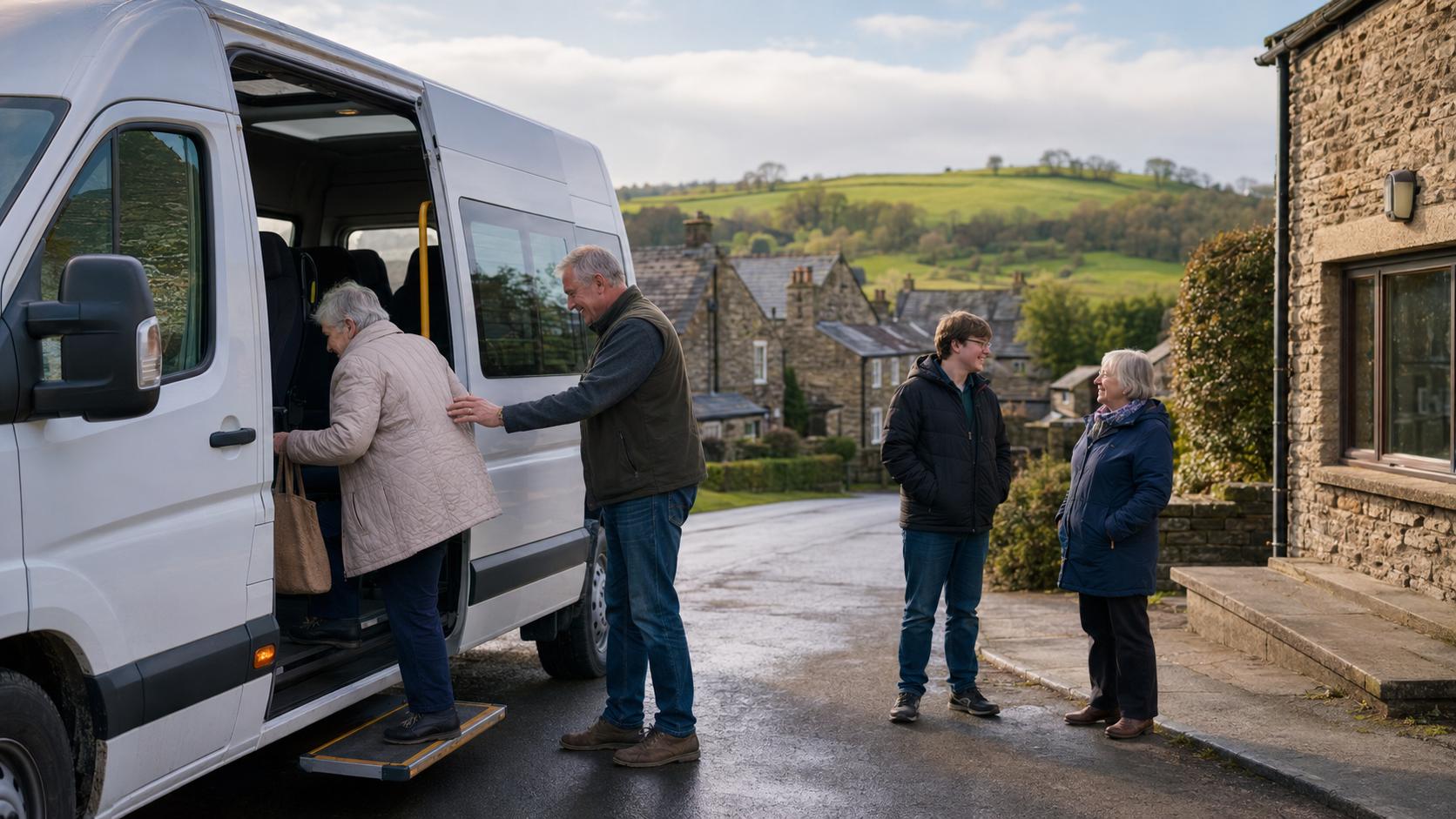
Passengers regularly help tourists with directions, assist parents with prams and offer support to elderly travellers struggling with shopping bags or stairs.
Conversations between strangers still happen regularly on public transport in the North East in ways that feel less common in larger cities.
That sense of community is one reason many locals care so much about these unwritten habits in the first place.
For regular Newcastle commuters, the issue is not really about strict etiquette or policing behaviour. Most people simply believe shared spaces work better when everyone shows a little awareness for the people around them.
Simple things like wearing headphones, moving down the carriage or saying thank you to the driver might seem small individually, but together they shape what daily travel across Newcastle actually feels like.
And for many passengers across the North East, those habits should not need explaining at all. They should just be common sense, unfortunately, common sense doesn't seem as common as it should be these days.
What public transport habit do you think Newcastle passengers should stop doing immediately?
Community News
Newcastle Bus and Metro Habits That Should Be Common Sense
Advertisement



Comments (0)
You must be logged in to post comments.
Don't have an account? Register here
No comments yet. Be the first to share your thoughts!