
Drivers across Newcastle are increasingly finding themselves caught out by confusing parking rules, rising penalties, and aggressive enforcement from both councils and private parking firms.
From busy city centre streets near Grey Street and Eldon Square to supermarket car parks and hospital sites across Tyneside, parking tickets have become a growing source of frustration for motorists. Yet many drivers still do not understand the crucial legal difference between an official council parking fine and a private parking charge issued by a company.
That confusion can prove expensive.
Legal experts say thousands of motorists across Newcastle and the wider UK pay tickets unnecessarily, while others wrongly ignore notices that can eventually lead to court action and damaged credit records.
Understanding exactly what type of parking ticket you have received is the first step in knowing whether you should pay, appeal, or prepare to fight the claim.
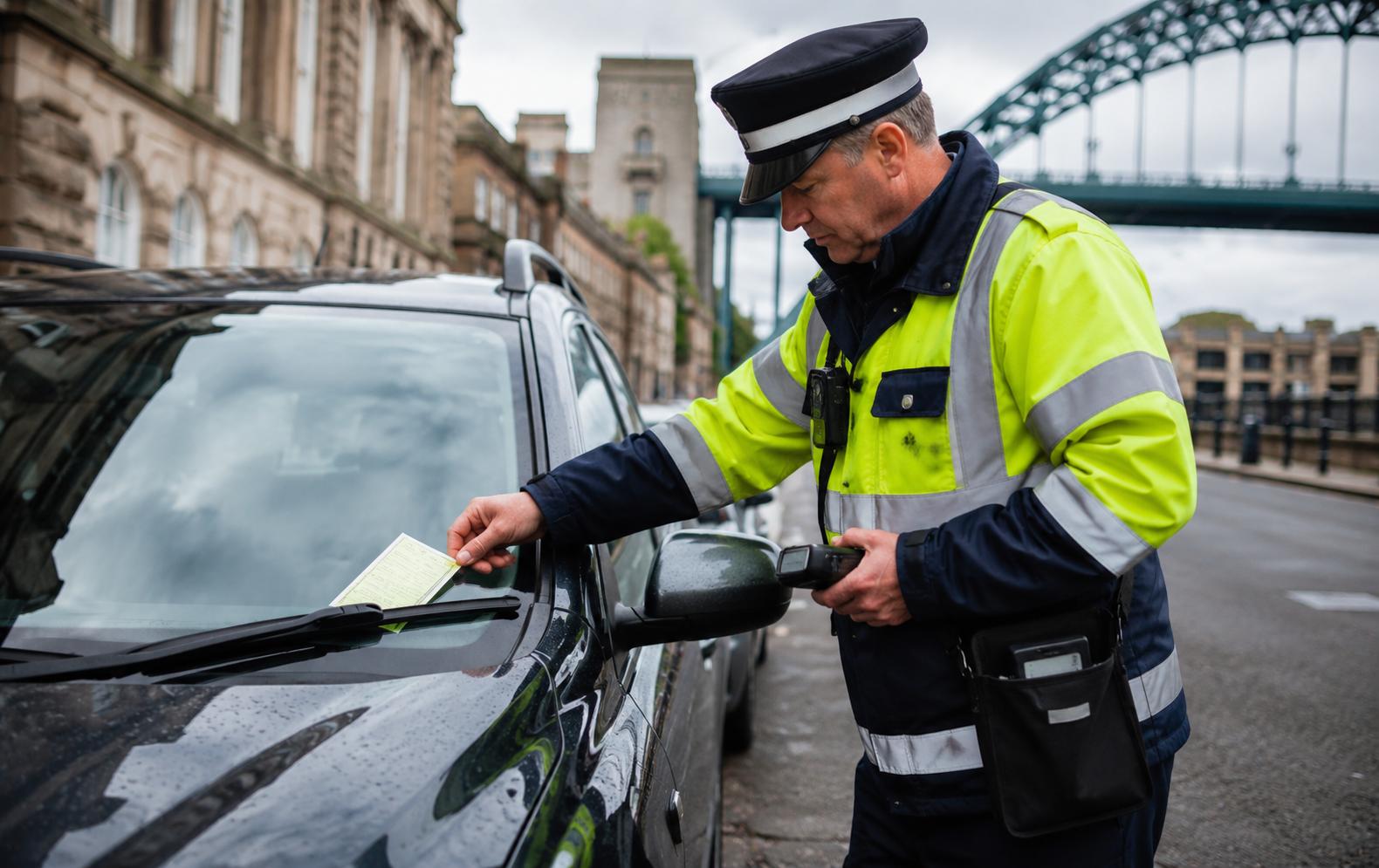
Council parking tickets are legally enforceable.
If you receive a parking ticket from Newcastle City Council, Transport for London, or another local authority, it is an official penalty backed by law.
These are normally called Penalty Charge Notices, commonly shortened to PCNs.
They are issued for offences such as:
Parking on double yellow lines.
Stopping in bus lanes.
Parking without a valid permit.
Overstaying in council-operated bays.
Ignoring loading restrictions.
Across Newcastle, enforcement officers regularly patrol busy areas including the city centre, Quayside, Jesmond, and near St James' Park during major events and matchdays.
Unlike private parking invoices, council fines can escalate quickly if ignored.
If motorists fail to pay or challenge the ticket within the required timeframe, councils can:
Increase the fine.
Register the debt with the court.
Use enforcement agents, also known as bailiffs.
Recover unpaid money through legal enforcement.
Drivers cannot simply ignore a council-issued parking ticket safely.
However, motorists still have the legal right to appeal if they believe the fine was issued unfairly.
Valid grounds for appeal may include:
Incorrect signage.
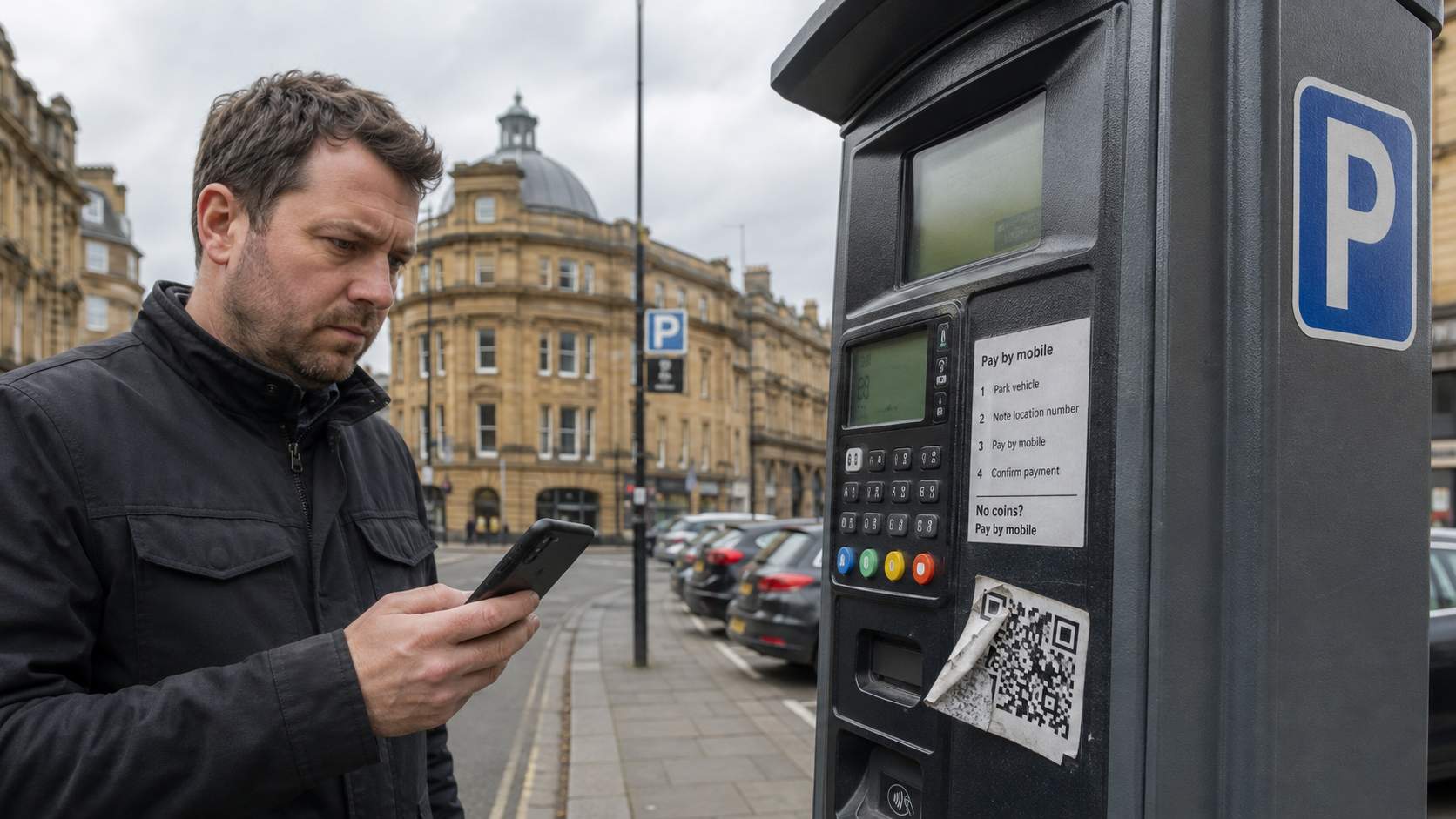
Broken parking machines.
Administrative mistakes.
Medical emergencies.
Valid permits not visible properly.
Most councils offer a 50 percent discount if the fine is paid within 14 days, which is why many drivers decide quickly whether to contest the ticket or settle early.
Private parking tickets are not technically fines.
Private parking tickets are entirely different legally, even though many notices are deliberately designed to look official.
These tickets are usually issued by companies managing private land such as:
Supermarket car parks.
Retail parks.
Apartment developments.
Hospital parking areas.
Hotel car parks.
Drivers in Newcastle frequently report receiving private parking charges at shopping sites, fast food restaurants, and privately managed residential developments.
Legally, these notices are not criminal or council penalties.
Instead, they are considered invoices for allegedly breaching the parking contract displayed on signs around the site.
For example, a company may claim the driver:
Stayed too long.
Failed to enter vehicle details correctly.
Parked outside a marked bay.
Did not pay correctly.
Left the site while parked.
Private firms often use ANPR cameras to record vehicle entry and exit times automatically.
While these tickets do not carry the same immediate legal authority as council fines, they should not automatically be ignored.
Ignoring private parking tickets can still end in court.
Years ago, many consumer websites advised motorists to ignore private parking charges entirely.
That advice is now outdated.
Private parking operators increasingly pursue unpaid tickets through the civil courts, including drivers in Newcastle, London, Manchester, Birmingham, and across the UK.
Companies can request registered keeper details from the DVLA and may issue a civil claim if the charge remains unpaid.
If successful, they may obtain a County Court Judgment, known as a CCJ.
A CCJ can damage credit ratings and create financial difficulties if left unpaid.
That does not mean private parking companies always win.
In fact, many claims are successfully defended or cancelled when motorists challenge them properly.
How to fight a private parking ticket.
Experts say drivers should never panic after receiving a private parking notice.
Instead, they should carefully assess whether the company followed the rules correctly.
Motorists may have strong grounds to appeal if:
Signs were unclear or hidden.
Parking terms were confusing.
Payment machines failed.
ANPR cameras recorded incorrect times.
Grace periods were not provided.
The company failed to comply with legal procedures.
Drivers should immediately:
Photograph all signage.
Keep receipts and payment evidence.
Save correspondence.
Record timelines carefully.
Most parking companies belong to either the British Parking Association or the International Parking Community, both of which require access to formal appeals processes.
If the first appeal fails, motorists may be able to escalate the dispute to an independent adjudicator.
Consumer experts warn drivers not to admit liability too quickly before reviewing the evidence fully.
What to do if a civil claim is issued.
If a private parking company starts court proceedings, motorists should not ignore the paperwork.
Many drivers panic after receiving a Letter Before Claim or official County Court Business Centre forms, but legal specialists say responding calmly and properly is essential.
Drivers should:
Acknowledge the claim promptly.
Never miss court deadlines.
Request all evidence from the parking company.
Challenge unclear signage or contract terms.
Seek legal or consumer advice if unsure.
Importantly, receiving a claim does not automatically mean the parking company will win.
Courts often examine:
Whether signs were clearly visible.
Whether charges were excessive.
Whether legal procedures were followed properly.
Whether the company can prove a contract existed.
Many motorists successfully defend claims by showing poor signage, unfair terms, or procedural failures.
Others negotiate settlements before hearings take place.
Ignoring the court claim entirely, however, is one of the biggest mistakes drivers can make.
London and other UK cities face similar problems.
While Newcastle motorists have seen growing parking enforcement in recent years, drivers in London continue to face some of the highest parking penalties in the country.
In parts of London, council parking fines can exceed £130 before discounts.
Private parking enforcement has also expanded rapidly across retail parks, train stations, and residential developments nationwide.
Consumer groups argue many drivers remain confused because private parking notices often mimic official council documents using words like:
Penalty.
Enforcement.
Contravention.
Fine.
Critics say this contributes to widespread misunderstanding among motorists.
Knowing your rights could save hundreds of pounds.
Parking enforcement is becoming increasingly aggressive across Newcastle and the wider UK, particularly as camera technology allows operators to issue tickets automatically.
For drivers, understanding whether a notice is a council penalty or a private contractual charge is critical.
Official council and police fines carry direct legal enforcement powers.
Private parking charges are civil matters, but they can still become enforceable through court action if ignored carelessly.
Experts say the best protection for motorists is acting quickly, understanding appeal rights, and never ignoring legal correspondence.
Have you fought a parking ticket in Newcastle or elsewhere in the UK? Share your experience in the comments and let other drivers know what happened.
Crime News
Newcastle Drivers Warned Over Parking Tickets - Know Your Legal Rights
Advertisement




Comments (0)
You must be logged in to post comments.
Don't have an account? Register here
No comments yet. Be the first to share your thoughts!