
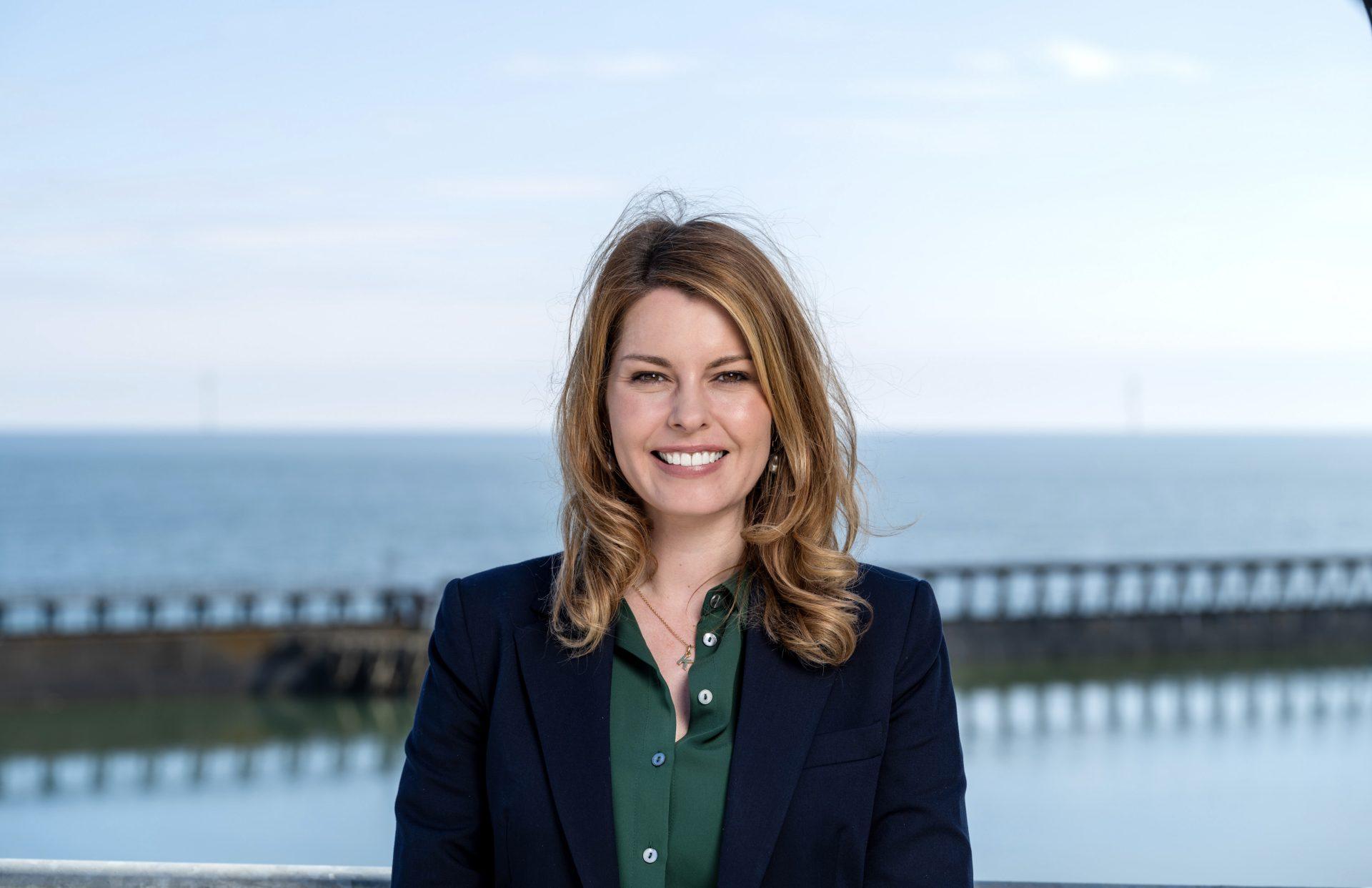
Residents across Newcastle upon Tyne and the wider North East have been invited to question North East Mayor Kim McGuinness directly during a BBC Radio Newcastle phone-in, but the announcement has already sparked strong debate online surrounding the role, cost and visibility of the region’s first elected mayor.
The discussion event, promoted through the North East Mayoral Strategic Authority, encouraged residents to submit questions covering public transport, green energy jobs, child poverty and investment across the North East.
However, while some residents welcomed the opportunity to question the mayor directly, others used social media to express frustration about local politics, mayoral salaries and whether the role itself provides value for taxpayers.
The reaction highlights growing political tensions across parts of the North East as residents continue debating how regional leadership should operate and whether mayoral systems are delivering meaningful improvements for local communities.
The debate also reflects wider frustration surrounding public spending, local government accountability and economic pressure facing households across Newcastle upon Tyne and surrounding areas.
Kim McGuinness became the North East’s first elected mayor in 2024.
Kim McGuinness officially became the first North East Mayor in May 2024 following the creation of the North East Combined Authority mayoral role.
The mayor oversees a region covering Newcastle, Gateshead, Sunderland, North Tyneside, South Tyneside, Northumberland, County Durham and parts of the wider North East.
The position was introduced as part of a major devolution agreement designed to transfer more powers and funding away from central government and into regional leadership.
Supporters of the mayoral model argue it gives the North East a stronger political voice nationally while allowing local leaders to make decisions tailored specifically to the region’s needs.
Critics, however, have questioned whether the position adds another expensive layer of government during a period when many councils and public services already face financial pressure.
Since taking office, Kim McGuinness has focused heavily on transport reform, economic investment, renewable energy opportunities and reducing child poverty across the region.
However, public opinion surrounding the role itself remains divided.
The mayor’s background has become part of the debate.
Kim McGuinness entered the mayoral role with significant political experience already behind her.
Before becoming North East Mayor, she served as Northumbria Police and Crime Commissioner from 2021 until 2024.
During her time in that role, she focused on issues including violence against women and girls, neighbourhood policing and crime prevention strategies across the North East.
Before entering frontline politics, McGuinness also worked within regional policy and public affairs roles linked to regeneration and community development.
Supporters say her background gave her strong experience in regional leadership before becoming mayor.
However, some critics online have questioned whether politicians increasingly move between publicly funded roles without enough direct accountability to ordinary residents.
Comments posted online following the BBC Radio Newcastle announcement included criticism surrounding political salaries, public engagement and the overall purpose of the mayoral system.
One commenter questioned whether the region “really needs a mayor and at what cost”, while others criticised the mayor’s salary and public profile.
Salary criticism continues to attract attention online.
Among the most widely discussed topics online following the announcement was the mayor’s salary.
The North East Mayoral Strategic Authority confirmed publicly that the mayoral allowance in 2024 was set at £92,000 and linked to annual consumer price index increases.
The figure quickly became a focus for criticism among some residents commenting online.
Several questioned whether the salary represented value for money at a time when many households across Newcastle and the wider North East continue facing rising living costs, council tax increases and economic uncertainty.
Others argued regional mayors are necessary if the North East is to compete effectively for national funding and investment.
The debate reflects wider national tensions surrounding political pay and public trust in elected officials.
While supporters argue leadership positions overseeing large regional budgets require competitive salaries and experienced candidates, critics often view political pay through the lens of wider financial pressure affecting ordinary families.
Public engagement has become another major issue.
Another criticism raised repeatedly online involved how the mayor and the North East Combined Authority communicate with residents.
Some users claimed politicians increasingly rely on managed social media accounts and controlled public appearances rather than direct engagement with criticism.
The North East Combined Authority confirmed publicly that its social media accounts are operated by communications officers rather than Kim McGuinness personally.
Some residents argued this creates distance between elected officials and the public.
Others questioned whether phone-in shows and pre-submitted questions allow enough opportunity for difficult or unscripted conversations.
However, the authority pointed out residents could still contact BBC Radio Newcastle directly during the live programme through phone calls, text messages and social media submissions.
The wider debate reflects growing public scepticism around political communication generally, particularly across social media where trust in politicians remains low among many voters.
Transport remains one of the mayor’s biggest priorities.
Despite criticism, transport reform remains one of the key areas where supporters believe the mayor could have major long-term impact across Newcastle and the wider region.
Kim McGuinness has repeatedly spoken about improving public transport affordability and connectivity throughout the North East.
The region has long faced criticism surrounding fragmented bus systems, inconsistent transport links and high travel costs for commuters.
Supporters of devolution argue stronger regional leadership could eventually deliver more integrated transport systems similar to those seen in London or Greater Manchester.
Transport remains especially important for Newcastle upon Tyne because of the city’s role as the economic and employment centre for much of the wider North East region.
Many residents commute daily between Newcastle and surrounding towns using buses, Metro services and rail connections.
Improving transport reliability and affordability therefore remains politically important for both residents and businesses alike.
Green energy investment has become central to regional plans.
Another major focus for Kim McGuinness since taking office has involved attracting green energy investment to the North East.
The region already plays a growing role within Britain’s renewable energy sector, particularly around offshore wind development and clean energy manufacturing.
Projects linked to the Port of Blyth and wider North East industrial areas have increasingly positioned the region as an important part of the UK’s renewable energy transition.
Supporters believe this could eventually create thousands of skilled jobs while helping regenerate former industrial communities across the region.
The mayor has repeatedly highlighted green industry as a major economic opportunity for younger workers and future investment.
Critics, however, argue many residents remain more immediately concerned about day-to-day issues such as housing costs, crime, council services and household finances.
Balancing long-term economic development with immediate public concerns remains one of the biggest political challenges facing regional leadership.
Child poverty and inequality remain major concerns.
Tackling child poverty has also become one of the defining themes of McGuinness’ political messaging since becoming mayor.
Parts of Newcastle upon Tyne and the wider North East continue experiencing some of the highest deprivation levels in England.
Campaigners have repeatedly warned about rising food insecurity, low wages and the growing number of families relying on support services throughout the region.
The mayor has spoken publicly about improving opportunities for young people and reducing inequality through investment, skills development and economic growth.
However, critics argue many residents want clearer evidence showing how regional leadership is directly improving daily life.
Political frustration across parts of the North East has remained high in recent years due to economic stagnation, pressure on public services and wider national political division.
Newcastle residents remain divided over regional politics.
The online reaction surrounding the BBC Radio Newcastle phone-in demonstrates how divided public opinion remains around regional politics and devolution.
Some residents support the idea of stronger North East leadership and believe regional mayors can help secure investment traditionally concentrated in London and the South East.
Others remain deeply sceptical about whether additional political structures genuinely improve local communities.
The criticism aimed at Kim McGuinness also reflects wider distrust towards politicians generally, particularly during periods of economic pressure and political polarisation.
At the same time, supporters argue regional mayors need time to deliver long-term projects which may take years before visible benefits fully emerge.
The North East mayoral system itself remains relatively new, meaning many residents are still forming opinions about what the role should achieve.
The pressure on regional leadership is unlikely to ease.
As economic challenges continue affecting households across Newcastle upon Tyne and the wider North East, scrutiny surrounding political leadership is unlikely to disappear anytime soon.
Questions surrounding transport, investment, public spending and accountability are expected to remain major political issues over the coming years.
For Kim McGuinness, balancing ambitious long-term regional projects with growing public frustration over living costs and political trust may become one of the defining challenges of her time as mayor.
The BBC Radio Newcastle phone-in is therefore likely to attract significant attention not only because of the topics being discussed but because it reflects wider public feeling across the region.
For some residents, the mayor represents an opportunity for stronger North East leadership and investment.
For others, the role still remains something they are not fully convinced the region truly needs.
Do you think the North East Mayor role is helping Newcastle and the wider region?
Share your thoughts in the comments and join the debate about regional leadership, investment and the future of the North East.
Local News
North-East Mayor Kim McGuinness Faces Questions Over Cost and Priorities
Advertisement



Comments (0)
You must be logged in to post comments.
Don't have an account? Register here
No comments yet. Be the first to share your thoughts!