
Frustration is continuing to grow among Newcastle Metro passengers, with commuters across the region complaining about the same recurring problems affecting daily journeys on the Tyne and Wear Metro network.
From repeated delays and last-minute cancellations to overcrowded platforms, antisocial behaviour and ageing trains, many passengers say using the Metro has become increasingly stressful and unreliable in recent years.
Commuters travelling through Newcastle city centre stations including Monument, Haymarket and Central Station have taken to social media to share complaints about disrupted journeys, packed carriages and long waiting times, particularly during rush hour periods.
While many passengers acknowledge that the Metro remains an important part of life in the North East, growing numbers say confidence in the service has been damaged by what they describe as ongoing operational issues.
The complaints come during a major transition period for the Metro network as Nexus continues rolling out its new fleet of trains designed to modernise the ageing system.
Delays And Cancellations Remain The Biggest Complaint.
One of the most common frustrations raised by Newcastle Metro users is the frequency of delays and cancellations across the network.
Passengers say journeys are often disrupted by signalling problems, train faults, staffing shortages and technical issues, leaving commuters stranded or forced to make alternative travel arrangements at short notice.
Many workers travelling into Newcastle city centre say they now leave home significantly earlier than necessary because they no longer trust the reliability of Metro timetables.
Rush hour disruption appears to be causing particular frustration, especially for passengers travelling between Newcastle, Gateshead, Sunderland and South Tyneside.
Some commuters claim they regularly experience trains disappearing from departure boards moments before arrival, while others say service updates are not always communicated clearly enough during disruptions.
For students, office workers and hospital staff relying on public transport every day, repeated delays are creating growing anger across the region.
Overcrowding Is Becoming A Daily Issue For Many Passengers.
Another major issue regularly raised by Metro users is overcrowding, especially during peak commuting times and major events in Newcastle city centre.
Passengers travelling through busy stations such as Monument and Central Station often report packed platforms and overcrowded carriages, particularly on routes serving South Shields, Airport and Sunderland.
Some commuters say trains can become so crowded that passengers are forced to stand pressed together for long periods, making journeys uncomfortable and stressful.
Families and elderly passengers have also voiced concerns about difficulty accessing seats during busy periods, while wheelchair users and parents with prams sometimes struggle to board full trains.
Although Nexus has begun introducing new Metro trains aimed at improving capacity and reliability, many passengers believe improvements are not happening quickly enough to address current demand.
Major football matches, concerts and city centre events can also place additional pressure on the network, leading to long queues and overcrowded stations late into the evening.
Antisocial Behaviour And Safety Concerns Continue To Frustrate Users.
Safety concerns are another issue frequently raised by Newcastle Metro passengers, particularly during evening services.
Some users say antisocial behaviour including shouting, vaping, aggressive behaviour and fare evasion has become increasingly common on parts of the network.
Passengers travelling late at night have described feeling uncomfortable or unsafe on quieter services, especially when security staff are not visible.
Teenagers causing disruption on trains and stations are often highlighted in complaints shared online, with some commuters saying they avoid certain routes during evenings because of repeated incidents.
Women travelling alone have also spoken publicly about concerns surrounding harassment and personal safety while using public transport after dark.
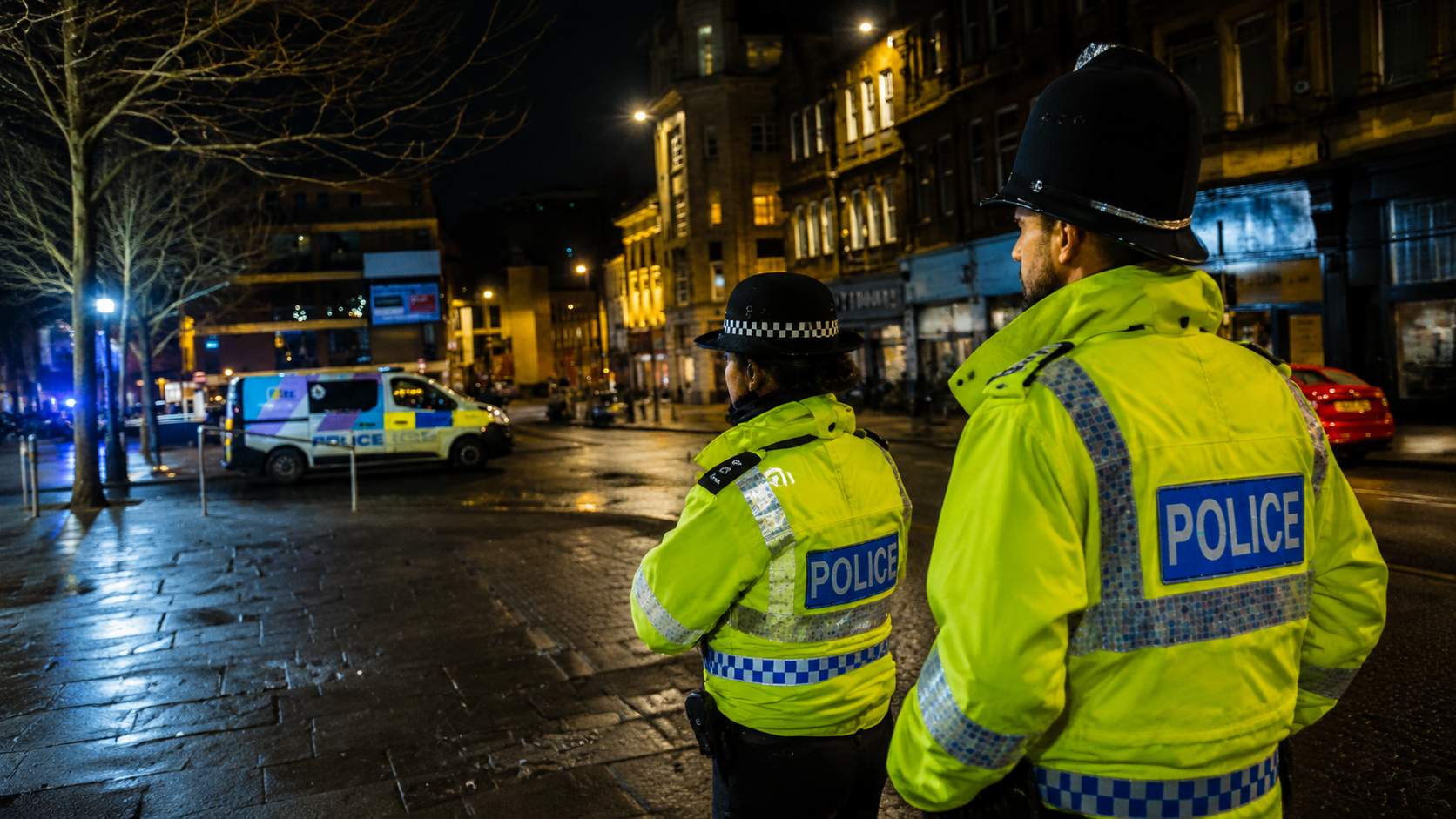
Nexus and British Transport Police regularly carry out operations targeting antisocial behaviour, but some passengers believe a stronger visible presence is needed across stations and trains.
Despite these concerns, many commuters continue to praise Metro staff for handling difficult situations professionally under challenging circumstances.
The Ageing Metro System Is Showing Its Problems.
Many passengers believe a large number of the Metro’s problems stem from the age of the overall system itself.
The Tyne and Wear Metro first opened in 1980, and while it remains one of the UK’s largest light rail networks, parts of the infrastructure are now decades old.
Ageing trains, outdated signalling systems and increasing maintenance demands have all contributed to reliability concerns in recent years.
Until recently, much of the Metro fleet had remained in service for more than 40 years, leading to regular technical faults and breakdowns.
Passengers say the ageing trains often suffer from heating problems, poor ventilation and mechanical issues that cause delays across the network.
Nexus has already started introducing a new fleet of Stadler trains as part of a major modernisation programme, with transport officials promising better reliability, improved accessibility and more comfortable journeys in the future.
However, many commuters say they are unlikely to regain full confidence in the service until they see consistent improvements across the entire network.
Newcastle Commuters Still Depend Heavily On The Metro.
Despite growing complaints, the Metro remains one of the most important forms of public transport in Newcastle and the wider North East.
Thousands of people rely on the system every day to travel to work, school, university, hospitals and major shopping areas across the region.
For many residents without access to cars, the Metro remains essential for daily life.
Environmental campaigners also argue that improving public transport reliability is critical if Newcastle and surrounding areas are to reduce traffic congestion and encourage more sustainable travel.
Transport experts warn that continued passenger frustration could damage public confidence in the long term if reliability issues are not addressed.
At the same time, many commuters say they want the Metro to succeed because it remains a key part of the region’s identity and infrastructure.
Passengers Hope New Trains Will Improve The Situation.
The arrival of new Metro trains is seen by many passengers as a major opportunity to improve the overall service.
The modern trains are expected to offer greater reliability, improved accessibility, air conditioning, digital information screens and more comfortable seating compared to the ageing fleet currently operating across the network.
Nexus has repeatedly stated that the investment represents the biggest upgrade in the Metro’s history.
However, some passengers remain sceptical and believe improvements must also include better communication during disruptions, increased staffing and stronger safety measures.
Many Newcastle commuters say they simply want a service that feels dependable, safe and consistent every day rather than facing repeated uncertainty during routine journeys.
With public pressure continuing to grow, transport leaders are likely to face increasing scrutiny over how quickly improvements can be delivered across the network.
Are you experiencing delays, overcrowding or safety concerns on the Newcastle Metro? Share your experiences in the comments and tell us what changes you think would improve the Metro.
Local News
Newcastle Metro Passengers All Complaining About The Same Problems
Advertisement




Comments (0)
You must be logged in to post comments.
Don't have an account? Register here
No comments yet. Be the first to share your thoughts!