
People across Newcastle and the wider North East are being urged to stay alert online following a major international investigation into organised romance fraud and cybercrime networks operating across the UK and Nigeria.
The warning comes after dozens of suspected scammers and fraudsters were arrested as part of Operation Seraphim, a large-scale investigation involving the City of London Police, the National Crime Agency, financial crime specialists, and the Nigerian Police Force’s cybercrime division.
Investigators say the operation uncovered highly organised criminal groups linked to online scams, money laundering, and romance fraud schemes that have devastated victims emotionally and financially.
While the arrests were carried out in multiple locations across Europe and Africa, fraud experts say the case highlights a growing risk facing internet users everywhere in the UK, including residents throughout Newcastle and the North East.
International Fraud Networks Exposed In Major Police Operation.
A total of 31 arrests have now been made during the investigation, which targeted individuals suspected of helping organised criminals carry out sophisticated online fraud.
In one raid this month, police arrested a man in the Midlands suspected of selling personal banking information online and assisting criminal operations through money laundering activities.
Officers seized two Rolex watches and around £3,000 in cash from the property during the operation. Investigators believe the suspect was connected to wider fraud networks operating internationally.
Images released from the investigation showed heavily equipped officers carrying out coordinated raids on properties linked to the case. Authorities say months of intelligence gathering and digital monitoring were required before the arrests took place.
Police involved in Operation Seraphim say modern fraud gangs are increasingly difficult to track because many criminals operate across borders using encrypted messaging platforms, social media accounts, and anonymous online identities.
Romance Fraud Continues To Rise Across The UK.
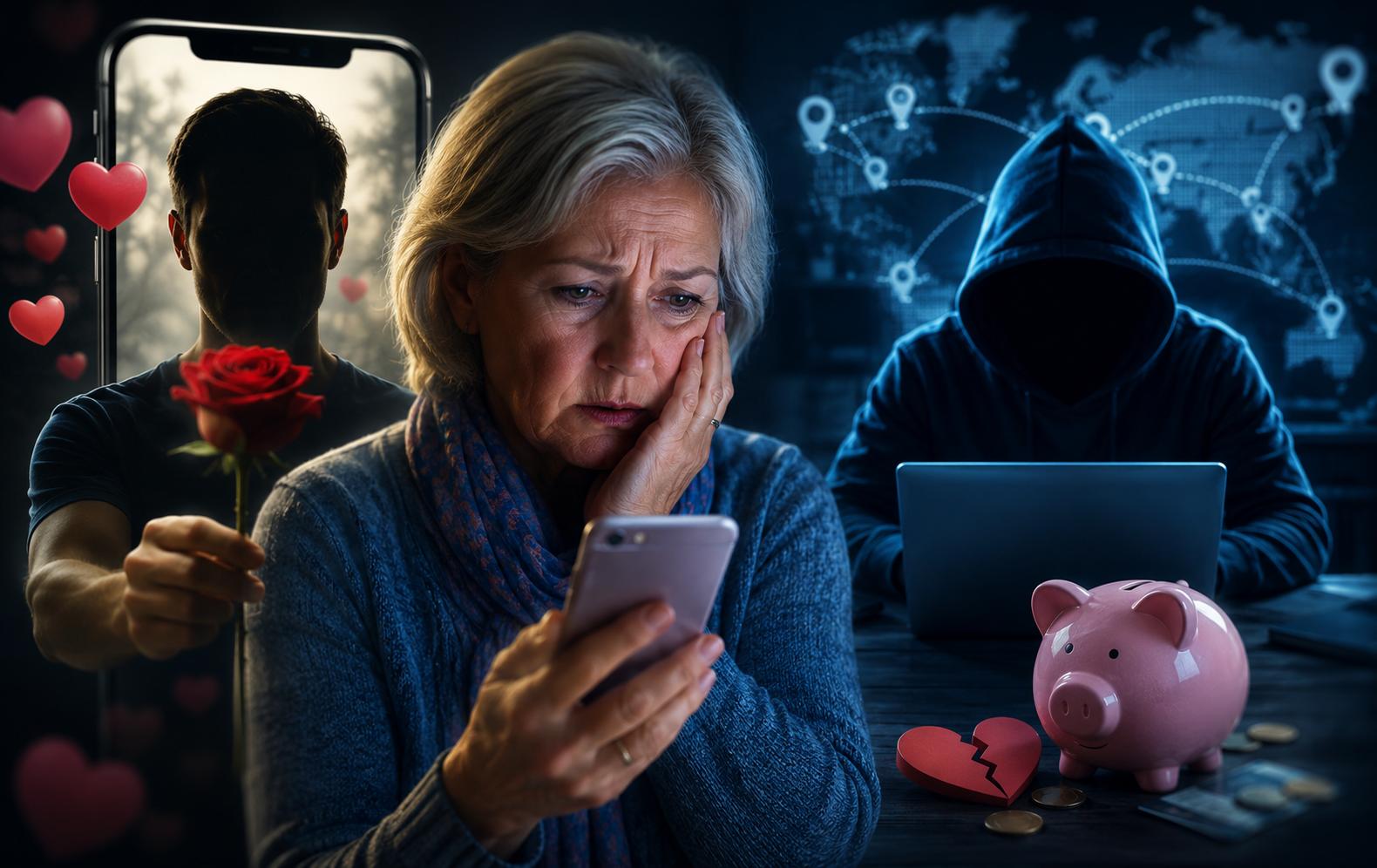
One of the key focuses of the investigation is romance fraud, a type of online scam where criminals manipulate victims emotionally before persuading them to transfer money.
Fraud investigators say these scams are becoming increasingly sophisticated and often involve criminals spending months building trust with victims through dating apps and social media platforms.
Authorities are now encouraging people in Newcastle and across the North East to remain cautious when forming online relationships, particularly where financial requests become involved.
Experts say romance fraud can affect people of all ages and backgrounds, although criminals often target individuals who may be emotionally vulnerable, isolated, or recovering from difficult personal circumstances.
The investigation highlighted the experience of North Yorkshire florist Kirsty Guest, who lost more than £80,000 after becoming involved with a man calling himself “Patrick” on a dating app.
According to Guest, the relationship developed slowly over time and initially appeared completely genuine.
“He built a rapport with me. There was no rush,” she explained.
The pair discussed their lives, childhood experiences, and places they had lived, helping create what she believed was a real emotional connection.
“There were no red flags,” she said.
Like many victims of romance fraud, she described looking forward to his messages and phone calls as the relationship deepened over several months.
How Online Romance Scammers Manipulate Victims.
Investigators say organised romance scammers are highly skilled at psychological manipulation and emotional grooming.
In many cases, fraudsters spend significant time learning about their victims before introducing fake emergencies or financial problems designed to create sympathy and urgency.
Guest recalled how the situation changed when the man she believed she was in a relationship with claimed he had been injured while travelling abroad for business.
“He said he'd been in an accident,” she said.
Wanting to help someone she cared about, she agreed to assist with financial matters after being shown bank details which appeared to confirm he was wealthy.
Police say this tactic is extremely common in romance fraud investigations. Criminals often pretend to be successful professionals, business owners, or overseas workers before fabricating emergencies involving accidents, legal trouble, medical bills, or frozen bank accounts.
Gradually, the requests for money become larger and more frequent.
Over time, Guest transferred more than £80,000 to accounts believed to belong to so-called “money mules” used by fraud networks to move stolen funds between multiple bank accounts.
Investigators say victims are often manipulated so effectively that they continue believing the relationship is genuine even after friends or relatives raise concerns.
Newcastle And North East Residents Urged To Stay Vigilant.
Fraud experts involved in the investigation say people across Newcastle upon Tyne and the wider North East should remain aware of the warning signs linked to online scams.
Authorities stress that anyone can become a target and that modern fraudsters are becoming increasingly professional in their methods.
Cybercrime specialists say dating apps, social media platforms, and online messaging services are frequently used by scammers searching for potential victims.
Police are advising residents to be cautious if online contacts begin discussing financial difficulties, requesting money transfers, or asking for help accessing bank accounts.
Requests involving secrecy, emotional pressure, or urgent emergencies should also be treated as major warning signs.
Experts recommend speaking with trusted friends or family members before sending money to someone met online, no matter how convincing the relationship may appear.
Banks and fraud prevention organisations have also encouraged people throughout Newcastle and the North East to report suspicious online behaviour quickly so investigations can begin earlier.
How To Identify Online Dating Scams.
Fraud investigators say one of the biggest challenges surrounding romance scams is that many victims do not realise they are being manipulated until significant emotional and financial damage has already been done.
Authorities are now encouraging people across Newcastle and the wider North East to become more familiar with the warning signs commonly linked to online dating scams.
According to cybercrime experts, romance fraudsters often follow similar patterns when targeting victims online. While every case is different, investigators say there are several common behaviours people should watch for when speaking to someone through dating apps, social media, or messaging platforms.
One of the most common warning signs is when a person quickly attempts to build an intense emotional connection despite never meeting in real life. Scammers often send frequent messages, compliments, and declarations of affection in order to gain trust rapidly.
Police say fraudsters will also frequently avoid face-to-face meetings or video calls. They may claim to be working abroad, travelling for business, serving in the military, or dealing with emergencies that prevent them from meeting in person.
Another major red flag is any request involving money, financial help, cryptocurrency, gift cards, or bank transfers. Investigators stress that genuine relationships should never begin with repeated financial emergencies or requests for urgent assistance.
Experts also warn that scammers often create dramatic stories designed to trigger sympathy. These may include claims involving medical emergencies, accidents, legal issues, frozen bank accounts, or travel problems overseas.
In many cases, criminals will pressure victims into keeping the relationship private from friends and family. Fraud specialists say isolation is an important tactic used by scammers because outside opinions can expose inconsistencies in their stories.
Authorities are also urging people to pay attention to inconsistencies in conversations, unusual grammar, copied photographs, or profiles that appear overly polished and unrealistic.
Cybercrime teams say reverse image searches can sometimes reveal profile photos stolen from unrelated social media accounts or websites.
Elderly People Considered Particularly Vulnerable.
Fraud prevention experts say elderly people can be especially vulnerable to romance scams and online fraud, particularly those living alone or experiencing loneliness.
Investigators say criminals often deliberately target older individuals because they may be less familiar with modern online scam tactics and more likely to trust long-term conversations that appear caring or supportive.
Police and charities across the UK have repeatedly warned that older victims are sometimes manipulated over periods lasting months or even years before money is requested.
The emotional impact on elderly victims can also be severe, with many suffering anxiety, depression, embarrassment, and social withdrawal after discovering they have been deceived.
Authorities in Newcastle and across the North East are encouraging families to maintain open conversations with elderly relatives about online safety and romance scams.
Experts recommend checking in regularly with older family members who may be using dating platforms or social media and encouraging them to speak openly if online contacts begin requesting money or personal financial information.
Banks and fraud prevention organisations also advise elderly people to seek a second opinion from trusted relatives or friends before making large transfers connected to online relationships.
Investigators stress that victims should never feel ashamed about reporting scams because professional fraudsters are highly skilled at emotional manipulation and deception.
Specialist Financial Crime Teams Working Behind The Scenes.
Operation Seraphim has also revealed the extensive work carried out behind the scenes by specialist financial investigators and cybercrime experts.
The investigation involves the Cyber Defence Alliance, also known as the CDA, a financial crime unit funded by major banks and staffed by specialists from law enforcement, intelligence agencies, and the finance industry.
The organisation has spent years quietly tracking organised fraud groups responsible for stealing millions of pounds from victims across the UK.
Working from a secure operations centre in Canary Wharf, investigators analyse patterns in banking data, monitor online activity, and gather evidence connected to criminal fraud networks.
Authorities involved in the case say many scammers openly share fraud techniques online through underground forums and encrypted groups.
These discussions can include advice on building fake banking websites, laundering stolen money, and manipulating victims emotionally through romance scams.
Craig Rice, who leads the CDA, warned that the criminals involved are causing enormous damage to victims’ lives.
“These are not just gentlemen thieves, confidently swindling us of a few pennies here and there,” he said.
“They're ruining lives and creating misery.”
Investigators Say Online Fraud Is Becoming More Advanced.
According to investigators, organised fraud networks are constantly adapting their methods to avoid detection.
Many scams now involve highly convincing fake identities, cloned websites, forged documents, and social media profiles designed to appear completely legitimate.
Police say criminals are also becoming increasingly skilled at exploiting human emotion and trust, making scams harder for victims to recognise.
The investigation has already contributed to around 500 arrests linked to organised fraud activity over recent years, according to officials connected to the operation.
Authorities believe international cooperation between law enforcement agencies has become essential because many online scam networks now operate across multiple countries simultaneously.
Detective Inspector Joel Gregory from the City of London Police said the investigation demonstrated the importance of collaboration between police, banks, and international agencies.
“The scale and complexity of online fraud means no single organisation can tackle it alone,” he explained.
He added that coordinated action had helped authorities identify offenders, build intelligence, and disrupt criminal activity more effectively.
Victims Often Face Long-Term Emotional Trauma.
While financial losses from romance scams can be devastating, investigators say the emotional impact can often be even more damaging.
Victims frequently experience shame, embarrassment, anxiety, and loss of trust after discovering they have been manipulated by someone they believed genuinely cared for them.
Even after police became involved in Guest’s case, the fraudster reportedly continued contacting her, apologising and claiming he loved her before asking for more money.
Eventually, she realised the relationship had been entirely fabricated.
“I was angry because I knew what I'd just done,” she said.
“I was angry because I knew that I'd lost everything.”
Fraud experts say feelings like these are extremely common among victims and often prevent people from reporting scams immediately.
Support organisations continue encouraging victims to come forward without embarrassment, stressing that professional fraudsters are trained specifically to exploit trust and emotional vulnerability.
Police Continue Warning About Online Safety.
As investigations into organised fraud networks continue, authorities are urging people across Newcastle and the wider North East to stay cautious online and report suspicious behaviour quickly.
Police recommend never transferring money to someone met exclusively online, regardless of how trustworthy or convincing they may appear.
Experts also advise internet users to be cautious about sharing personal information, financial details, or copies of identification documents with online contacts.
Fraud investigators say greater awareness and earlier reporting could help prevent future victims from losing significant amounts of money.
Operation Seraphim also sends a strong message that international fraud networks are being actively monitored by law enforcement agencies working together across multiple countries.
For residents in Newcastle and throughout the North East, the case serves as an important reminder that online scams are becoming more advanced and emotionally manipulative than ever before.
Have you noticed an increase in suspicious online messages or scam attempts in Newcastle or the North East? Share your experiences and advice in the comments to help others stay safe online.
Crime News
Older Newcastle Residents Warned Over Rise Of Online Dating Scams
Advertisement



Comments (0)
You must be logged in to post comments.
Don't have an account? Register here
No comments yet. Be the first to share your thoughts!