
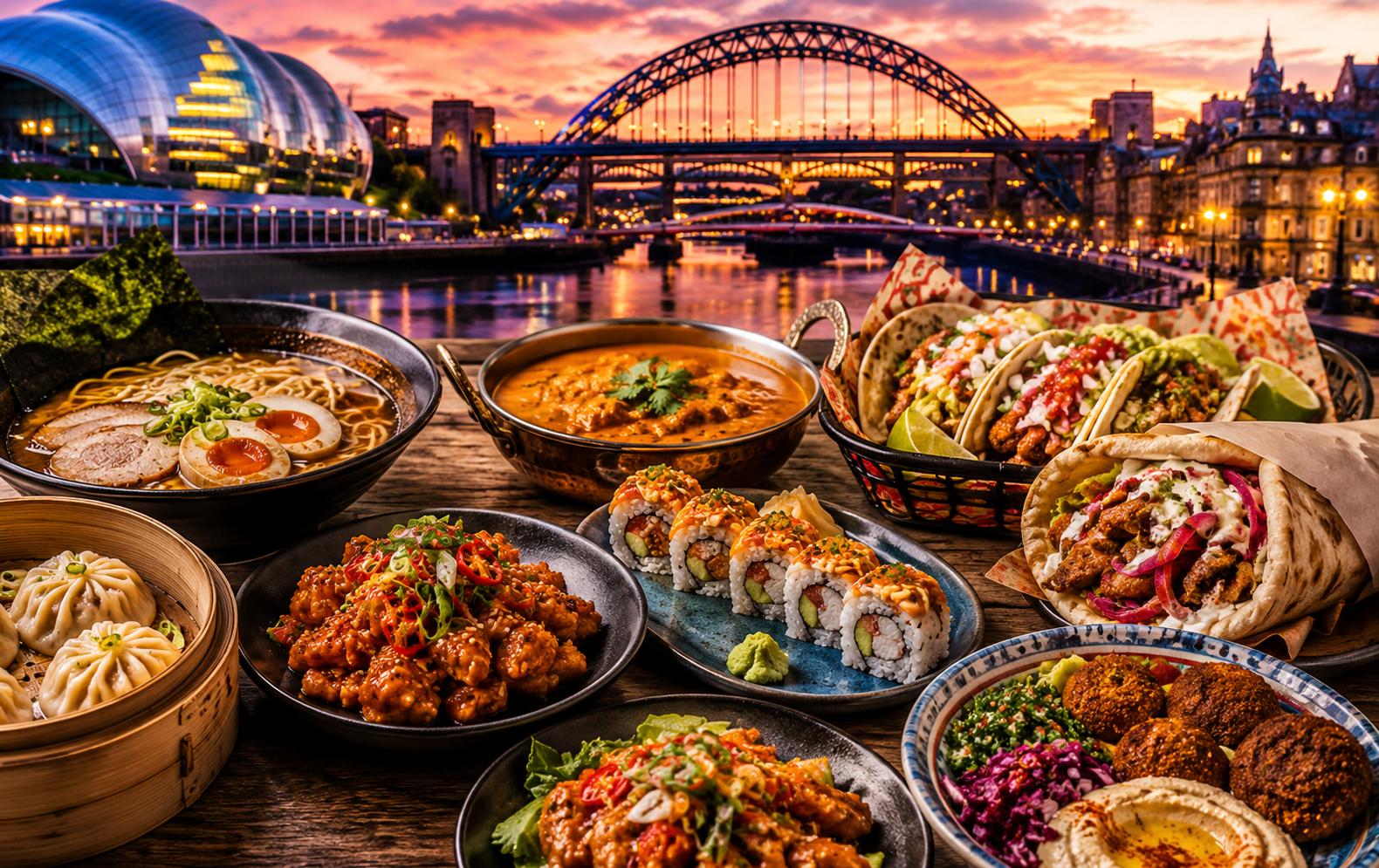
Newcastle’s restaurant scene has undergone a dramatic transformation in recent years, with international cuisine becoming one of the biggest success stories in the city’s hospitality industry.
From Korean barbecue and authentic Japanese ramen to Turkish grills, Mexican street food and Middle Eastern bakeries, diners across Newcastle are embracing flavours from around the world at a pace never seen before.
What was once a city largely dominated by traditional British pubs, Italian chains and curry houses has evolved into one of the North East’s most diverse food destinations. Independent restaurant owners say customer demand for authentic global dishes has surged, particularly among younger diners searching for unique culinary experiences.
The rise of social media, international travel and food delivery apps has also played a major role in reshaping eating habits across Newcastle.
Many restaurant owners now believe the city is entering a new era where international food culture is no longer considered a niche market, but a major part of Newcastle’s identity.
Independent restaurants are leading the trend.
One of the biggest changes within Newcastle’s food industry has been the rise of independently owned international restaurants.
Areas including Grainger Street, Heaton, Jesmond, Ouseburn and the Quayside have all seen an increase in small businesses specialising in authentic global cuisine. Rather than offering heavily westernised menus, many restaurants are now focusing on traditional cooking techniques and ingredients to attract customers seeking genuine cultural experiences.
Local food experts say diners have become far more adventurous over the past decade.
Newcastle residents are increasingly willing to try unfamiliar dishes, regional specialities and bold flavours that would once have struggled to gain mainstream popularity.
The growth of international student populations at Newcastle University and Northumbria University has also influenced the city’s dining landscape. Students and visitors from across Asia, Europe, Africa and the Middle East have created demand for authentic comfort food from their home countries.
In response, restaurant owners have invested heavily in menus that reflect genuine regional cuisine rather than simplified versions aimed purely at British audiences.
Social media has changed the way people choose restaurants.
Platforms such as TikTok and Instagram have become hugely influential in Newcastle’s restaurant industry.
Brightly coloured dishes, sizzling street food platters and visually striking desserts regularly attract thousands of online views, helping independent restaurants grow rapidly through viral attention.
Many Newcastle food businesses now design parts of their restaurant experience specifically with social media in mind. Open kitchens, neon interiors, dramatic presentation and limited edition menu items have all become common features across the city.
Food influencers and local bloggers are also playing an increasingly important role in shaping customer demand.
Restaurants that gain popularity online can quickly see queues forming outside their doors within days. Several international eateries in Newcastle have experienced major spikes in visitors after clips showcasing signature dishes gained traction on social media platforms.
Hospitality experts say this digital exposure has levelled the playing field between independent venues and larger chain restaurants.
Newcastle diners are prioritising authenticity.
Authenticity has become one of the most important factors for modern diners choosing where to eat in Newcastle.
Customers are now more informed about global cuisine than ever before, with many seeking dishes that closely reflect the food they have experienced while travelling abroad.
Restaurant owners say people are increasingly interested in regional recipes, traditional cooking methods and culturally authentic ingredients.
This shift has encouraged many chefs to move away from generic menus in favour of more specialised offerings.
Japanese restaurants are focusing on handmade ramen broths and premium sushi. Mexican venues are introducing slow-cooked birria tacos and authentic street corn. Korean restaurants are expanding beyond fried chicken to offer barbecue dining and traditional stews.
Middle Eastern cuisine has also grown rapidly in popularity, particularly among younger diners looking for healthy and flavour-packed meals.
Industry figures believe Newcastle consumers are now prioritising quality and originality over familiarity.
Food halls and street food markets continue to expand.
Another major factor behind Newcastle’s international food boom has been the rise of food halls and street food markets.
Venues such as STACK and other pop-up food destinations have created opportunities for smaller businesses to introduce international cuisine to wider audiences without the enormous costs associated with opening full restaurants.
Street food traders have helped bring a huge range of global dishes into Newcastle city centre, often introducing customers to cuisines they may never have previously considered trying.
Experts say the casual nature of food markets has encouraged experimentation among diners. Customers are often more willing to sample unfamiliar foods when purchasing smaller dishes in relaxed social settings.
The popularity of food festivals across the North East has also contributed to growing interest in global cuisine.
Events celebrating Asian food, Latin American cooking and international street food regularly attract large crowds and generate significant attention online.
Many successful Newcastle restaurants originally began as small food stalls before eventually expanding into permanent venues.
International cuisine is boosting Newcastle’s night-time economy.
Restaurant growth is also helping strengthen Newcastle’s wider economy and nightlife sector.
Hospitality leaders say international restaurants are attracting visitors from across the North East and beyond, particularly during weekends and major events.
The city’s food scene has become an important part of Newcastle’s tourism appeal, with visitors increasingly searching online for unique dining experiences before travelling.
This shift has benefited not only restaurants but also nearby bars, hotels and entertainment venues.
Many international eateries now stay open later into the evening, helping create a more diverse night-time economy beyond traditional pubs and clubs.
Industry representatives believe food tourism could become increasingly important for Newcastle in the coming years, particularly as consumers continue prioritising experiences over material spending.
Newcastle’s affordability compared with London and Manchester has also made the city attractive for ambitious chefs and independent business owners hoping to establish innovative concepts.
Challenges still remain for restaurant owners.
Despite the growth in popularity, restaurant owners continue to face major pressures.
Rising food costs, increasing energy bills and staffing shortages remain significant concerns across Newcastle’s hospitality sector.
Many businesses are also competing in an increasingly crowded market where customer expectations continue rising.
Restaurant owners say maintaining authenticity while balancing affordability can be difficult, particularly when importing specialist ingredients from overseas.
Some independent venues have also struggled with fluctuating city centre footfall and changing consumer spending habits during periods of economic uncertainty.
However, many businesses remain optimistic about the future.
Hospitality experts believe Newcastle’s appetite for international cuisine is now deeply embedded within the city’s culture and unlikely to disappear.
Newcastle’s global food culture shows no signs of slowing down.
The transformation of Newcastle’s restaurant scene reflects wider cultural changes happening across the UK.
Consumers are increasingly open to exploring new flavours, learning about different cultures and supporting independent businesses offering unique experiences.
For Newcastle, this shift has helped create one of the most exciting and diverse food scenes in northern England.
From hidden family-run cafés to packed modern food halls, international cuisine is now shaping how the city eats, socialises and experiences nightlife.
Restaurant owners believe the next few years could bring even more diversity as emerging cuisines continue gaining popularity and entrepreneurs introduce fresh ideas to the North East market.
As customer demand grows, Newcastle’s reputation as a destination for global food experiences is expected to strengthen even further.
The city may once have been known mainly for traditional pubs and nightlife, but its growing international restaurant scene is quickly becoming one of its biggest attractions.
Which international restaurant in Newcastle do you think deserves more attention right now? Have you discovered any hidden food gems in the city that more people need to try?
Food & Drink News
Newcastle’s food scene is becoming more global than ever.
Advertisement




Comments (0)
You must be logged in to post comments.
Don't have an account? Register here
No comments yet. Be the first to share your thoughts!