
The North East Probation Service is facing growing pressure as rising offender caseloads, staff shortages and increased prison releases place extra demands on teams across Newcastle and surrounding areas.
Recent inspections and government figures show probation officers in the region are now supervising large numbers of offenders in the community at a time when prisons across England and Wales remain overcrowded.
In Newcastle alone, around 1,334 people were under probation supervision during a recent inspection period, according to HM Inspectorate of Probation. That included offenders serving community sentences, individuals released from prison on licence and prisoners being managed before release back into the community.
Across England and Wales, more than 242,000 people were under probation supervision during 2025, highlighting the increasing importance of community monitoring within the justice system.
The figures have raised fresh questions about whether probation teams in Newcastle and the wider North East have enough staff and resources to manage offenders safely while also reducing reoffending rates.
Why probation caseloads are rising.
Probation services across the UK have faced mounting pressure in recent years due to prison overcrowding, sentencing reforms and early release schemes designed to reduce pressure on jails.
More offenders are now serving sentences in the community or being supervised after release from custody. That means probation officers are responsible for monitoring behaviour, assessing risks and helping offenders reintegrate into society.
In Newcastle, inspectors found that 651 people were serving community sentences while another 313 offenders were being supervised after release from prison. An additional 370 individuals were still in custody but already being managed by probation teams ahead of release.
The North East region includes probation units in Newcastle, Gateshead, Sunderland, Northumberland, Durham, Hartlepool and Middlesbrough, with each area facing similar pressures linked to staffing and workload levels.
The Ministry of Justice has increasingly relied on probation as an alternative to custody for some offenders, particularly as the prison population continues to rise.
What probation means in the UK.
Probation is a court ordered system where offenders remain in the community under supervision instead of serving all of their sentence in prison.
Offenders are assigned probation officers who monitor compliance with court conditions and assess the risk they may pose to the public.
Probation can apply in several situations, including community orders, suspended prison sentences and post release supervision after leaving custody.
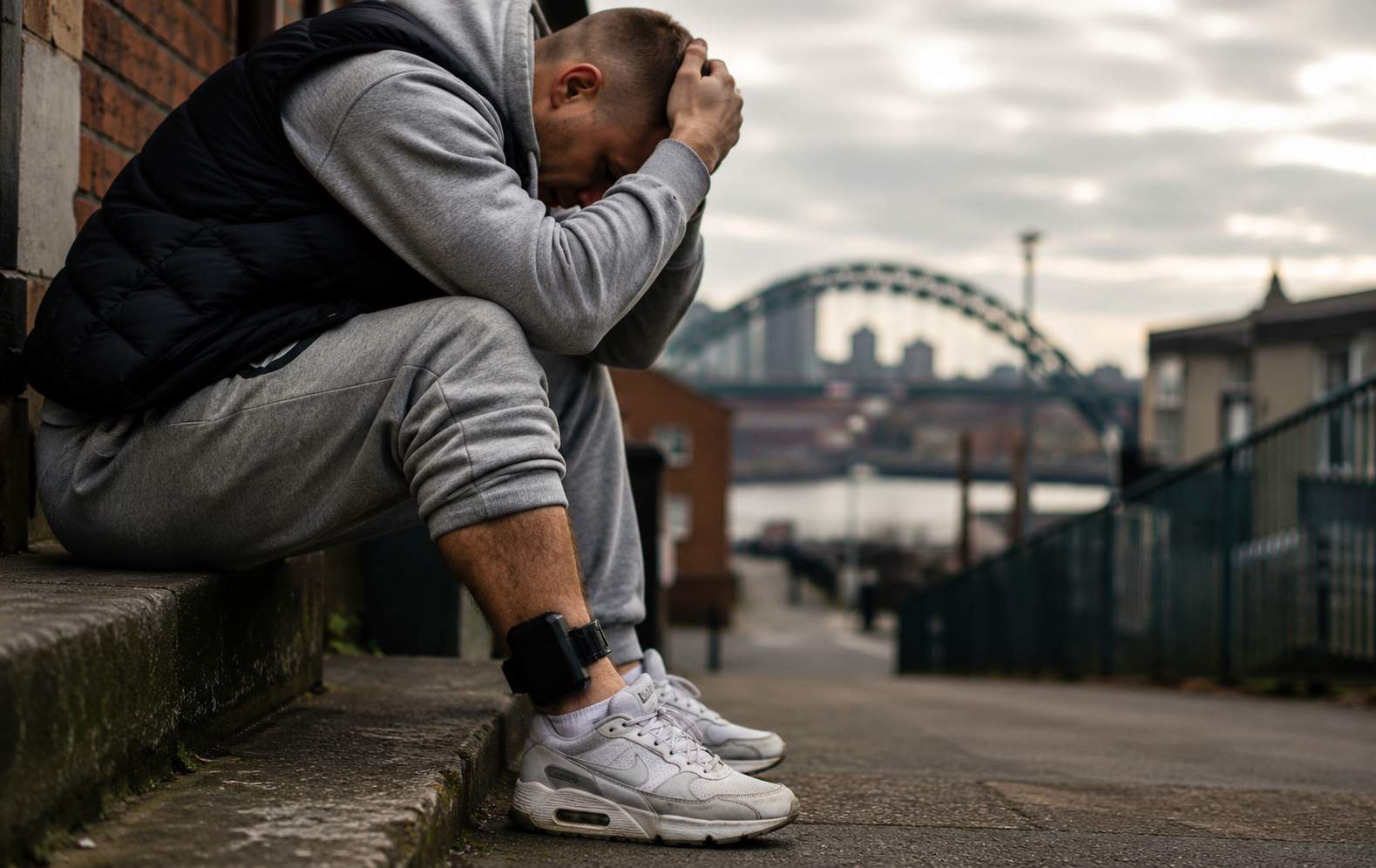
Conditions can include unpaid community work, curfews, electronic tagging, rehabilitation programmes, drug treatment or restrictions on movement and contact with certain people.
Probation officers also work with housing providers, mental health services and addiction charities to support rehabilitation and reduce the likelihood of reoffending.
Newcastle Probation Office acts as a major contact centre for the North East region, helping supervise offenders released back into local communities.
Staff shortages causing concern.
One of the biggest concerns facing probation services in the North East is staffing pressure.
A recent National Audit Office report found there were only 5,636 full time equivalent probation officers across England and Wales in March 2025, representing just 79 percent of target staffing levels. The report warned that qualified probation officer shortages remained a major challenge nationally.
The same report also found that higher risk offender cases had increased sharply since 2021, meaning more experienced officers are needed to manage dangerous offenders safely.
In Newcastle, inspectors reported that probation officer staffing levels were below target and sickness absence rates were above the national average.
Although inspectors praised some leadership and partnership work with police and safeguarding agencies, they also identified weaknesses around risk assessments, staff training and management oversight.
Those findings have added to wider national concerns that probation officers are becoming overstretched.
What probation officers actually do.
Many people associate probation purely with monitoring offenders, but the role is much broader.
Probation officers carry out risk assessments, prepare reports for courts and supervise offenders serving community sentences or released from prison.
They also help offenders access support for housing, employment, addiction treatment and mental health care.
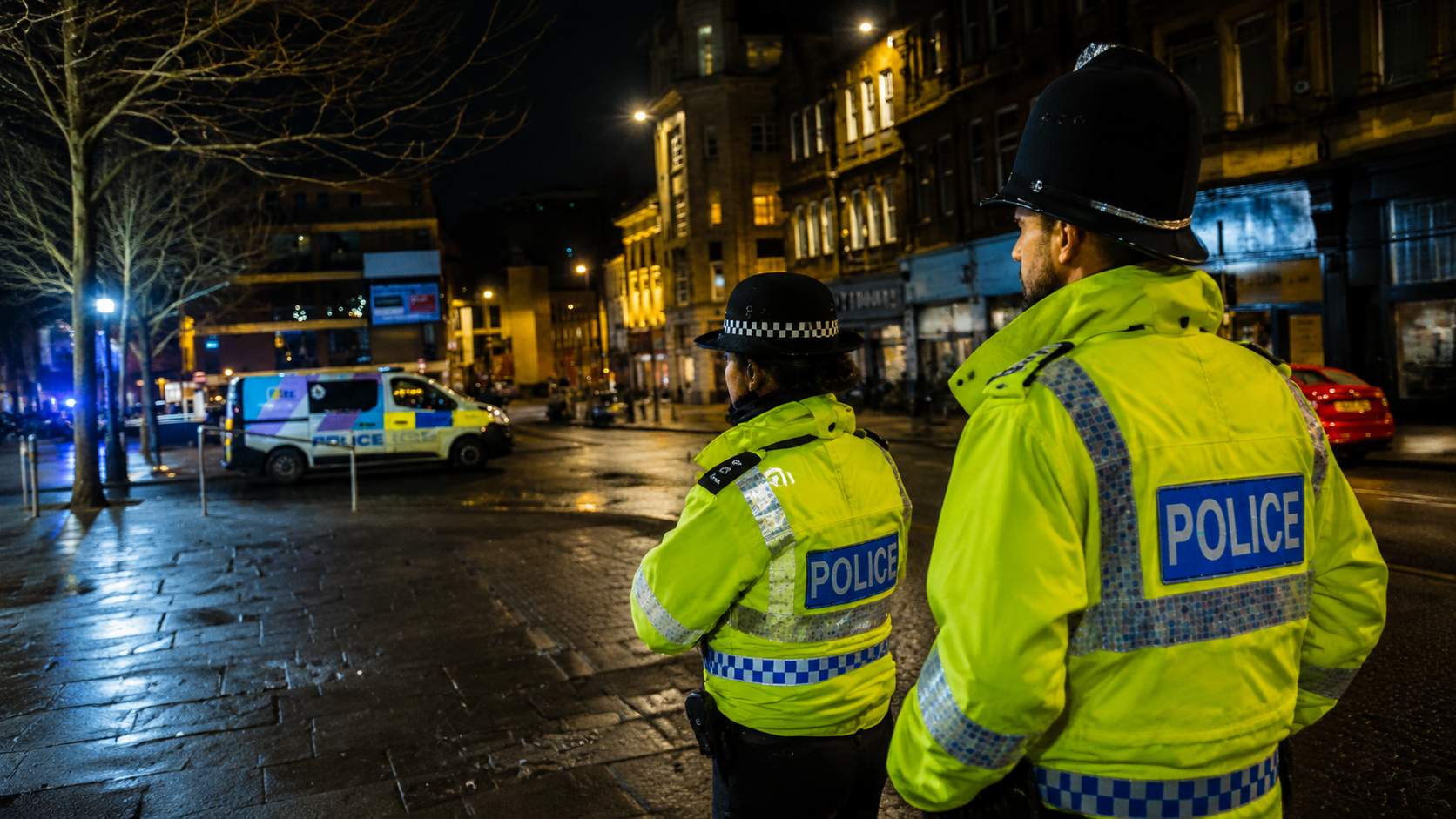
In serious cases involving violent or sexual offences, probation officers work closely with police and safeguarding agencies to monitor public safety risks.
The role has become increasingly demanding as caseloads rise and offender needs become more complex.
Training new probation officers has become a major priority nationally. The government has expanded the Professional Qualification in Probation programme, known as PQiP, which combines academic learning with practical supervision work.
What happens if offenders break probation rules.
Breaking probation conditions can lead to serious consequences.
Offenders who fail to attend appointments, breach curfews or commit further offences can be returned to court or recalled to prison.
In some cases, probation officers can initiate immediate recall proceedings if they believe an offender poses a serious risk to the public.
The government introduced a policy known as Probation Reset during 2024 to reduce workload pressures by suspending supervision for some lower risk offenders during the final part of their sentence. However, high risk offenders and domestic abuse cases remained excluded from the scheme.
Critics argue the changes show just how stretched the system has become.
Why the North East faces unique challenges.
The North East has historically faced higher levels of deprivation, unemployment and substance misuse compared with some other parts of England, factors which can increase pressure on probation and rehabilitation services.
Local probation teams often work alongside charities and support organisations to tackle issues linked to homelessness, addiction and domestic abuse.
Inspectors found Newcastle probation services had developed partnerships with organisations including Changing Lives, Tyne Housing and the West End Women and Girls Centre to provide extra support for offenders across the city.
Supporters of probation say community supervision can be more effective than short prison sentences because offenders remain connected to housing, work and family support while still being monitored.
Critics, however, argue that probation failures can have devastating consequences when dangerous offenders commit further crimes while under supervision.
The future of probation in Newcastle and the North East.
Experts believe probation services will play an even bigger role in the future as the government attempts to reduce prison overcrowding.
Electronic tagging, remote reporting systems and community based rehabilitation programmes are all expected to expand across England and Wales over the coming years.
However, inspectors and justice experts continue to warn that staffing shortages and rising workloads could undermine efforts to improve rehabilitation and public safety.
For Newcastle and the wider North East, the challenge will be balancing growing offender numbers with the need for effective supervision, public protection and long term rehabilitation.
With thousands of offenders already managed across the region, probation services are likely to remain under intense pressure for years to come.
Should more money be invested into probation and community supervision, or should tougher prison sentences remain the focus?
Share your views in the comments section.
Local News
North East Probation Service Under Strain as Caseloads Hit New Levels
Advertisement



Comments (0)
You must be logged in to post comments.
Don't have an account? Register here
No comments yet. Be the first to share your thoughts!