
The UK government is considering some of the toughest social media restrictions in the democratic world as pressure grows to tackle online harm affecting children and teenagers.
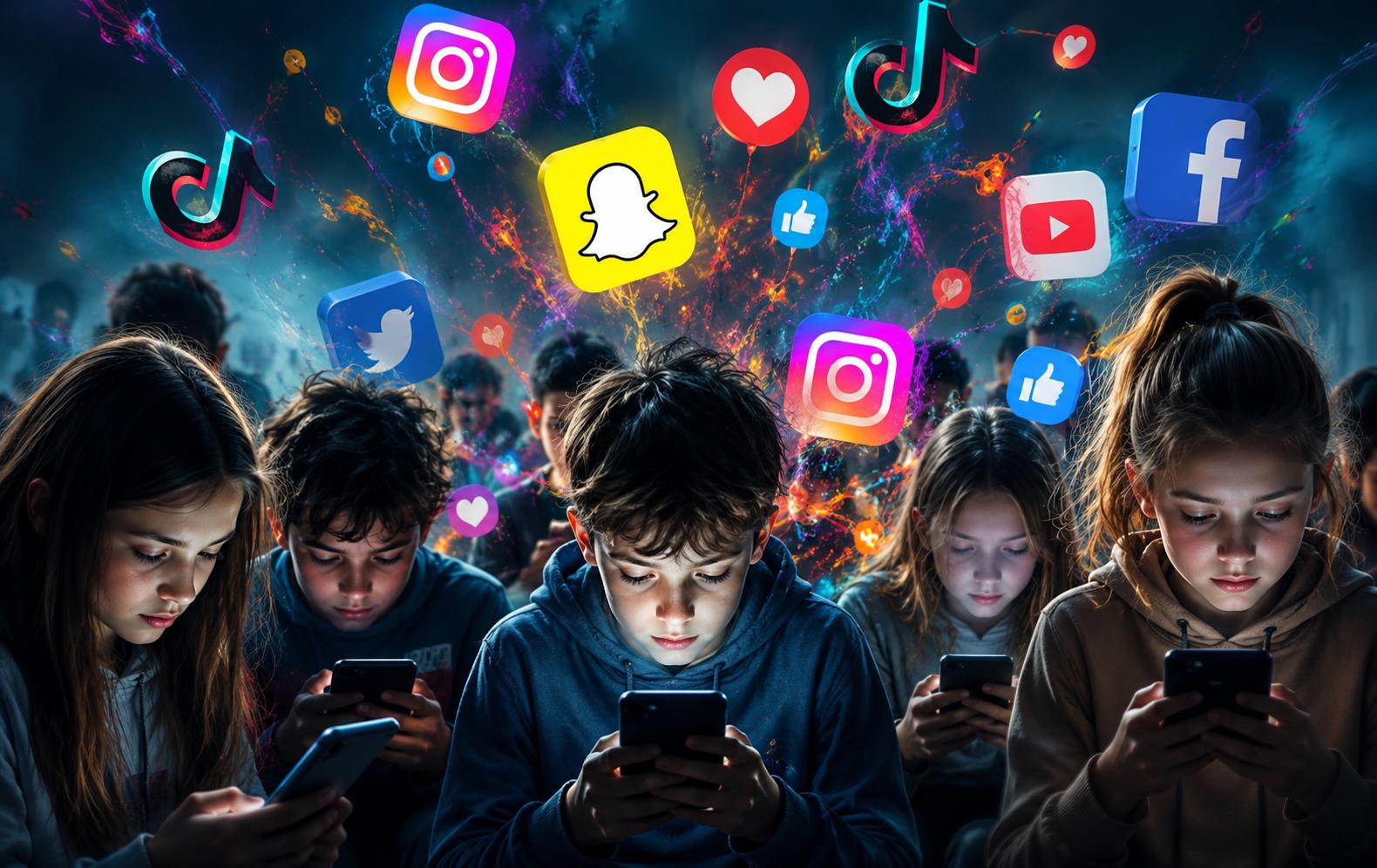
Ministers, regulators and campaign groups are pushing for stricter rules aimed at reducing children's exposure to harmful content online. The proposals include tougher age verification systems, restrictions on addictive app features and even the possibility of banning under-16s from using social media platforms entirely.
Supporters say stronger protections are urgently needed to deal with cyberbullying, self-harm content, online exploitation and excessive screen time among young people. Critics argue the proposals risk undermining privacy, limiting freedom of speech and giving governments too much influence over what people can see online.
While no nationwide ban has been approved, the debate surrounding social media regulation in Britain has intensified significantly over the last two years.
The Online Safety Act Changed The Conversation.
Much of the current debate stems from the Online Safety Act, which gave Ofcom broad powers to regulate online platforms operating within the UK.
The legislation was introduced following years of public concern surrounding harmful online content, particularly material affecting children and vulnerable users.
Social media companies can now face major financial penalties if they fail to meet safety obligations under the law. In extreme cases, services could potentially face restrictions within the UK market.
Although many elements of the Online Safety Act are already being introduced gradually, ministers are now considering whether further measures are needed specifically targeting children's use of social media.
The issue has become increasingly political as concerns surrounding smartphone use among children continue to grow.
Teachers across the UK have reported rising problems linked to social media use, including online bullying, concentration issues, sleep disruption and harmful online trends spreading among pupils.
Some schools have already introduced stricter phone policies during lessons, while parents continue debating how much access children should have to apps like TikTok, Snapchat and Instagram.
What Changes Are Being Considered?
The government is currently examining several possible changes that could reshape how children use social media platforms in Britain.
One of the most widely discussed proposals involves stricter age verification systems.
Under possible future rules, social media companies may be required to use stronger checks to verify the age of users before allowing access to certain content or services.
Potential methods include:
Facial age estimation.
Government identification checks.
Mobile phone verification.
Banking or card verification systems.
Supporters argue many current age restrictions are ineffective because children can simply enter false dates of birth when signing up for accounts.
Critics, however, fear mandatory verification systems could create wider privacy concerns and reduce anonymous internet use.
Civil liberties groups have also warned about the risks of collecting sensitive personal information from millions of users.
Restrictions On Addictive App Features.
Another major proposal involves limiting features designed to maximise engagement and screen time.
Ministers are reportedly examining whether platforms should face restrictions on:
Infinite scrolling.
Autoplay videos.
Push notifications.
Algorithmic recommendation feeds.
Features such as Snapchat streaks.
Campaigners argue these tools are intentionally designed to keep children online for as long as possible.
Some experts compare certain app features to gambling mechanics, claiming they exploit psychological triggers that encourage compulsive behaviour.
There are also discussions surrounding potential app curfews or recommended screen time limits for younger users, although no formal legislation has been introduced.
Opponents argue governments should not dictate how digital products are designed and warn excessive regulation could damage innovation within the technology sector.
Could Under-16s Be Banned From Social Media?
One of the most controversial proposals involves the possibility of introducing restrictions preventing children under 16 from accessing social media platforms.
The idea gained international attention after Australia introduced similar legislation aimed at limiting social media access for younger users.
In Britain, several politicians and campaign groups have pushed for comparable measures, arguing social media platforms are having a damaging effect on children's mental health and development.
So far, Parliament has not approved a full under-16 ban.
However, ministers have left open the possibility of introducing stricter rules in future depending on the outcome of consultations and regulatory reviews.
The issue remains deeply divisive.
Some parents support stronger restrictions entirely, arguing children are being exposed to harmful content at increasingly younger ages.
Others believe banning younger teenagers from social media would be unrealistic and difficult to enforce.
There are also concerns that restrictions could isolate young people socially, especially when much of modern communication now happens online.
In places such as Newcastle and other parts of the North East, youth workers and teachers have raised concerns that some teenagers already rely heavily on digital spaces to maintain friendships and social connections outside school hours.
Why Campaigners Want Tougher Laws.
Several high-profile cases have fuelled public pressure for stronger online safety laws.
One of the most influential involved teenager Molly Russell, whose family argued social media algorithms contributed to her exposure to harmful self-harm content before her death.
The case triggered widespread debate across Westminster and significantly increased political pressure for stricter regulation.
Campaign groups including the NSPCC and the Molly Rose Foundation have repeatedly called for tougher action against social media companies.
Child protection organisations argue harmful online content is evolving faster than existing laws can respond.
Concerns highlighted by campaigners include:
Cyberbullying.
Online grooming.
Sextortion scams.
Exposure to pornography.
Violent material.
Eating disorder content.
Mental health impacts linked to excessive social media use.
Government ministers argue technology companies have failed to properly regulate themselves and that stronger legal obligations are now necessary.
The Growing Free Speech Debate.
While many people support stronger child safety protections online, the proposals have also triggered growing concern over censorship and freedom of speech.
Critics argue Britain risks creating a system where governments and large technology companies effectively decide what content people are allowed to access online.
One major concern is over-censorship.
Because platforms face the threat of heavy financial penalties, opponents believe companies may begin removing legal content simply to avoid regulatory risk.
There are also concerns about automated moderation systems making mistakes and wrongly censoring satire, political opinions or controversial discussions.
Civil liberties campaigners warn definitions of "harmful content" could gradually expand over time.
Critics argue systems originally introduced to protect children could eventually influence broader online speech and public debate.
Privacy groups have also raised concerns surrounding mandatory identity verification and fears that anonymous internet use may gradually disappear under stricter regulation.
The debate has become particularly heated on platforms such as X, where users frequently accuse governments and regulators of attempting to increase control over online discussions.
Will The Restrictions Actually Work?
Even supporters admit enforcing social media restrictions on children could prove extremely difficult.
Teenagers already bypass existing age restrictions using fake dates of birth, VPN services and alternative apps.
Some experts warn tougher laws may simply push children toward smaller and less regulated online platforms where moderation standards are weaker.
Others argue social media is becoming a convenient political target for wider problems affecting young people, including declining mental health services, loneliness and cuts to youth support programmes.
Many parents also believe responsibility should remain primarily with families rather than governments.
The wider debate ultimately reflects a growing uncertainty about how society should manage children's relationship with technology.
Smartphones and social media have become deeply embedded in modern life, particularly among younger generations who have grown up online from an early age.
For some people, stronger regulation is now unavoidable.
For others, the risks of censorship, surveillance and government overreach are becoming equally concerning.
What Could Happen Next?
The government is expected to continue reviewing evidence and public consultation responses before deciding whether further legislation is necessary.
If ministers choose to proceed with tougher restrictions, Parliament could debate additional laws over the next year.
Any future legislation would likely face significant political and legal scrutiny due to concerns surrounding privacy, free speech and enforcement.
For now, Britain remains divided over how far the government should go in regulating children's access to social media.
Most people agree children should be safer online.
The real disagreement is whether stricter regulation will genuinely solve the problem or simply create new concerns surrounding censorship and digital freedom.
What do you think about the proposed UK social media restrictions for children? Should tougher online safety laws be introduced or do the proposals risk going too far?
Share your views in the comments and join the debate surrounding online safety, free speech and the future of social media in the UK.
Political News
Could New UK Social Media Rules Change Childhood Online?
Advertisement



Comments (0)
You must be logged in to post comments.
Don't have an account? Register here
No comments yet. Be the first to share your thoughts!