
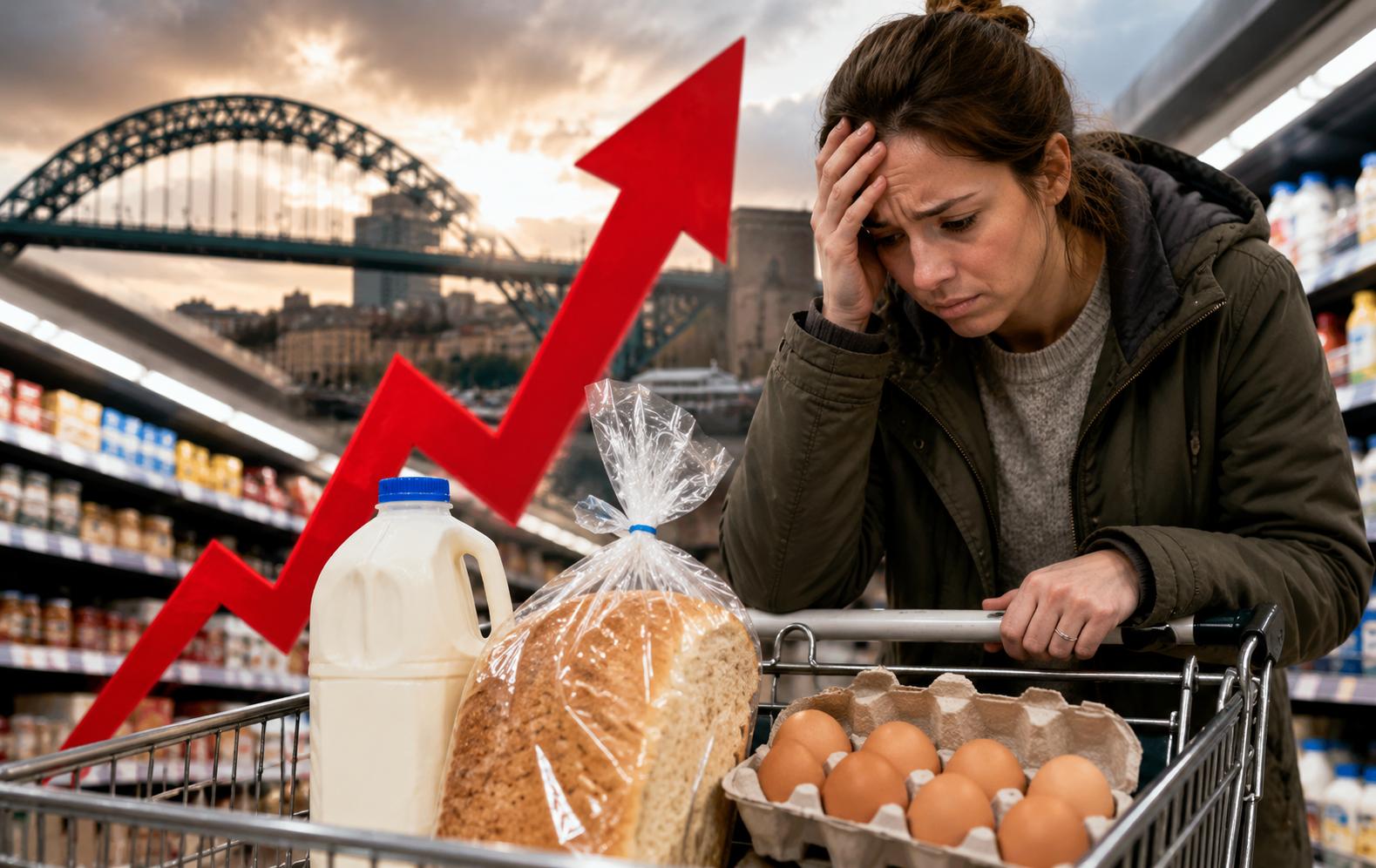
Supermarkets across the UK are pushing back against growing political pressure to freeze the cost of everyday essentials including milk, bread and eggs, as millions of households continue struggling with the cost of living crisis.
Government ministers have been holding discussions with major retailers over possible measures to help ease the burden on consumers, particularly families already stretched by rising housing, fuel and energy costs. However, despite mounting concern over food inflation, ministers have stopped short of introducing mandatory price caps on staple groceries.
The issue has sparked fierce debate among politicians, retailers and economic experts, with many warning that government interference in pricing could damage competition and create long-term problems for suppliers and consumers alike.
For families in Newcastle and across the North East, where household budgets remain under pressure, the debate has become increasingly important as supermarket bills continue climbing month after month.
Government Holds Talks With Supermarkets.
The Treasury confirmed this week that discussions had taken place with major supermarket chains about what support they could offer customers facing higher living costs.
Treasury minister Dan Tomlinson said the government was looking at "all available options" to support working households but insisted there were currently no plans to force retailers into mandatory price controls.
Instead, ministers are believed to have explored the possibility of voluntary agreements with supermarkets, encouraging them to limit price rises on selected essential products.
According to multiple industry sources, the discussions included proposals that could see supermarkets offered regulatory relief in exchange for helping keep food costs lower for consumers. These measures reportedly included possible delays to planned packaging reforms and changes to healthy food regulations.
The idea was first reported by the Financial Times and has since generated a major backlash from within the retail industry.
Retailers Warn Price Controls Could Backfire.
Senior figures in the supermarket sector reacted angrily to suggestions of even voluntary price caps, warning the policy could have serious unintended consequences.
Former Marks and Spencer boss and former Ocado chairman Lord Rose dismissed the proposals entirely, arguing that government intervention in food pricing would undermine free market competition.
He described the plans as dangerous and unworkable, saying that artificially controlling prices could ultimately lead to shortages, weaker investment and additional pressure on suppliers.
Retail leaders argue that supermarkets already operate on extremely tight margins, especially in highly competitive sectors such as groceries. They warn that forcing businesses to absorb rising costs would eventually impact jobs, investment and long-term affordability.
The British Retail Consortium also criticised the proposals, comparing them to outdated economic policies from the 1970s.
Helen Dickinson, chief executive of the BRC, said supermarkets cannot continue selling products at a loss while facing growing operational expenses across supply chains.
She added that the UK already benefits from some of the most competitive grocery pricing in Western Europe because supermarkets compete aggressively for customers.
Why Food Prices Continue To Rise.
Food inflation remains one of the biggest concerns for households across Britain.
Latest inflation figures show food prices rose by 3 percent in April, outpacing the overall inflation rate of 2.8 percent. Industry experts now fear food inflation could climb much higher later this year if supply pressures continue.
Several factors are driving higher supermarket prices.
Global instability remains a major concern for suppliers, particularly following increased tensions involving Iran and disruptions to international shipping routes. Rising fertiliser costs, animal feed expenses and transportation prices are all feeding into supermarket supply chains.
At the same time, retailers say domestic government policies are increasing business costs significantly.
Supermarkets point to higher National Insurance contributions, rising wage bills and increased operating costs as major reasons why prices continue to rise.
One industry source said supermarkets were effectively being asked to absorb costs created by government policy while also keeping prices down for customers.
Retailers argue that without meaningful financial relief from Westminster, it will become increasingly difficult to stop prices increasing further.
Newcastle Families Continue To Feel The Pressure.
In Newcastle, shoppers say food bills have become one of the biggest financial challenges facing households.
Across the city, families are increasingly cutting back on non-essential spending as weekly grocery costs continue rising. Community groups and food banks have also reported growing demand, particularly among working families who previously managed without additional support.
Parents are being forced to make difficult decisions about household budgets, while pensioners and low-income residents remain especially vulnerable to rising food and energy costs.
Local businesses are also facing mounting pressure as operational expenses continue increasing.
Independent retailers and convenience stores across Newcastle say they are struggling with higher supplier costs, energy bills and staffing expenses while trying to remain affordable for customers.
Economic experts warn that without stronger intervention to tackle underlying cost pressures, the situation could worsen heading into winter.
Calls Grow For VAT Cuts On Essential Goods.
Many business leaders believe the government could do far more to help consumers without directly controlling supermarket prices.
One proposal gaining support is a reduction in VAT on household essentials and energy-related costs linked to food production and distribution.
Retail groups argue that lowering VAT burdens would immediately reduce pressure on supply chains and help supermarkets pass savings directly onto consumers.
Business leaders say targeted VAT reductions could support both retailers and shoppers while avoiding the risks associated with strict price controls.
There are also growing calls for temporary business tax reductions to support food producers, distributors and retailers during the ongoing cost of living crisis.
Supporters argue that reducing the tax burden on supermarkets and food supply businesses would create greater flexibility for retailers to keep prices lower for customers.
Industry figures say the government should focus on reducing the operational costs businesses face rather than imposing restrictions on pricing.
What Else The UK Government Could Do To Ease The Cost Of Living Crisis.
Economists and consumer groups say there are several additional measures the government could introduce to help struggling households across the UK.
One option includes expanding energy bill support schemes, particularly for vulnerable households and pensioners.
There are also calls for increased investment in domestic food production to reduce reliance on volatile international markets and supply chains.
Some experts believe improving transport infrastructure and supporting British farmers could help lower long-term food costs while strengthening national food security.
Others argue the government should consider temporarily reducing fuel duty, which would lower transport expenses across supply chains and potentially reduce supermarket delivery costs.
Consumer organisations have also urged ministers to strengthen support for low-income families through increased benefits, targeted cost of living payments and expanded free school meal programmes.
For cities such as Newcastle, where many communities continue recovering from years of economic pressure, additional local support funding could also help councils and charities provide emergency assistance to struggling households.
Competition Watchdog Given Stronger Powers.
Alongside discussions around supermarket pricing, Chancellor Rachel Reeves has announced plans to strengthen the powers of the Competition and Markets Authority.
The consumer watchdog will receive faster investigatory powers to identify businesses accused of exploiting economic shocks through excessive price increases.
Under the new proposals, companies found unfairly increasing profit margins during periods of crisis could be publicly named by regulators.
The government says the move is designed to protect consumers during periods of inflation and economic uncertainty.
Rachel Reeves said working families often suffer first when global crises push prices higher and warned that firms should not exploit difficult economic conditions for excessive profits.
However, some business groups fear the tougher regulatory approach could create uncertainty for retailers already operating under significant pressure.
Experts Divided Over Supermarket Price Freezes.
Economic analysts remain deeply divided over whether voluntary supermarket price freezes would actually help consumers.
Supporters argue temporary agreements could provide short-term relief for households facing rising costs, especially on everyday essentials such as milk, bread and eggs.
Critics, however, say artificial pricing measures rarely work effectively in the long term and can create supply shortages or reduce competition.
Some economists point to international examples where strict food price controls eventually led to reduced product availability and increased financial pressure on suppliers.
Others believe carefully designed voluntary schemes could help stabilise prices without causing major disruption.
For now, ministers appear reluctant to move beyond discussions with retailers, preferring instead to encourage supermarkets to act voluntarily where possible.
Supermarkets Face Increasing Political Pressure.
Despite retailer resistance, political pressure surrounding food prices is unlikely to disappear anytime soon.
The Scottish National Party has already proposed introducing mandatory grocery price controls in Scotland, adding further momentum to the wider debate across Britain.
With inflation remaining stubbornly high and household finances under continued strain, food affordability is expected to remain a major political issue throughout the year.
Consumer groups are continuing to call for stronger protections for vulnerable households, while retailers insist government policies are contributing directly to rising prices.
The debate ultimately highlights the growing tension between protecting consumers and maintaining competitive market conditions within the retail sector.
For shoppers in Newcastle upon Tyne and across the UK, the immediate concern remains simple - how to afford the next supermarket shop as food prices continue climbing faster than many wages.
As the cost of living crisis continues affecting households nationwide, pressure is mounting on both supermarkets and Westminster to deliver meaningful solutions that genuinely help struggling families.
What do you think should be done to reduce food prices for families in Newcastle and across the UK? Share your thoughts in the comments and join the conversation on the rising cost of living crisis.
Food & Drink News
Supermarkets Reject Calls To Cap Essential Food Prices.
Advertisement





Comments (0)
You must be logged in to post comments.
Don't have an account? Register here
No comments yet. Be the first to share your thoughts!