
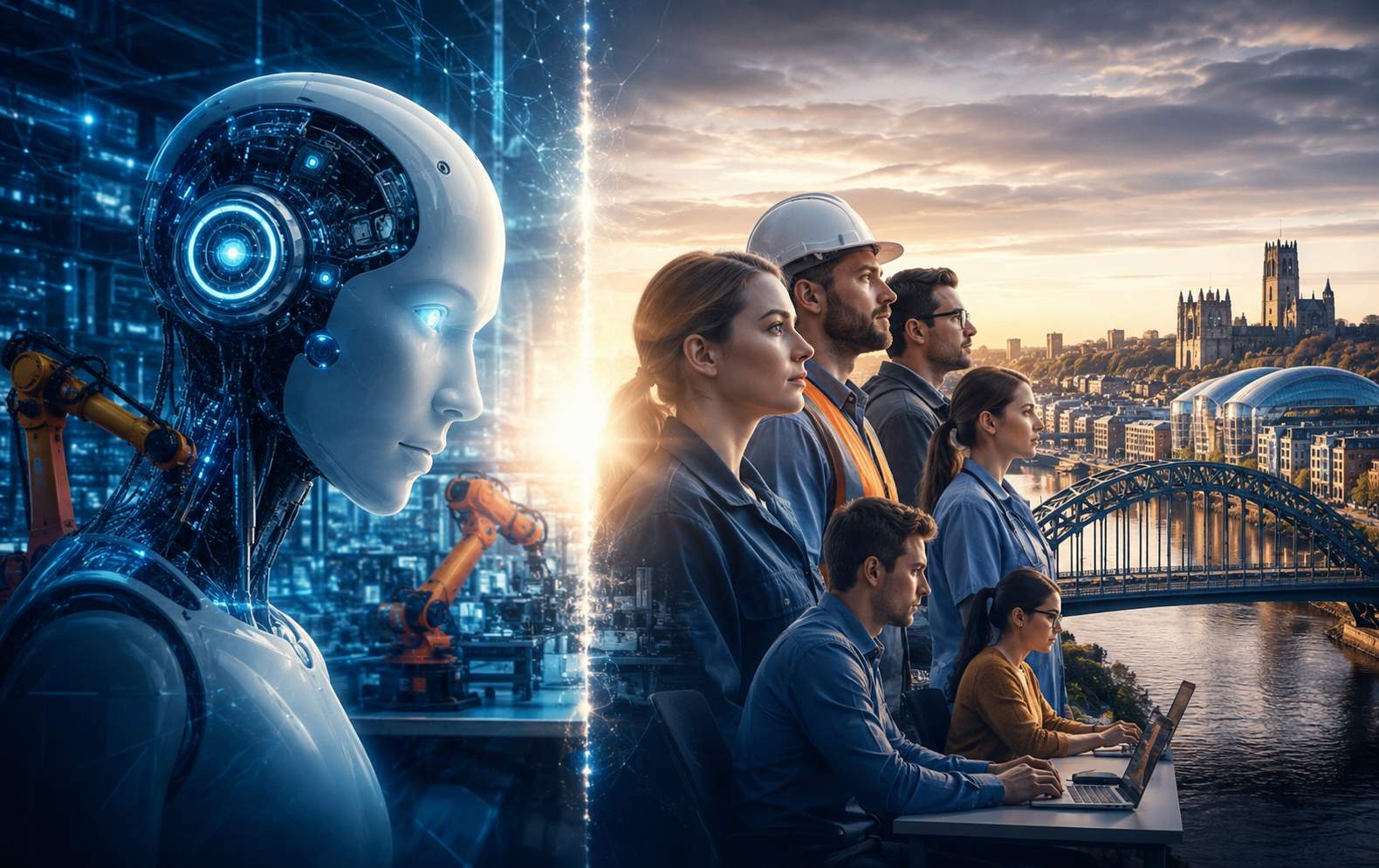
Artificial intelligence is rapidly transforming workplaces across Newcastle and the wider North East, creating uncertainty for some workers while opening new opportunities for others. From call centres and retail stores to software companies and advanced manufacturing plants, AI technology is beginning to reshape how businesses operate throughout the region.
For decades, the North East economy has relied heavily on industries such as manufacturing, logistics, customer service, healthcare, and retail. Many of these sectors are now experiencing the effects of automation and artificial intelligence at an increasing pace.
Major employers across Newcastle are already using AI tools to improve productivity, reduce costs, and streamline repetitive tasks. Chatbots are replacing some customer service work, automated systems are reducing administrative workloads, and AI driven software is helping businesses make faster decisions.
At the same time, the region’s growing technology sector is seeing rising demand for workers with digital and AI related skills. Newcastle’s reputation as an emerging tech hub means the city could benefit significantly from the AI boom if businesses and workers adapt successfully.
The challenge facing the North East is balancing the risks of job losses with the opportunities created by one of the biggest technological shifts in modern history.
Customer Service Jobs Are Facing Pressure.
Newcastle has long been home to large customer service and contact centre operations, employing thousands of people across Tyneside and surrounding areas. Companies in banking, utilities, telecommunications, and retail have historically relied on large support teams to handle customer enquiries.
However, AI powered chatbots and virtual assistants are beginning to reduce the need for human staff in some areas of customer support.
Many businesses now use automated systems to answer common questions, process refunds, reset passwords, and deal with basic complaints. These AI tools can operate 24 hours a day and manage thousands of conversations simultaneously.
Large employers across the UK are increasingly investing in conversational AI systems to cut operational costs and improve response times. While this does not necessarily eliminate all customer service roles, it changes the type of work available.
Workers dealing with more complex customer problems, sensitive situations, or relationship management are still likely to remain valuable. However, entry level contact centre positions could become harder to find over the next decade.
For Newcastle, where contact centre employment has played a major role in the local economy, this shift may become increasingly significant.
Retail Workers Are Seeing Automation Expand.
Retail businesses across Newcastle city centre, the Metrocentre, and shopping parks throughout the North East are also embracing automation technology.
Self checkout systems are already common in supermarkets and large retail chains. AI powered inventory systems now help businesses monitor stock levels, predict customer demand, and improve pricing strategies automatically.
Some retailers are experimenting with stores that require minimal staffing, using sensors and AI technology to track purchases without traditional tills.
Online shopping growth has also accelerated demand for warehouse automation. Distribution centres serving the North East increasingly use robotic systems to move products and manage logistics operations.
Traditional retail jobs, particularly cashier roles, are among the positions most vulnerable to AI driven change. However, digital retail management, logistics coordination, and e commerce operations are growing areas of employment.
The retail sector in Newcastle is unlikely to disappear, but it will probably continue evolving rapidly as technology changes consumer behaviour.
Manufacturing in the North East Is Becoming More Automated.
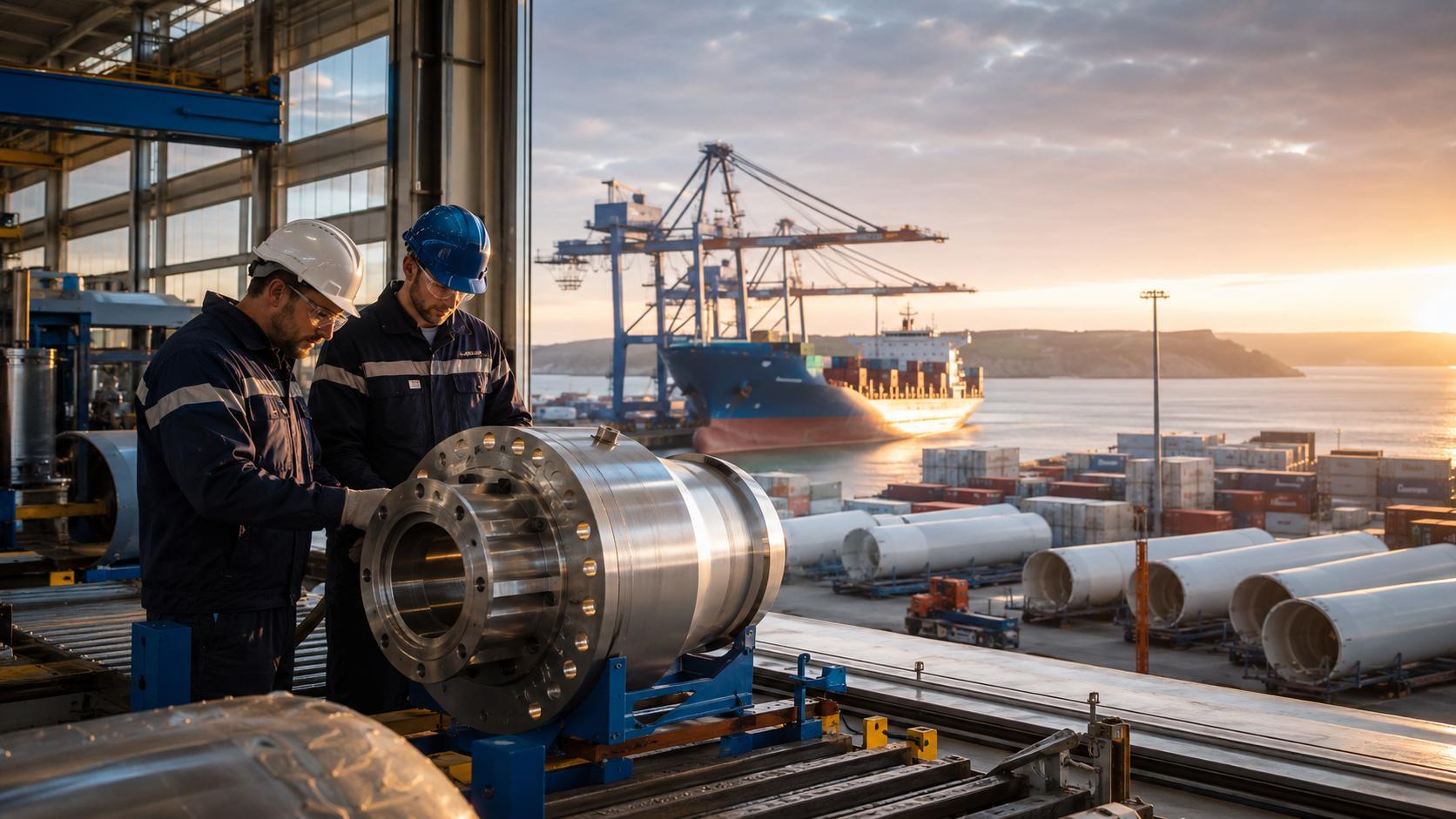
Manufacturing has always been a key part of the North East economy, particularly in areas linked to automotive production, engineering, and industrial supply chains.
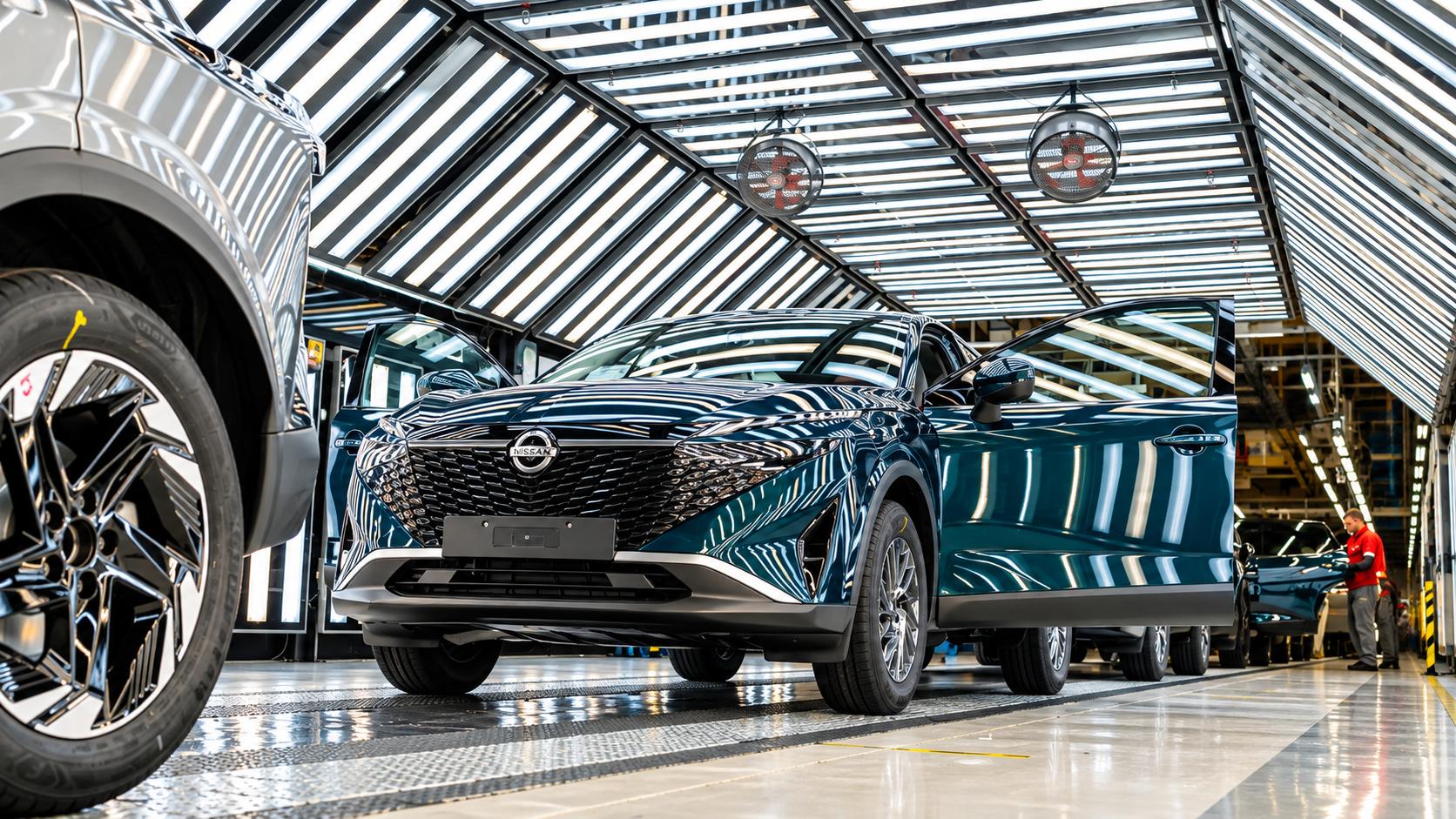
AI powered robotics and automation systems are now becoming more common in factories across the region. Intelligent machines can perform repetitive assembly tasks, monitor production quality, and identify defects much faster than traditional manual systems.
The automotive sector has seen some of the biggest changes. Factories connected to the wider North East manufacturing network increasingly rely on robotic systems capable of operating continuously with minimal human intervention.
Warehousing and logistics businesses are also adopting AI driven technology to improve efficiency and reduce costs.
While automation can improve productivity and help businesses remain competitive, it also reduces demand for some low skill repetitive jobs. Workers in traditional manufacturing roles may increasingly need technical skills to operate and maintain advanced machinery.
At the same time, demand is rising for robotics engineers, maintenance technicians, and software specialists capable of supporting modern industrial systems.
Newcastle’s Tech Sector Could Benefit From AI Growth.
Although some industries face disruption, Newcastle’s growing digital and technology sector could benefit significantly from the rise of artificial intelligence.
Over the past decade, Newcastle has developed a stronger reputation as a technology and innovation hub. The city is home to software firms, digital agencies, gaming companies, fintech businesses, and university research projects focused on emerging technologies.
AI related jobs are becoming increasingly valuable across the UK economy, and Newcastle is well positioned to attract investment in this area.
Machine learning engineers, software developers, cybersecurity analysts, and data scientists are among the fastest growing roles connected to artificial intelligence.
Newcastle University is already involved in research linked to data science and digital technology, helping develop local talent for future industries.
The rise of remote and hybrid working has also made it easier for tech professionals in the North East to work for national and international companies without leaving the region.
This could help Newcastle retain skilled workers who may previously have moved to London or Manchester for technology careers.
Healthcare Roles Are Evolving With AI Technology.
Healthcare employers across Newcastle and the wider NHS are also beginning to integrate artificial intelligence into everyday operations.
AI systems can assist doctors with diagnostics, analyze medical scans, manage patient records, and improve hospital scheduling. These tools are designed to support healthcare workers rather than replace them entirely.
Hospitals and healthcare providers still rely heavily on human judgement, empathy, and communication. However, technology is changing how medical professionals work.
New jobs linked to healthcare technology are starting to emerge, including medical data analysis, digital health coordination, and AI system management.
Newcastle’s strong healthcare and research sectors could create opportunities for workers with both medical and technical expertise.
As healthcare services continue modernising, the combination of AI and medicine is expected to become increasingly important.
Creative Industries Are Also Feeling the Impact.
Artificial intelligence is no longer affecting only technical or industrial jobs. Creative industries across Newcastle are also beginning to see major changes.
AI writing software can now generate marketing copy, social media content, blog articles, and product descriptions in seconds. Design tools powered by artificial intelligence can create graphics, edit images, and produce advertising concepts rapidly.
This has created concern among writers, designers, photographers, and digital marketers who worry that businesses may reduce spending on human creativity.
However, many agencies and freelancers are instead using AI as a productivity tool rather than a replacement.
Creative professionals still offer strategic thinking, emotional storytelling, cultural understanding, and originality that AI struggles to replicate fully.
Newcastle’s growing digital marketing and creative sectors may increasingly depend on workers who know how to combine human creativity with AI powered tools effectively.
New AI Jobs Are Emerging Across the North East.
While some traditional jobs are becoming less secure, entirely new career paths are being created because of artificial intelligence.
Businesses adopting AI systems require specialists who can develop, manage, monitor, and improve these technologies.
Cybersecurity is one area seeing particularly strong growth. As AI tools become more advanced, businesses face increasing risks from automated cyber attacks and online fraud.
Companies now need security analysts and ethical hackers capable of defending systems against increasingly sophisticated threats.
AI ethics and regulation are also becoming important fields. Governments and businesses face growing pressure to ensure AI systems are fair, transparent, and compliant with legal standards.
Workers with expertise in data privacy, digital regulation, and responsible AI development may become highly valuable in the coming years.
The North East could benefit from these emerging industries if education providers and businesses continue investing in digital skills training.
Human Skills Still Matter Most.
Despite rapid advances in automation, many experts believe human skills will become even more important in the AI era.
Communication, leadership, emotional intelligence, creativity, and problem solving remain areas where humans continue to outperform machines.
Teachers, healthcare workers, social workers, managers, and skilled tradespeople still rely heavily on trust, adaptability, and personal interaction.
The workers most likely to succeed in the future may not necessarily be those with the most advanced technical knowledge. Instead, adaptable employees willing to learn new tools and develop digital skills could have the strongest long term prospects.
Schools, colleges, and universities across the North East are increasingly focusing on technology education and digital training to prepare younger generations for future careers.
Newcastle Faces Both Risks and Opportunities.
Artificial intelligence is already changing the way people work across Newcastle and the wider North East. Some traditional jobs are clearly becoming more vulnerable as businesses automate repetitive tasks and reduce reliance on manual labour.
Customer service, retail, manufacturing, and administrative roles are among the areas facing the biggest disruption. At the same time, new opportunities are emerging in software development, cybersecurity, healthcare technology, data science, and digital innovation.
Whether AI ultimately benefits Newcastle’s economy may depend on how quickly businesses, workers, and education providers adapt to the changes ahead.
The technology itself is unlikely to slow down. The real challenge for the North East will be ensuring local workers are prepared for a rapidly changing future.
Have you already seen AI changing your workplace or industry in Newcastle? Let us know your experience in the comments.
Business News
The Jobs AI Is Replacing in the North East - And the Ones Emerging
Advertisement



Comments (0)
You must be logged in to post comments.
Don't have an account? Register here
No comments yet. Be the first to share your thoughts!