
Britain has always had a reputation for tradition, ceremony and a legal system steeped in history. What many people do not realise is that some centuries-old laws are still technically part of UK legislation today. While most are rarely enforced, they remain on the statute books and continue to fascinate historians, lawyers and curious members of the public.
From medieval armour restrictions to suspicious salmon offences, these strange UK laws offer a glimpse into how society once operated. They also reveal just how difficult it can be to completely remove outdated legislation from one of the world's oldest legal systems.
Why Do Old Laws Remain On The UK Statute Books.
Unlike some countries that regularly rewrite large sections of their legal codes, the UK legal system generally allows laws to remain in force until Parliament formally repeals them. Legal historians have long pointed out that thousands of obsolete laws accumulated over centuries before major statute revision efforts began. In the mid-1800s, commissioners reviewing British legislation found that only around 3,900 of more than 16,000 public statutes passed since Magna Carta remained in force, demonstrating the enormous scale of Britain's legal history.
Even today, lawmakers often focus on current issues rather than removing obscure legislation that no longer affects everyday life. As a result, many unusual laws continue to survive quietly in the background.
It Is Illegal To Handle Salmon In Suspicious Circumstances.
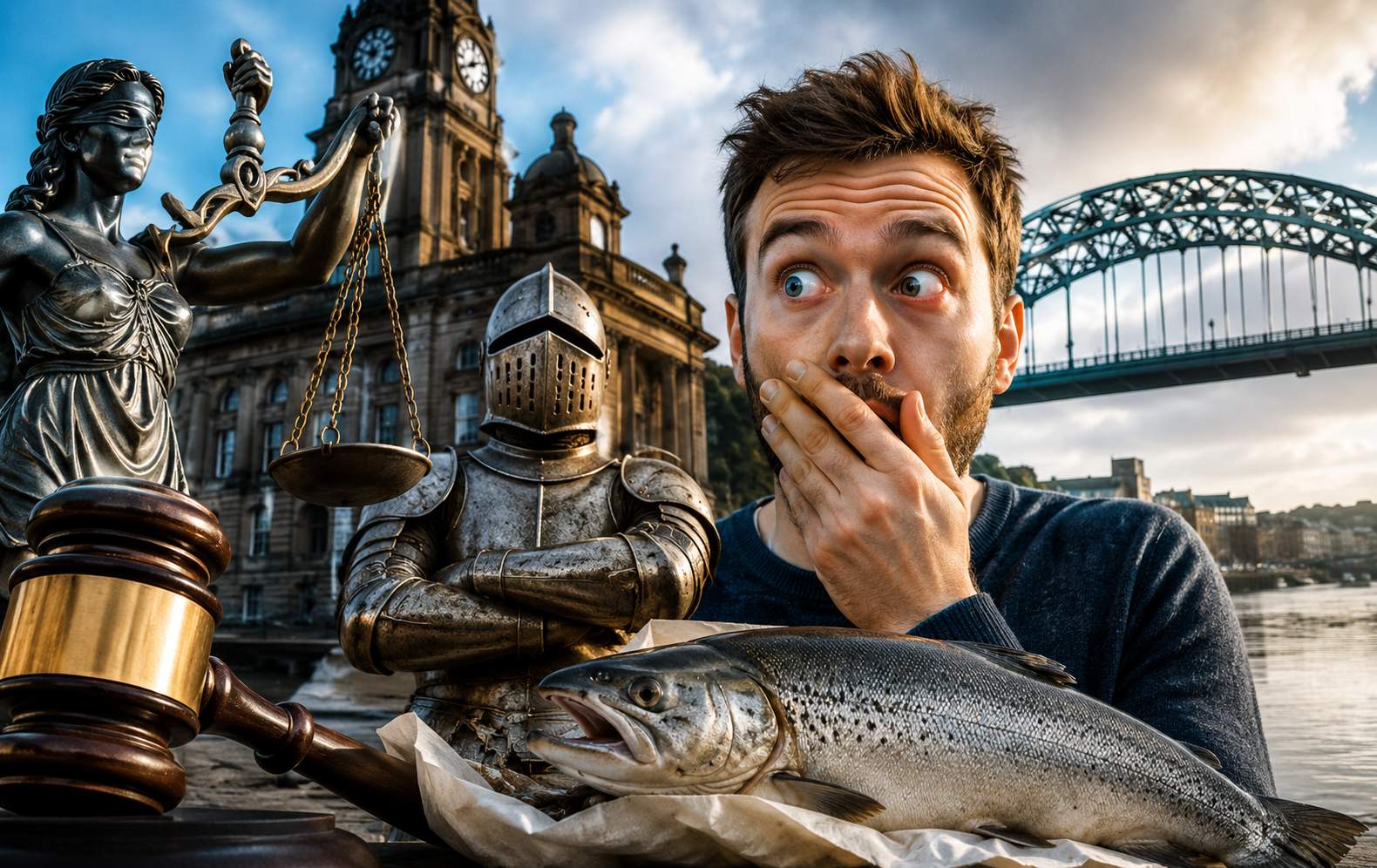
Perhaps the most famous strange British law comes from the Salmon Act 1986. Under Section 32, it is an offence to handle salmon in suspicious circumstances. While the wording sounds amusing, the law was introduced to combat illegal fishing and salmon poaching.
The unusual phrasing has made the legislation a favourite topic in legal trivia quizzes and social media discussions. In reality, authorities use the law to investigate potentially illegal fish trading rather than innocent shoppers carrying seafood home from the supermarket.
Wearing Armour In Parliament Is Still Forbidden.
One of Britain's oldest surviving legal curiosities dates back to 1313. The Statute Forbidding Bearing of Armour technically makes it unlawful to wear a suit of armour inside the Houses of Parliament.
The law was originally introduced during a turbulent period when armed nobles could intimidate political opponents. More than 700 years later, MPs arrive wearing business suits rather than chainmail, yet the law remains part of Britain's legal history.
Being Drunk In A Pub Can Still Be An Offence.
This is one law that surprises many people. Under the Licensing Act 1872, being drunk on licensed premises is technically an offence.
The irony is obvious. Pubs are among the most popular places for alcohol consumption in Britain. However, the law was designed to tackle disorderly conduct rather than prevent social drinking. Today, pub staff are more likely to refuse service to intoxicated customers than police are to enforce this Victorian-era legislation.
According to UK government health data, millions of adults consume alcohol every week, highlighting how disconnected this historic law appears from modern social habits.
The King Still Owns Certain Fish.
Another legal oddity involves royal ownership. Certain species known as "royal fish", particularly whales and sturgeon, technically belong to the Crown when found in UK waters. These rights were preserved through later legislation and remain one of the oldest surviving royal privileges in British law.
Although encounters with sturgeon are hardly an everyday concern for most Britons, the rule continues to generate interest whenever unusual catches make local news headlines.
Old Street Laws Continue To Surprise People.
Several nineteenth-century laws governing public behaviour remain technically enforceable in parts of the UK. Historic legislation restricts activities such as carrying certain large objects on pavements if they create hazards, while some regulations concerning shaking carpets and rugs in public streets still exist in modified form.
These rules originated during a period when crowded streets, horse-drawn transport and poor sanitation created very different public safety challenges compared with modern cities.
Strange Laws Have Become A Tourist Attraction.
Interest in weird UK laws has grown significantly online over the past decade. Legal blogs, travel websites and social media platforms regularly publish lists of bizarre British legislation, attracting millions of views globally. The topic combines humour, history and curiosity, making it particularly appealing to international audiences fascinated by Britain's traditions.
Several surveys and legal commentary websites report that laws relating to salmon, armour and public drunkenness consistently rank among the most searched examples of unusual UK legislation.
Tourism experts have also noted that Britain's quirky legal history contributes to the country's wider cultural appeal, alongside historic landmarks, royal traditions and centuries-old institutions.
Are These Laws Actually Enforced.
The simple answer is rarely. Most of these laws survive because repealing them has never been considered a legislative priority. Legal experts generally agree that many serve more as historical curiosities than practical regulations.
However, some laws that appear strange on the surface still have genuine legal purposes. The salmon legislation, for example, continues to help authorities combat illegal fishing activities. Other historic laws have effectively become symbolic remnants of earlier centuries.
This distinction is important because not every unusual law circulating online is genuine. The Law Commission has previously clarified that several popular myths, including claims about shooting Welsh people with longbows, are not real laws at all.
Britain's Legal History Continues To Fascinate.
The UK's legal framework stretches back hundreds of years, creating a unique mix of modern regulations and historic statutes. While most people will never encounter these unusual laws in court, they remain fascinating reminders of how society has evolved.
Whether it is a medieval armour ban, suspicious salmon handling or royal ownership of fish, these legal leftovers offer a rare glimpse into Britain's past. They may seem bizarre today, but each one tells a story about the concerns, customs and priorities of the era in which it was created.
As lawmakers continue modernising legislation, some of these strange laws may eventually disappear. Until then, they remain among the most entertaining pieces of legal history still technically alive in the United Kingdom.
What is the strangest UK law you have ever heard about, and do you think these historic rules should be repealed or preserved?
Crime News
The Strange UK Laws That Many Newcastle Residents Have Probably Broken
Advertisement




Comments (0)
You must be logged in to post comments.
Don't have an account? Register here
No comments yet. Be the first to share your thoughts!