
People in Newcastle are being encouraged to take simple food safety precautions after health officials confirmed a national salmonella outbreak involving more than 200 cases.
The UK Health Security Agency recorded 207 confirmed infections linked to the outbreak by 13 August 2026. One person has died, while 38 per cent of patients for whom information was available required hospital treatment. Two people developed bloodstream infections.
There is currently no published figure showing how many cases, if any, have been recorded specifically in Newcastle. However, the national investigation is relevant to local residents, restaurants, cafes and takeaways because most patients reported eating food prepared outside their homes.
What investigators have discovered.
Of the confirmed cases, 199 were in England, six in Scotland, one in Wales and one in Northern Ireland. London recorded 47 cases, while Yorkshire and the Humber had 38.
The outbreak has affected people from infancy to 90 years old, with a median age of 30. Officials said 206 of the 207 cases were reported during 2026.
Interviews have been completed with 114 patients. Of these, 95 people, or 83 per cent, said they had eaten food prepared outside the home during the week before their symptoms began. Five unnamed food businesses were visited by two or more unrelated patients, accounting for 24 cases. Eleven of those people recalled eating dishes made with eggs.
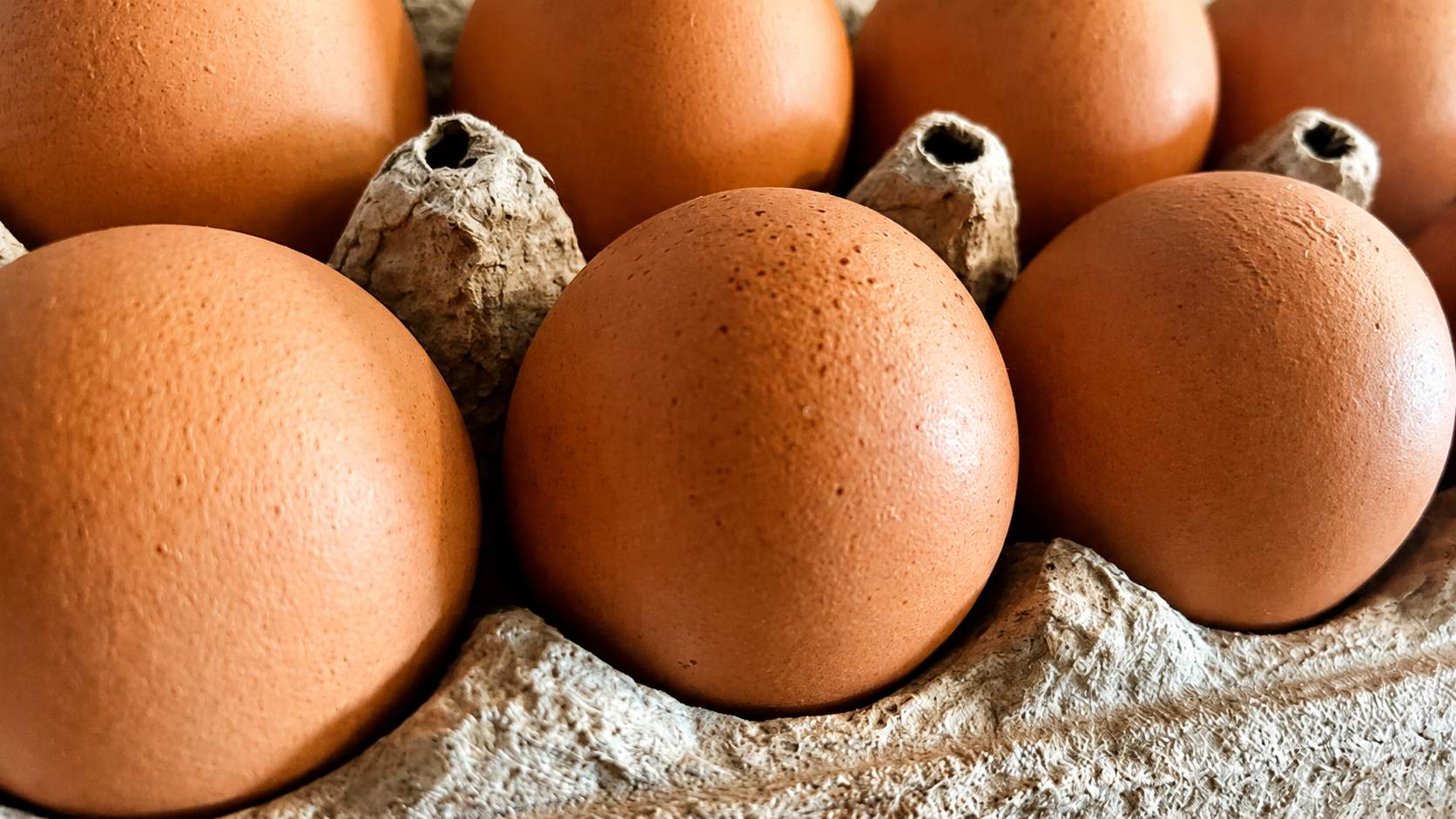
Imported eggs are being investigated as a possible source, but this has not been confirmed. Officials have found no identified connection to British-produced eggs or poultry.
What Newcastle diners should know.
Newcastle City Council says more than 2,600 food outlets are registered across the city and inspected regularly. Diners can check a business through the national Food Hygiene Rating Scheme before choosing a restaurant, cafe or takeaway.
Businesses receive a score from zero to five, with five indicating very good hygiene standards. A rating reflects the conditions found during the most recent inspection, including food handling, cleanliness and safety management.
The Food Standards Agency advises catering businesses to obtain eggs from reputable, traceable suppliers. British Lion or Laid in Britain eggs are considered very low risk because they come from assurance schemes that include salmonella controls.
Symptoms and safety advice.
Salmonella symptoms commonly include diarrhoea, stomach cramps, vomiting and fever. The illness is often short-lived, but young children, older people, pregnant women and those with underlying health conditions can face a greater risk of serious complications.
Eggs should be stored in a cool, dry place, preferably refrigerated, and should not be used after their best-before date. Cracked or dirty eggs should be discarded. Hands, utensils and work surfaces should also be cleaned after contact with raw eggs to prevent cross-contamination.
Anyone preparing raw or lightly cooked dishes for vulnerable people should use British Lion, Laid in Britain or pasteurised egg products. Anyone seriously unwell or concerned about persistent symptoms should seek immediate medical advice.
The investigation remains active, with officials examining supply chains and testing possible links between cases. Until a source is confirmed, Newcastle residents can reduce their risk by checking hygiene ratings, following safe food-handling practices and ensuring higher-risk egg products are cooked thoroughly.
Share your thoughts.
Do you look for the British Lion mark when buying eggs?
Food & Drink News
UK Salmonella Cases Rise to Over 200 - Newcastle Safety Advice
Advertisement

Comments (0)
You must be logged in to post comments.
Don't have an account? Register here
No comments yet. Be the first to share your thoughts!