
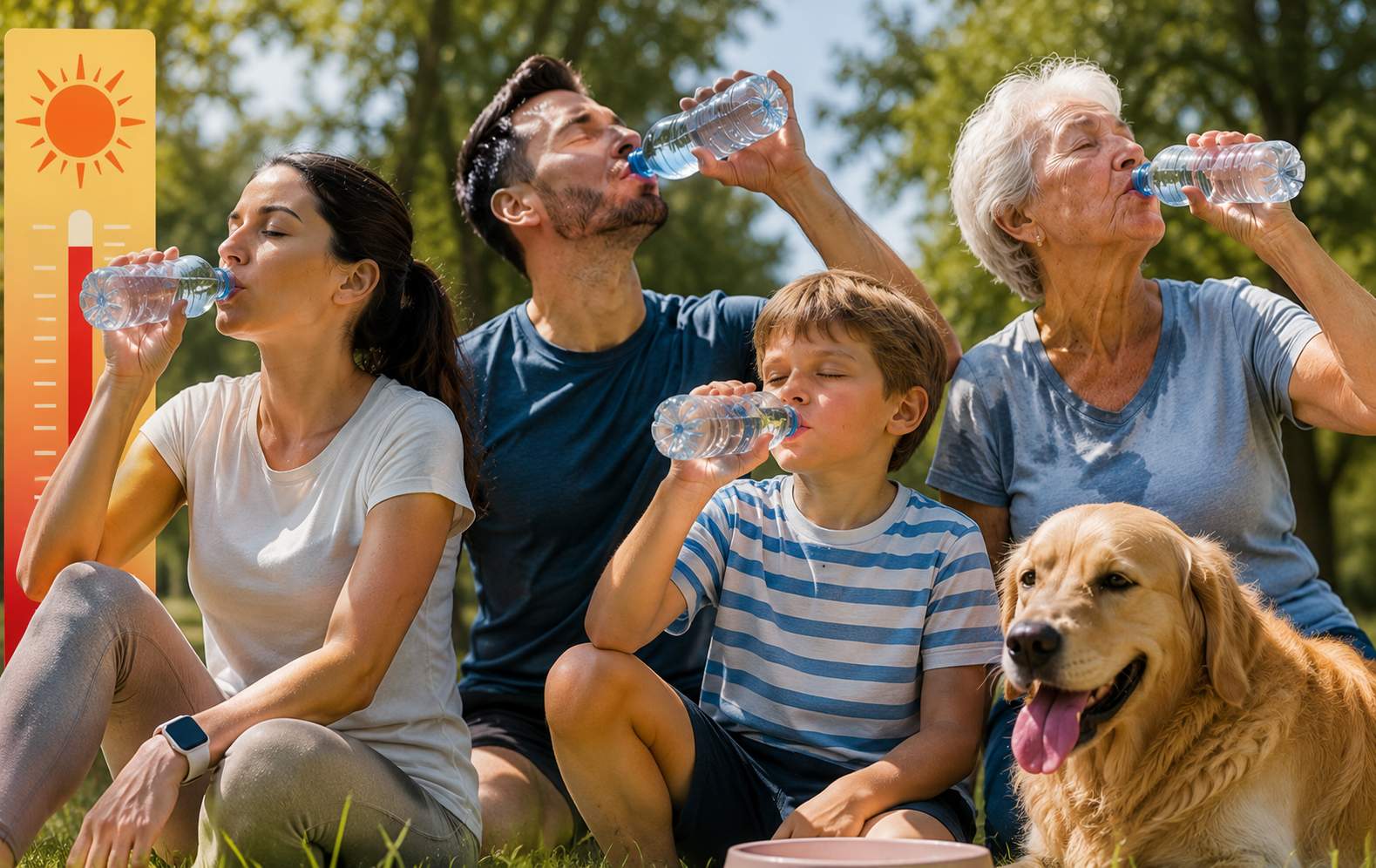
Health experts and veterinarians are warning families across the UK to remain alert during periods of hot weather as rising temperatures increase the risks of heat exhaustion and heatstroke in both humans and pets.
With summer temperatures continuing to climb, doctors say many people still underestimate how dangerous prolonged heat exposure can become. While children and elderly adults are among the most vulnerable groups, veterinarians are also reporting growing concerns over dogs and other household pets suffering from overheating during warm weather.
Medical professionals say recognising the warning signs early could save lives, especially during heatwaves when dehydration and heat-related illness can develop quickly.
What is heat exhaustion?.
Heat exhaustion happens when the body overheats and struggles to cool itself properly. It is usually caused by dehydration, prolonged exposure to high temperatures or excessive physical activity in warm conditions.
The body naturally cools through sweating and circulation, but during extreme heat these systems can become overwhelmed. Once fluid and salt levels fall too low, symptoms may begin to appear rapidly.
If untreated, heat exhaustion can develop into heatstroke, which is considered a life-threatening emergency requiring immediate medical attention.
Experts say prevention and early recognition remain the most effective ways to reduce serious health risks during hot weather.
Common heat exhaustion symptoms in adults.
Doctors say adults often ignore the early warning signs of heat exhaustion because symptoms can initially feel mild. However, untreated overheating can quickly become dangerous.
Common symptoms include excessive sweating, dizziness, headaches, nausea and muscle cramps. Many people also experience weakness, fatigue and difficulty concentrating after spending time in high temperatures.
The skin may appear pale, clammy or cool despite the hot weather. Rapid breathing and an increased heart rate are also common as the body works harder to regulate temperature.
In more serious cases, people may feel faint, confused or disoriented. Medical experts say these symptoms should never be ignored, especially during heatwaves or after physical activity outdoors.
Anyone showing signs of heat exhaustion should move to a cooler environment immediately, drink water slowly and rest until symptoms improve.
Warning signs of heat exhaustion in children.
Children are particularly vulnerable to heat-related illness because their bodies heat up faster than adults and cool down less efficiently.
Parents are being urged to watch carefully for symptoms such as flushed skin, irritability, tiredness and excessive thirst during hot weather. Some children may complain of headaches, dizziness or stomach pain after spending time outdoors.
Heavy sweating, rapid breathing and unusual sleepiness can also indicate overheating. Babies and toddlers may develop dry lips, fewer wet nappies or increased fussiness if they become dehydrated.
Doctors warn that children may continue running and playing despite early symptoms, which can increase the risk of heatstroke if adults do not intervene quickly.
Experts recommend regular breaks in shaded areas, lightweight clothing and encouraging children to drink water frequently throughout the day.
Elderly adults face increased risks during heatwaves.
Older people remain one of the highest-risk groups during periods of extreme heat.
As the body ages, it becomes less effective at controlling internal temperature. Many elderly adults also live with medical conditions or take medications that increase dehydration risks.
Symptoms of heat exhaustion in older adults can include dizziness, headaches, confusion, weakness and unusual tiredness. Family members are also being advised to watch for behavioural changes or worsening confusion during hot weather, as these may be linked to overheating.
Healthcare workers are encouraging people to check regularly on elderly relatives and neighbours during heatwaves, particularly those living alone.
Keeping homes cool, drinking water regularly and avoiding outdoor activity during the hottest hours of the day can significantly reduce risks.
Signs of heat exhaustion and heatstroke in pets.
Veterinarians are also warning pet owners to take hot weather seriously, particularly for dogs, elderly pets and flat-faced breeds such as Bulldogs and Pugs, which can struggle to regulate body temperature.
Unlike humans, dogs do not sweat effectively and rely mainly on panting to cool themselves down. This means overheating can happen very quickly during warm weather.
Early signs of heat exhaustion in pets include excessive panting, drooling, weakness and difficulty settling down. Dogs may appear unusually tired or struggle to walk properly after exercise.
As overheating worsens, symptoms can include vomiting, diarrhoea, collapse, bright red gums and breathing difficulties. In severe cases, seizures or unconsciousness may occur, which require immediate emergency veterinary treatment.
Veterinarians strongly advise never leaving pets inside parked vehicles, even for a short period. Temperatures inside cars can become deadly within minutes during warm weather.
What to do if someone develops heat exhaustion.
Doctors say most cases of heat exhaustion improve quickly when treated early.
The first step is to move the person into a cooler area away from direct sunlight. Drinking water slowly and removing excess clothing can help lower body temperature safely.
Cool damp cloths, fans and cool showers may also help reduce overheating more effectively. Rest is essential, and people should avoid strenuous activity until fully recovered.
Alcohol and caffeinated drinks should be avoided because they may worsen dehydration.
If symptoms do not improve within 30 minutes or become more severe, urgent medical attention should be sought immediately.
Emergency signs of heatstroke.
Heatstroke is a medical emergency that can become life-threatening very quickly.
Warning signs include confusion, collapse, seizures, severe breathing problems and hot dry skin with little or no sweating. A body temperature above 40C is considered extremely dangerous.
In pets, heatstroke symptoms may include heavy panting, collapse, vomiting, glazed eyes or loss of consciousness.
Emergency services or veterinary professionals should be contacted immediately if heatstroke is suspected. While waiting for help, cooling should begin carefully using cool water, wet towels or fans.
Experts warn against using ice-cold water because rapid cooling can sometimes cause additional complications.
How to prevent heat exhaustion in people and pets.
Health professionals say prevention remains the safest approach during hot weather.
People are advised to drink water regularly, wear lightweight clothing and avoid outdoor activities during peak afternoon heat. Homes should be kept cool by closing curtains during the day and opening windows later in the evening.
Pet owners are also encouraged to walk dogs early in the morning or later in the evening when temperatures are lower. Fresh drinking water and shaded areas should always be available for animals outdoors.
Understanding the symptoms of heat exhaustion and heatstroke can help families respond quickly and protect vulnerable people and pets during periods of extreme heat.
Community News
Vets and Doctors Issue Heatwave Warning for Families and Pets
Advertisement





Comments (0)
You must be logged in to post comments.
Don't have an account? Register here
No comments yet. Be the first to share your thoughts!