
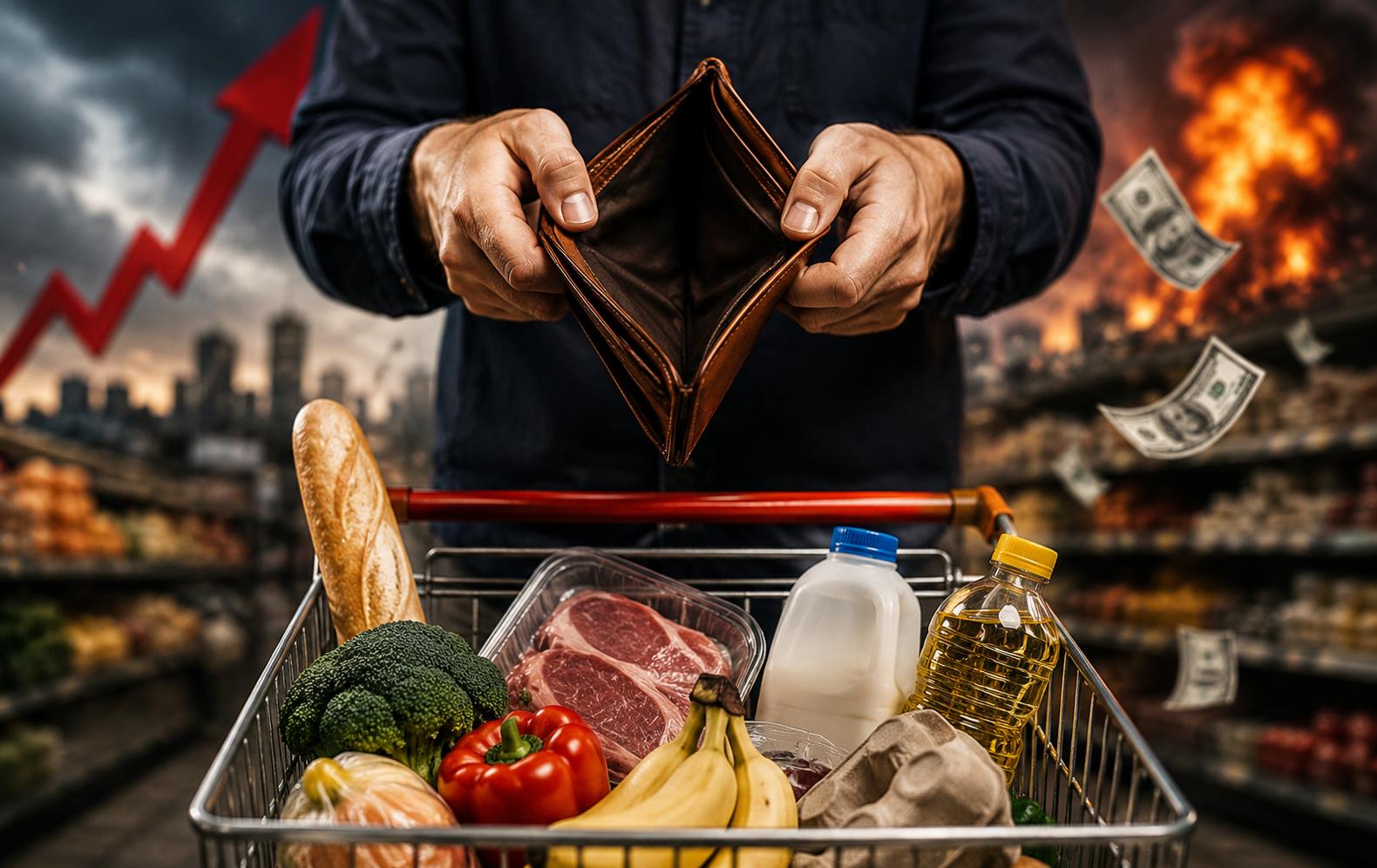
Since the Covid-19 pandemic disrupted the global economy, consumers have grown used to hearing the same explanation every time prices rise - increasing costs. From supermarket groceries to restaurant meals, energy bills to streaming subscriptions, even domain name registrations, businesses across nearly every sector have pointed to inflation, supply chain disruption and higher operating expenses as the reason customers are paying more.
But as inflation rates begin to cool in many countries, shoppers are increasingly asking a difficult question. Are all these higher prices really necessary, or have some companies simply realised consumers have become conditioned to accept paying more?
Economists say the truth sits somewhere in the middle. Many businesses genuinely faced significant increases in costs after the pandemic, while others may have used the economic climate as cover to quietly push prices higher than needed.
The Covid-19 shock changed global pricing forever.
When Covid-19 swept across the world in 2020, factories shut down, shipping routes slowed and labour shortages emerged almost overnight. The result was one of the largest disruptions to global supply chains in modern history.
The cost of transporting goods surged dramatically. Energy prices climbed. Raw materials became harder to source. Businesses that survived lockdown periods suddenly faced sharply higher expenses just to operate normally again.
For many industries, raising prices became unavoidable.
Restaurants paid more for ingredients and staff wages. Retailers struggled with freight costs. Manufacturers dealt with shortages in everything from microchips to packaging materials. Utility providers were hit by volatile energy markets following the pandemic and later geopolitical tensions.
Consumers initially accepted these increases because the economic disruption was visible everywhere.
But years later, many of those same price increases remain in place, even as some supply chain pressures have eased.
Consumers are noticing a pattern.
One reason frustration is growing is because price increases are now appearing in industries that are not directly tied to pandemic disruption anymore.
Subscription services, digital platforms and fast food chains have all continued increasing prices despite reporting strong profits. In some cases, companies have announced record earnings while simultaneously warning customers about rising operational costs.
That contradiction has fuelled accusations of what economists sometimes call "greedflation" - a term used to describe companies raising prices beyond what is necessary in order to increase profit margins.
The idea gained traction as major corporations across sectors reported stronger than expected financial performance during periods of high inflation.
For many households already struggling with the cost of living crisis, the optics have been difficult to ignore.
A shopper paying significantly more for groceries today than they did before the pandemic may reasonably wonder why prices have not fallen back when supply shortages improved.
Inflation created cover for aggressive pricing.
Experts say one of the unusual aspects of the post pandemic economy is that inflation itself may have changed consumer psychology.
During stable economic periods, customers are more likely to react negatively to price increases. But when inflation dominates headlines daily, businesses can raise prices with less resistance because consumers already expect costs to rise.
That created what some analysts describe as a "pricing umbrella".
Companies that faced legitimate cost increases raised prices out of necessity. At the same time, other businesses may have taken advantage of the wider inflation narrative to push through additional increases without attracting major backlash.
Some economists argue that consumers became less able to judge whether higher prices were truly justified because nearly every sector was using similar language about inflation and supply chain disruption.
The result was an environment where businesses had more freedom to test how much customers were willing to pay.
Legitimate pressures still remain for many businesses.
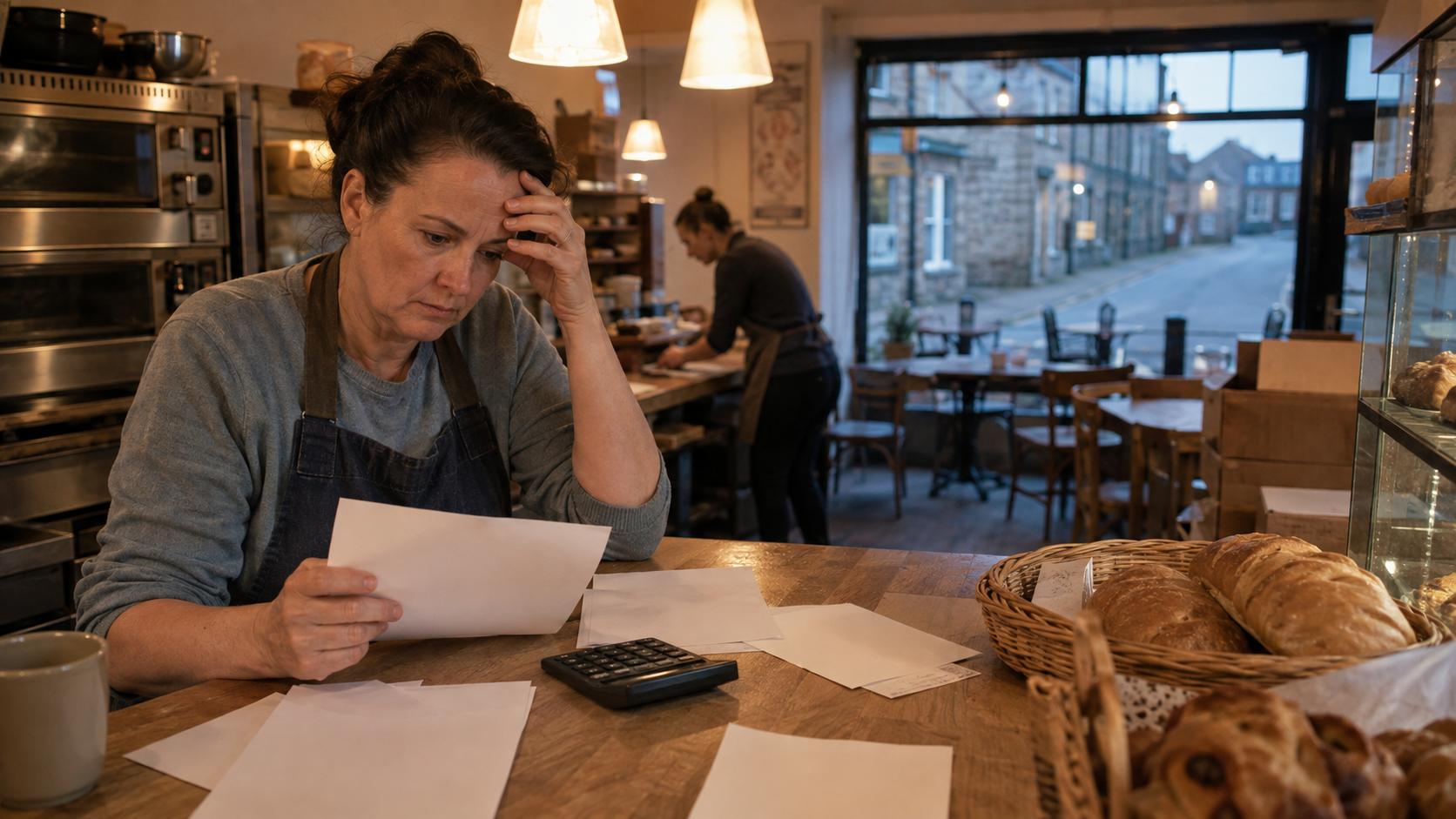
Despite criticism around corporate greed, many small and medium sized businesses say they are still under real financial strain.
Energy bills remain significantly higher than pre pandemic levels in many regions. Commercial rents have increased. Insurance costs have climbed sharply. Wage pressures continue as employers compete for workers in tight labour markets.
Independent restaurants, local retailers and small service providers often operate on thin profit margins and say they have little choice but to pass costs onto consumers.
Many business owners also argue that customers underestimate how expensive operations have become behind the scenes.
Food wholesalers, maintenance services, transport companies and software providers have all raised their own prices in recent years, creating a chain reaction that affects nearly every sector.
For smaller firms especially, absorbing those increases internally is often impossible.
Big corporations face growing scrutiny.
While smaller businesses often receive sympathy from consumers, multinational corporations are facing greater scrutiny over pricing strategies.
Governments and regulators in several countries have examined whether some companies used inflation as an opportunity to increase profits excessively.
The grocery sector in particular has become a major focus. Supermarkets around the world have faced criticism over food prices as households struggle with rising bills.
Energy companies and oil producers have also been heavily criticised after reporting huge profits during periods of economic hardship for consumers.
Critics argue that when corporations continue delivering record shareholder returns while customers face financial pressure, it weakens the argument that rising prices are purely unavoidable.
Businesses reject accusations of profiteering and insist pricing decisions reflect broader economic realities. Still, public distrust has grown.
Consumers are changing spending habits.
As prices continue climbing across multiple industries, many households are adapting their behaviour.
Consumers are shopping around more aggressively, switching to discount retailers and cancelling subscriptions they no longer consider essential. Restaurants and takeaway chains have reported changes in customer habits as people cut back on discretionary spending.
Private label supermarket products have also become increasingly popular as shoppers search for cheaper alternatives.
Some economists believe this shift could eventually force companies to rethink pricing strategies if consumers reach a breaking point.
There are already signs that resistance is growing. Several major brands have recently introduced promotions, discounts and value ranges after seeing customers reduce spending volumes.
That suggests there may be limits to how far businesses can continue pushing prices upward before demand starts weakening.
The debate over corporate greed is unlikely to disappear.
The economic aftermath of Covid-19 created one of the most unusual pricing environments in decades. Genuine inflationary pressures collided with changing consumer expectations, creating a situation where businesses had both real challenges and new opportunities to increase prices.
For consumers, separating legitimate cost increases from profit driven pricing has become increasingly difficult.
The reality is that both factors are likely true at the same time.
Some businesses are genuinely fighting higher expenses and tighter margins. Others may have recognised that inflation provided a rare opportunity to normalise higher prices and increase profits without immediate resistance.
As living costs remain high, public attention on corporate pricing decisions is only expected to intensify.
The question many consumers are now asking is no longer whether prices went up after Covid-19. It is whether they ever truly needed to rise this much in the first place.
What do you think about rising prices since Covid-19? Have businesses gone too far with price increases, or are higher costs unavoidable in today’s economy? Share your thoughts in the comments and join the discussion.
Business News
Businesses Blamed Rising Costs Since Covid - But Is It All Justified?
Advertisement


Comments (0)
You must be logged in to post comments.
Don't have an account? Register here
No comments yet. Be the first to share your thoughts!