
A controversial new online trend known as “ballmaxxing” is drawing growing concern from doctors, psychologists and online safety experts as videos and discussions continue spreading across TikTok, Reddit and manosphere communities.
The bizarre trend, which focuses on enlarging the scrotum through unsafe and often extreme methods, has become one of the latest offshoots of the wider “maxxing” culture dominating social media platforms in 2026.
Supporters describe it as another form of male self-improvement, while critics warn it represents a dangerous mix of body insecurity, online pressure and risky DIY experimentation.
What makes the trend particularly concerning for experts is its popularity among younger Gen Z men, many of whom have grown up entirely within the age of social media, influencer culture and algorithm-driven content.
As the trend gains attention online, medical experts are now issuing warnings about serious health complications linked to ballmaxxing, including infection, infertility and permanent physical damage.
What Is Ballmaxxing.
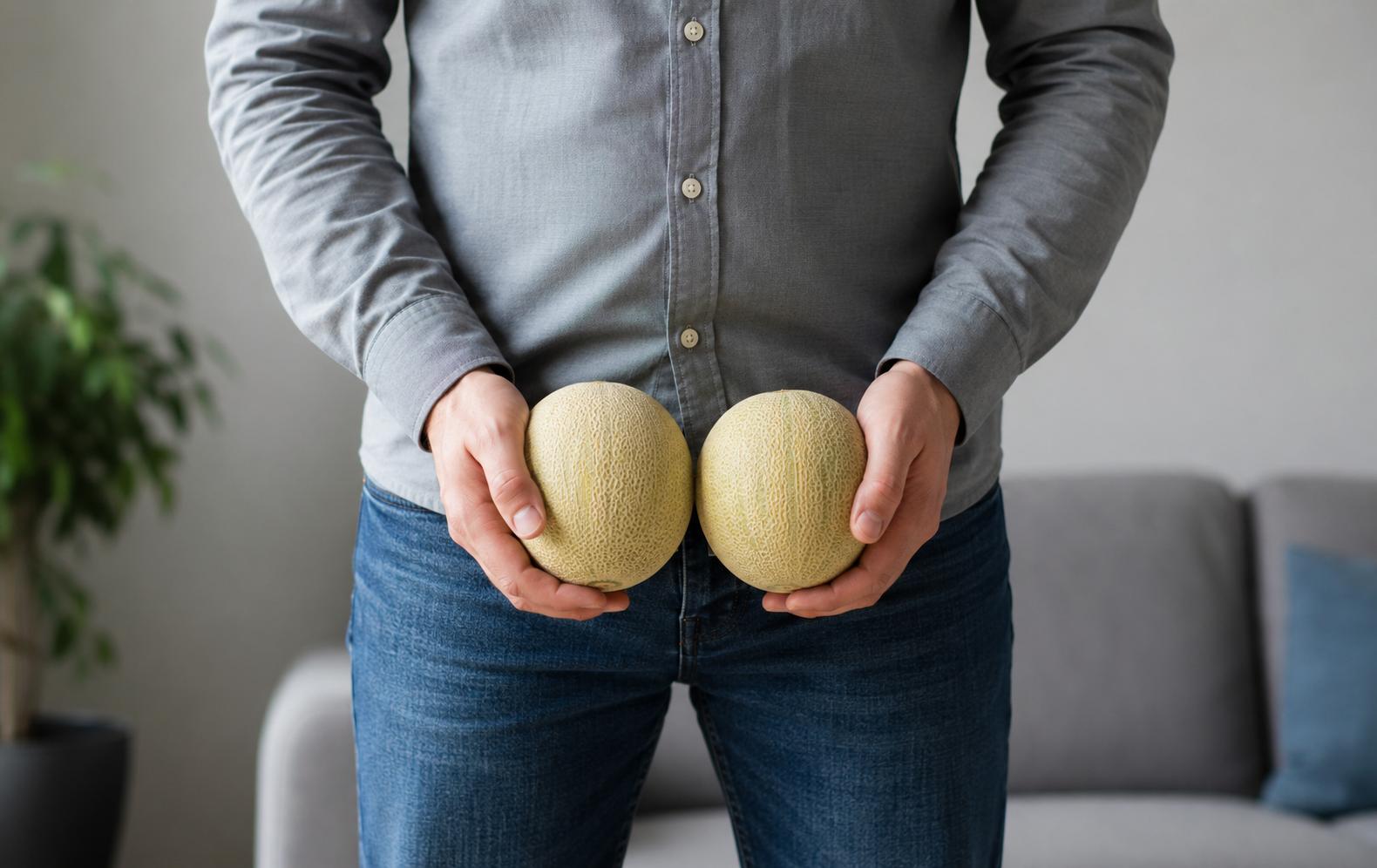
Ballmaxxing is a social media trend where men attempt to enlarge the appearance of their testicles or scrotum, usually through saline injections, pumping techniques or other forms of physical manipulation.
The practice is closely connected to the broader “looksmaxxing” and “manosphere” movements online, where users focus heavily on improving physical appearance and perceived masculinity.
The term comes from internet slang using the suffix “maxxing,” meaning to maximise or optimise a certain trait or behaviour.
While some forms of looksmaxxing involve ordinary fitness or grooming advice, ballmaxxing has become associated with much more extreme methods.
Online communities dedicated to the trend often share graphic before-and-after photos, tutorials and personal experiences discussing enlargement techniques.
Some users claim larger genitals improve confidence, masculinity or attractiveness, although there is little medical evidence supporting those beliefs.
Why Gen Z Is Being Linked To The Trend.
The rise of ballmaxxing has become heavily associated with Generation Z, commonly known as Gen Z.
Gen Z generally refers to people born between the late 1990s and early 2010s. Most experts place the generation between 1997 and 2012, meaning many Gen Z adults are currently in their late teens and twenties.
Unlike older generations, Gen Z has grown up almost entirely online.
Many members of Gen Z were introduced to smartphones, social media and influencer culture from a young age, creating a generation heavily shaped by internet trends, viral content and online communities.
Experts say this constant online exposure has dramatically changed how younger people view appearance, confidence and social status.
Platforms such as TikTok, Instagram, YouTube and Reddit expose users to endless streams of curated lifestyles, fitness content and beauty standards every single day.
Psychologists believe this can create intense pressure to appear attractive, successful and socially desirable online.
For young men, that pressure increasingly overlaps with manosphere culture and “maxxing” communities promoting constant self-improvement and optimisation.
What Is The Manosphere?
The manosphere is a broad collection of online communities focused on masculinity, dating, fitness, male self-improvement and modern gender issues.
Some areas of the manosphere focus on ordinary topics such as confidence, gym routines and financial advice.
However, critics argue other parts promote toxic masculinity, unrealistic beauty standards and unhealthy attitudes towards relationships and women.
Over the past few years, manosphere slang has become increasingly mainstream among younger social media users.
Terms such as looksmaxxing, gymmaxxing and mogging now regularly appear across TikTok videos, memes and podcasts aimed at Gen Z audiences.
Ballmaxxing is considered one of the more extreme examples of this growing internet culture.
Experts say trends like these often thrive because they combine insecurity, shock value and viral social media engagement.
Why Ballmaxxing Is Trending Online.
Part of the reason ballmaxxing is attracting attention is because it taps directly into wider anxieties surrounding masculinity, body image and dating culture among younger men.
Some social media users openly discuss fears about attractiveness, relationships and confidence, with many believing appearance has become more important than ever in online dating culture.
Influencers and podcast personalities also play a major role in spreading these trends.
Videos discussing controversial enhancement methods often generate millions of views because they provoke strong reactions ranging from curiosity to outrage.
Experts say social media algorithms reward highly engaging content, even when the topic itself may be dangerous or misleading.
That means shocking trends such as ballmaxxing can spread rapidly online, especially among younger audiences already immersed in internet culture.
Some psychologists believe the trend also reflects growing loneliness and insecurity among young men searching for identity and validation online.
Doctors Warn About Serious Health Risks.
Medical professionals are strongly warning against the practice, particularly DIY methods being promoted online.
Doctors say injecting saline or other substances into sensitive tissue can lead to severe infections, nerve damage, chronic pain and permanent reproductive problems.
Experts have also warned about risks including sepsis, tissue rupture and infertility linked to unsafe injections.
Because many procedures are being carried out outside sterile medical environments, the dangers become even greater.
Health professionals say some people following online tutorials may not fully understand the anatomy or risks involved before attempting the trend themselves.
Doctors also point out that the enlarged appearance created by saline injections is often temporary, meaning users may repeatedly carry out risky procedures to maintain the effect.
No recognised medical organisation supports ballmaxxing as a safe or legitimate enhancement method.
Social Media Pressure On Young Men (and Women).
The rise of ballmaxxing has reignited wider discussions about male body image pressures online.
For years, social media conversations around unrealistic beauty standards mainly focused on women, but experts say Gen Z men are increasingly experiencing similar pressures.
Young men are now constantly exposed to idealised physiques, wealth-focused lifestyles and highly edited online personas.
Some psychologists believe “maxxing” culture encourages users to treat themselves like ongoing self-improvement projects rather than ordinary people.
That mindset can push vulnerable users toward increasingly extreme behaviour in pursuit of confidence or online approval.
At the same time, some supporters argue many young men feel ignored in mainstream conversations around mental health and body insecurity.
They believe online self-improvement communities offer advice and support that traditional spaces often fail to provide.
Critics respond that some manosphere spaces exploit insecurity rather than helping solve it.
Could Social Media Platforms Crack Down.
As awareness grows, there are increasing calls for social media companies to restrict dangerous challenge content and medical misinformation linked to trends like ballmaxxing.
Some online forums reportedly contain detailed guides and graphic instructional posts encouraging risky DIY procedures.
Health experts believe stronger moderation may be needed to stop vulnerable users from attempting dangerous actions based on viral internet advice.
Others argue banning discussion entirely could simply push these communities into less visible corners of the internet.
A Viral Trend Reflecting Bigger Problems.
Although ballmaxxing may sound bizarre to many people, experts say the trend highlights much deeper issues surrounding modern internet culture.
From body insecurity and masculinity pressures to algorithm-driven content and influencer culture, the trend reflects how social media increasingly shapes self-worth among Gen Z users.
Doctors continue urging people not to attempt any form of DIY genital enhancement and to seek proper medical advice for genuine health concerns instead.
Whether ballmaxxing fades away quickly or becomes another long-term internet subculture remains unclear, but the controversy surrounding it has already sparked wider conversations about masculinity, mental health and online influence in 2026.
What do you think about the rise of ballmaxxing and are social media platforms doing enough to protect Gen Z users from dangerous viral trends? Share your thoughts in the comments and join the debate around online culture and men’s health.
Have “maxxing” trends become harmful for younger generations or are they simply another form of internet self-improvement? Let us know your views and stay updated with the latest viral social media news and trending stories.
Health News
Dangerous 'Ballmaxxing' Trend Sparks Health Fears Among Gen Z Men
Advertisement




Comments (0)
You must be logged in to post comments.
Don't have an account? Register here
No comments yet. Be the first to share your thoughts!