
Women across the UK are being encouraged to pay closer attention to the warning signs of low estrogen levels after health experts said many symptoms are often mistaken for stress, ageing or everyday exhaustion.
Estrogen plays a major role in the female body, helping regulate reproductive health, mood, bone strength, skin condition and energy levels. While hormone levels naturally fluctuate throughout life, significantly low estrogen can affect women of all ages and may have a noticeable impact on physical and emotional wellbeing.
Medical professionals say awareness around hormone health is improving, but many women still delay seeking advice because they do not realise their symptoms may be linked to declining estrogen levels.
What causes low estrogen levels.
Low estrogen is most commonly associated with menopause and perimenopause, but younger women can also experience hormonal imbalance for several reasons.
Intense exercise, poor diet, stress, certain medical conditions and some medications may all contribute to reduced estrogen production.
Women who have recently given birth, experienced eating disorders or undergone treatments affecting the ovaries may also notice symptoms linked to lower hormone levels.
Dr Emily Harper, a women’s health specialist, said many patients are surprised to discover how strongly estrogen affects overall health.
She said: “People often associate estrogen purely with fertility, but it also impacts sleep, mood, brain function, skin and bone health. When levels drop, the effects can appear throughout the body.”
Common signs and symptoms of low estrogen.
Experts say symptoms can vary depending on age, lifestyle and the severity of hormonal changes.
One of the most commonly reported signs is persistent fatigue. Women with low estrogen frequently describe feeling physically drained even after getting enough rest.
Hot flushes and night sweats are also strongly linked to declining estrogen levels, particularly during perimenopause and menopause.
Other symptoms may include:
Mood swings.
Anxiety or low mood.
Brain fog and memory problems.
Reduced sex drive.
Vaginal dryness.
Difficulty sleeping.
Weight gain around the stomach.
Headaches.
Joint pain.
Dry skin and thinning hair.
Irregular periods.
Some women also report a loss of confidence or feeling emotionally disconnected without understanding the hormonal changes happening within the body.
Sarah Collins, 47, from Newcastle, said she initially blamed stress for her symptoms.
She said: “I was constantly tired, forgetful and emotional. I genuinely thought I was just overwhelmed with work and family life until I spoke to my GP.”
Why low estrogen levels should not be ignored.
Health professionals warn that untreated hormone imbalance can sometimes lead to longer-term complications.
Estrogen plays an important role in maintaining bone density, which means prolonged low levels may increase the risk of osteoporosis and fractures later in life.
Heart health can also be affected because estrogen helps support healthy blood vessels and cholesterol levels.
Experts say low estrogen may additionally impact mental wellbeing, with some women experiencing increased anxiety, panic attacks or depression during hormonal changes.
Because symptoms can overlap with other medical conditions, doctors recommend seeking professional advice rather than self-diagnosing.
Natural ways women are supporting estrogen balance.
Alongside medical treatment options, many women are now exploring natural approaches to support hormone health and ease symptoms associated with low estrogen.
Nutrition is considered one of the most important factors. Health experts recommend focusing on balanced meals rich in protein, healthy fats and fibre while reducing excessive processed foods and sugar intake.
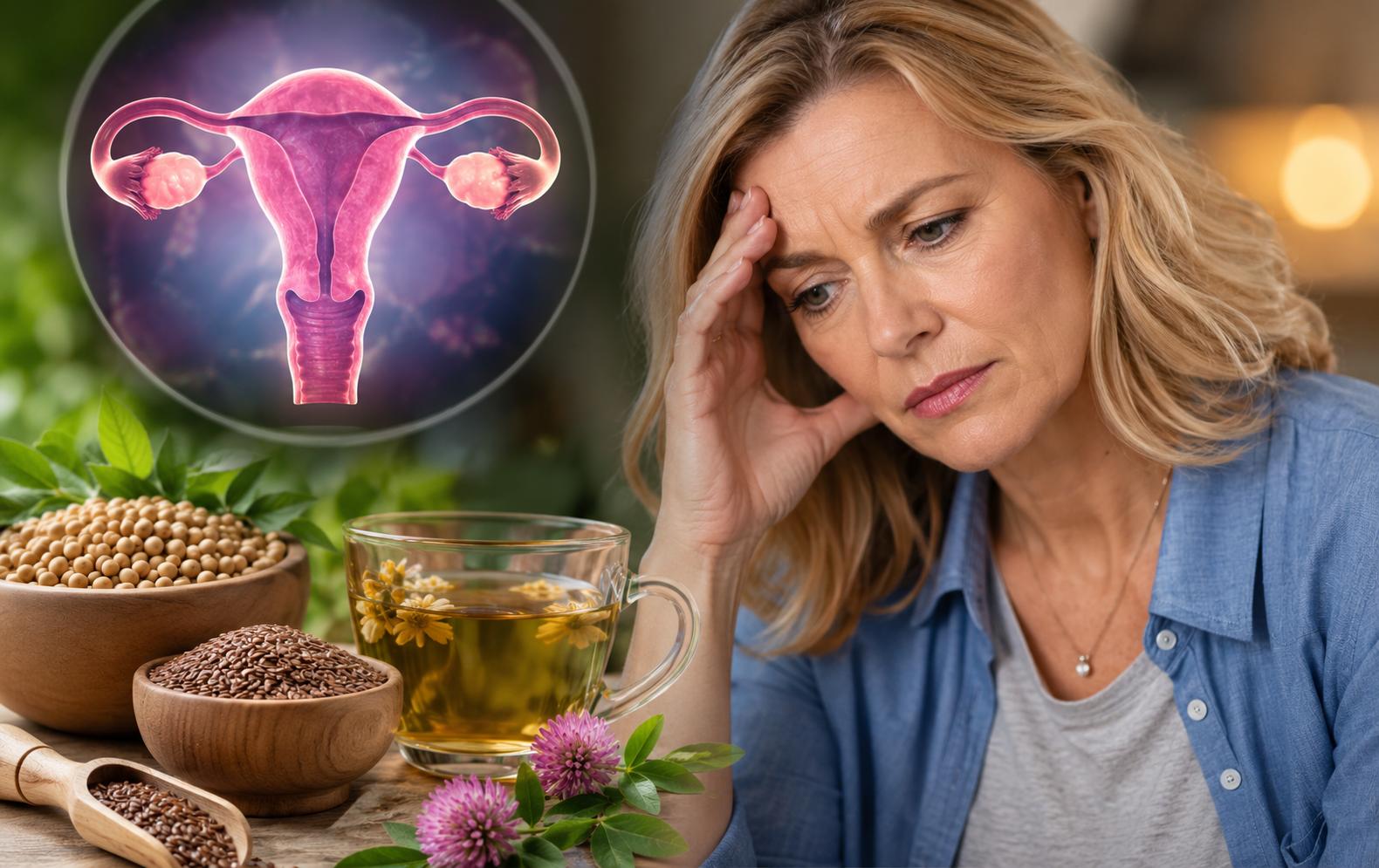
Foods containing phytoestrogens, which are naturally occurring plant compounds that may mimic estrogen in the body, are becoming increasingly popular.
Examples include:
Flaxseeds.
Soy products.
Chickpeas.
Lentils.
Sesame seeds.
Tofu.
Regular exercise may also help support hormone regulation, although experts warn against excessive overtraining which can sometimes worsen hormonal imbalance.
Stress reduction is another key focus. Chronic stress may interfere with hormone production, leading many women to introduce yoga, meditation, walking or mindfulness practices into their routine.
Sleep quality is equally important, with hormone specialists recommending consistent sleep schedules and reduced screen time before bed.
Supplements and hormone support products growing in popularity.
As awareness of hormonal wellbeing increases, many women are also researching supplements designed to support estrogen balance naturally.
Products containing ingredients such as black cohosh, red clover and evening primrose oil have become increasingly popular among women experiencing menopause or hormonal symptoms.
Experts advise speaking to a healthcare professional before starting supplements, particularly for women with existing health conditions or those taking medication.
Websites such as Estrogen Plus have also seen growing interest from women searching for information about hormone health, natural support options and lifestyle changes that may help improve symptoms. More information can be found at https://www.estrogenplus.com.
Lifestyle habits that may worsen symptoms.
Doctors say certain everyday habits can sometimes contribute to hormonal imbalance or make symptoms feel worse.
Smoking has been linked to reduced estrogen production and earlier menopause in some women.
Excessive alcohol consumption, poor sleep patterns and highly restrictive dieting may also negatively affect hormone health.
Some specialists believe long-term stress is becoming one of the biggest hidden contributors to hormone-related symptoms in younger women.
Claire Morgan, 39, from Manchester, said reducing stress made a noticeable difference to her wellbeing.
She said: “I started prioritising sleep, eating properly and exercising more gently instead of pushing myself constantly. Within a few months I felt much more like myself again.”
When women should seek medical advice.
Although natural remedies may help ease mild symptoms, experts stress that persistent or severe hormonal changes should always be discussed with a doctor.
Women experiencing irregular bleeding, severe mood changes, ongoing fatigue or symptoms affecting daily life are encouraged to seek professional assessment.
Blood tests may sometimes be used to evaluate hormone levels depending on age and symptoms.
Doctors say early support can often improve quality of life significantly while helping women better understand the changes happening within their bodies.
Awareness around hormone health continues to grow.
Health experts believe conversations around menopause and hormone imbalance are becoming more open than in previous years, helping women feel less isolated when symptoms appear.
However, many specialists still believe there is a lack of awareness around low estrogen symptoms outside of menopause itself.
As more women share their experiences online and through social media, understanding of hormone health is continuing to improve across different age groups.
Experts say recognising the early warning signs and making supportive lifestyle changes may help many women manage symptoms more effectively while improving long-term wellbeing.
Have you experienced symptoms linked to low estrogen levels? Share your experiences and natural remedies in the comments below.
Health News
Low Estrogen Symptoms Women Should Never Ignore
Advertisement



Comments (0)
You must be logged in to post comments.
Don't have an account? Register here
No comments yet. Be the first to share your thoughts!