
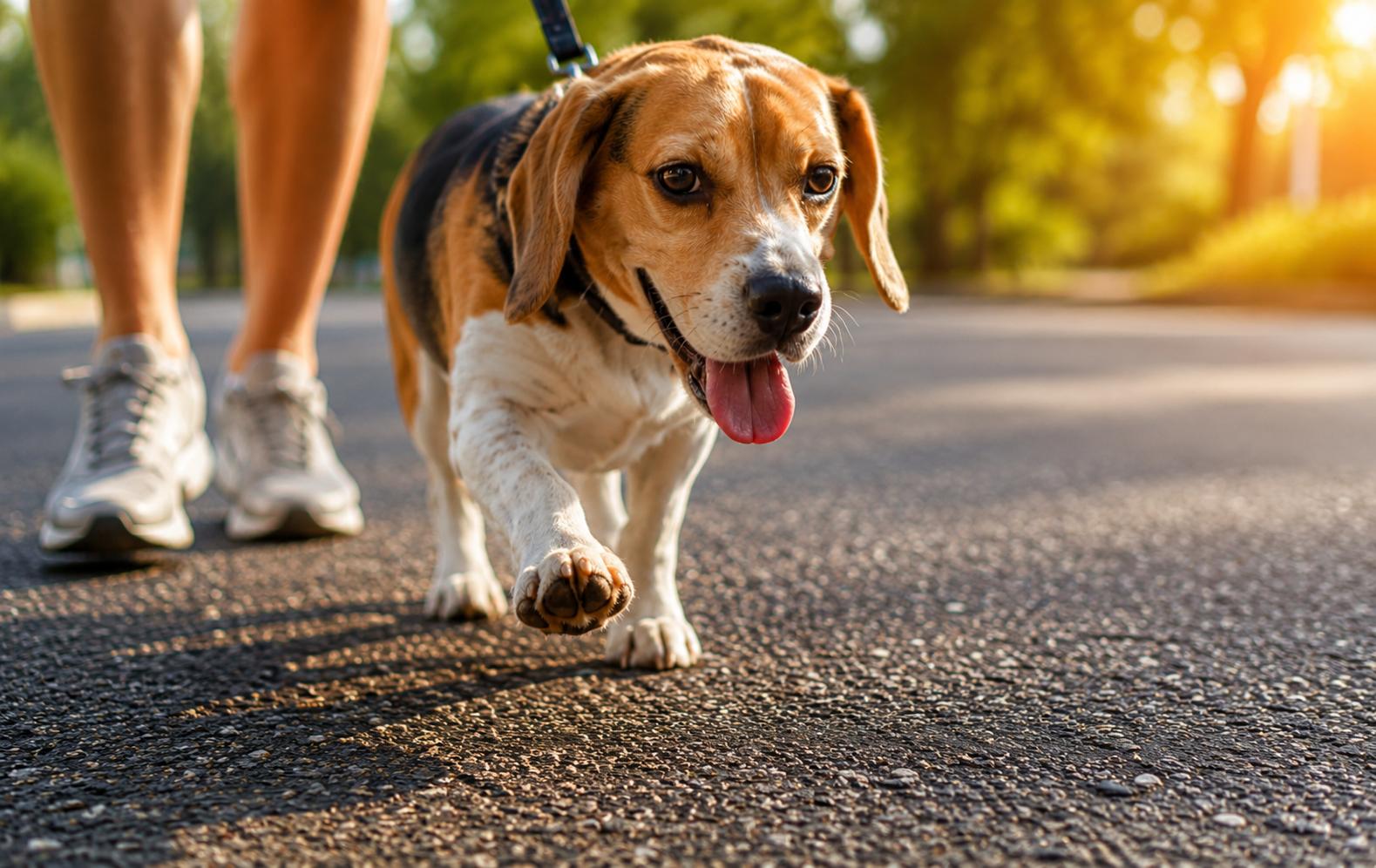
Dog owners across Newcastle are being urged to check pavement temperatures carefully before taking pets out during warm weather, as vets warn that hot tarmac can quickly cause painful burns to dogs’ paws.
With temperatures rising across the North East during summer months, animal welfare experts say many people underestimate just how dangerous pavements and roads can become during sunny conditions. While the air temperature may feel comfortable, dark tarmac surfaces can absorb heat rapidly and become hot enough to injure dogs within minutes.
Veterinary clinics and animal charities regularly see an increase in heat-related injuries during warmer weather, particularly during heatwaves when pavements remain hot well into the evening. Experts say a few simple checks before leaving home can help Newcastle pet owners avoid unnecessary injuries and protect their dogs from serious discomfort.
Why hot pavements are dangerous for dogs.
Dogs rely on the pads of their feet to walk comfortably across different surfaces, but despite appearing tough, paw pads are highly sensitive to extreme heat.
Tarmac and pavements absorb sunlight throughout the day, often reaching temperatures far higher than the surrounding air. On particularly warm afternoons, surfaces across Newcastle city centre, residential streets and busy walking routes can become dangerously hot for animals.
Unlike humans, dogs do not wear shoes unless owners use protective paw coverings. This means every step on overheated ground directly exposes their paws to the heat.
Veterinary professionals warn that burns can happen surprisingly quickly. In some cases, dogs may suffer blistering, swelling or peeling skin after only a short walk on hot surfaces.
Busy urban areas around Newcastle can become especially problematic during hot weather because roads, pavements and concrete retain heat for longer periods. Even when temperatures begin to cool later in the day, the ground itself may still remain dangerously warm.
The simple test Newcastle dog owners should use.
Animal welfare charities recommend a straightforward way to check whether pavements are safe before walking dogs in hot weather.
Known as the “seven-second rule”, the advice involves placing the back of your hand on the tarmac for at least seven seconds. If the surface feels too hot to hold comfortably, it is also too hot for a dog’s paws.
The test has become widely shared by vets and pet organisations across the UK because it offers owners a quick way to judge surface temperatures before setting off for walks.
Experts say the check is particularly important during sunny afternoons when pavements in Newcastle can become significantly hotter than shaded grass or parkland areas nearby.
Dog owners are also encouraged to think about where they walk. Surfaces exposed to direct sunlight all day are likely to remain hotter than shaded routes beneath trees or alongside parks.
Best times to walk dogs during hot weather.
Many vets recommend changing normal walking routines during periods of warm weather to reduce the risk of injuries and overheating.
Early morning is generally considered the safest time to walk dogs because pavements and roads have cooled overnight. Temperatures are usually far lower before the midday sun begins heating surfaces across the city.
Late evening walks may also be safer once the sun has gone down and pavements have had time to cool. However, experts still advise checking tarmac temperatures carefully because roads can retain heat long after sunset.
Shorter walks are often recommended during particularly warm days, especially for older dogs, overweight pets or breeds more vulnerable to heat-related illness.
Dogs with flat faces, including French Bulldogs, Pugs and Bulldogs, may struggle more in hot weather because they find it harder to regulate body temperature efficiently.
Newcastle parks offer safer alternatives.
Many dog owners in Newcastle upon Tyne are choosing greener walking routes during warmer weather to avoid overheated pavements.
Large outdoor spaces such as Town Moor, Exhibition Park, Jesmond Dene and Leazes Park provide grassy areas and shaded paths that can be much cooler than city centre streets.
Natural ground surfaces absorb less heat than tarmac and are generally safer for dogs during hot conditions. Shaded woodland trails and riverside walks can also help reduce the risk of overheating.
Experts say owners should always carry water during summer walks and make sure dogs have opportunities to rest in cooler areas.
Some pet owners are also turning to indoor activities during heatwaves to keep dogs mentally stimulated without exposing them to dangerous temperatures outdoors. Training exercises, puzzle toys and scent games can all help pets stay active safely.
Warning signs your dog may be struggling.
Vets are urging Newcastle dog owners to watch carefully for signs that their pets may be suffering from hot surfaces or overheating during walks.
One of the earliest warning signs is reluctance to continue walking. Dogs experiencing discomfort may suddenly stop, limp or repeatedly lift their paws from the ground.
Some animals may attempt to move onto grass or shaded areas to avoid the heat beneath their feet. Others may begin licking or chewing their paws once they return home.
Burned paw pads can appear red, swollen or blistered. In more serious cases, skin may peel away, leaving painful open wounds.
Heat exhaustion is another major concern during warm weather. Excessive panting, drooling, weakness, vomiting or collapse can all indicate dangerous overheating.
Veterinary professionals say owners should seek medical advice immediately if they suspect their dog has suffered burns or heatstroke.
Heatwaves increase risks across the North East.
Weather experts say the North East has experienced increasingly warmer summers in recent years, leading to growing concern around pet safety during heatwaves.
Animal charities regularly launch seasonal awareness campaigns reminding owners not to underestimate the risks posed by hot pavements, parked cars and excessive exercise during warm conditions.
Newcastle vets say many injuries are entirely preventable if owners adapt their routines and avoid walking dogs during the hottest parts of the day.
Social media has also helped spread awareness, with veterinary practices sharing images of burned paw injuries to highlight the dangers of overheated tarmac.
Experts believe education remains one of the most effective ways to reduce injuries, especially during periods of unusually high temperatures.
Why prevention is better than treatment.
Treating paw burns can be painful, stressful and expensive for both dogs and owners. Severe injuries may require bandaging, medication and weeks of restricted movement while paws heal properly.
Veterinary teams say prevention is always the safest approach. Simple checks before leaving home can help owners avoid unnecessary suffering and ensure dogs remain healthy throughout the summer.
Planning walks around cooler times of day, using grassy routes and testing pavements before setting off are all considered effective ways to reduce risk.
Owners are also encouraged to pay close attention to weather forecasts during heatwaves and avoid long walks entirely if temperatures become extreme.
For many Newcastle dog owners, adapting routines during summer has become increasingly important as hotter weather becomes more common across the region.
Keeping dogs safe during Newcastle’s warmer months.
As temperatures continue rising across Newcastle upon Tyne and the wider North East, vets and animal welfare experts are urging dog owners to think carefully before walking pets on hot pavements.
While many people enjoy getting outdoors during sunny weather, experts say protecting dogs from burns and overheating should always come first.
Checking tarmac temperatures, choosing shaded walking routes and avoiding the hottest parts of the day can all help reduce the risk of injury.
By taking a few simple precautions, Newcastle pet owners can continue enjoying safe summer walks while protecting their dogs from painful heat-related injuries.
Have you changed your dog walking routine during hot weather in Newcastle?
Lifestyle News
Newcastle Dog Walkers Urged to Follow Crucial 7-Second Test
Advertisement





Comments (0)
You must be logged in to post comments.
Don't have an account? Register here
No comments yet. Be the first to share your thoughts!