
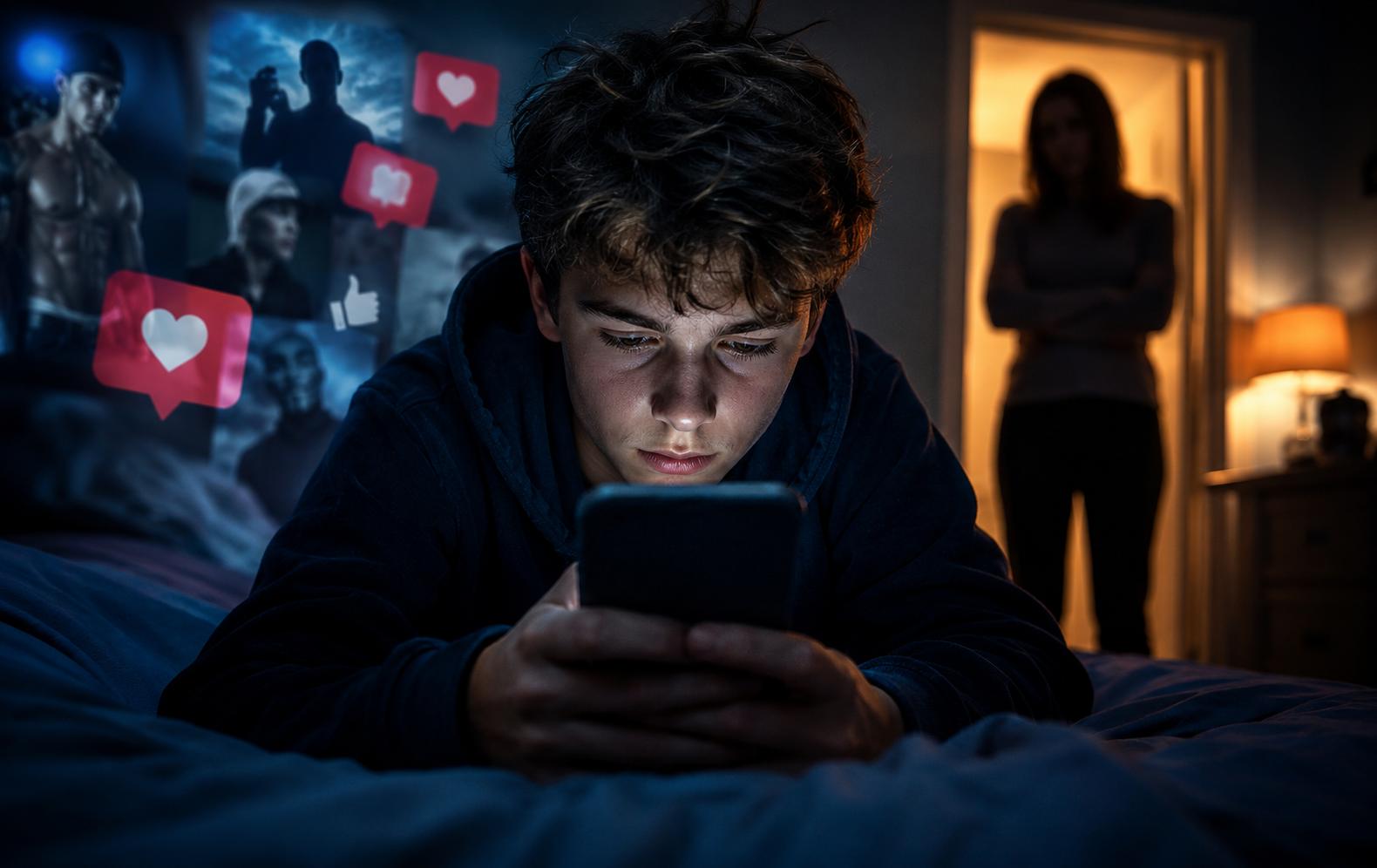
Parents across Newcastle are becoming increasingly concerned about the amount of time children and teenagers are spending on social media, as experts warn of rising mental health issues, dangerous online influences and growing addiction-like behaviour among young users.
From endless scrolling on TikTok and Instagram to exposure to toxic online communities and harmful “manosphere” content, many families say social media is becoming one of the biggest challenges facing modern parenting.
Teachers, youth workers and mental health professionals in the North East are now warning that some children are struggling to disconnect from their phones, with excessive screen time increasingly linked to anxiety, sleep disruption, low self-esteem and social isolation.
The issue has become especially worrying among teenagers, many of whom spend several hours a day online consuming short-form content designed to keep users engaged for as long as possible.
What Social Media Addiction Looks Like In Children And Teens.
Experts say social media addiction can often develop gradually, making it difficult for parents to recognise the warning signs early.
One of the most common indicators is a child becoming emotionally dependent on their phone or social media apps. Many teenagers experience anxiety, frustration or anger when they cannot access their devices, while others constantly check notifications even during meals, family conversations or schoolwork.
Parents in Newcastle have also reported changes in sleep patterns, with children staying awake late into the night scrolling through videos or messaging friends online.
Other signs can include withdrawal from hobbies, declining school performance, reduced face-to-face social interaction and noticeable mood swings linked to online activity.
Mental health specialists say some teenagers become trapped in cycles of comparison and validation, where likes, comments and follower counts begin affecting confidence and emotional wellbeing.
The addictive nature of modern apps is also a major concern. Social media platforms are specifically designed to maximise engagement through endless feeds, personalised algorithms and constant notifications, making it increasingly difficult for young users to switch off.
The Mental Health Risks Are Becoming More Serious.
Health professionals say excessive social media use is contributing to rising mental health pressures among children and teenagers across the UK.
Studies have linked heavy social media use to increased levels of anxiety, depression and loneliness, particularly among young people who spend long periods online without healthy boundaries.
Many teenagers are exposed to unrealistic beauty standards, luxury lifestyles and edited content that can damage self-esteem and body image. Experts say this constant comparison culture can leave young users feeling inadequate or isolated.
Cyberbullying also remains a major issue. Unlike traditional bullying, online harassment can follow children into their homes and continue around the clock through messages, group chats and social media posts.
Some mental health charities have also warned that constant exposure to distressing news, violent videos or toxic online arguments can leave teenagers emotionally overwhelmed.
In severe cases, experts say social media addiction can contribute to panic attacks, self-harm behaviour and serious emotional distress.
The Growing Threat Of Manosphere Content Online.
One of the biggest concerns currently facing parents is the rise of “manosphere” content being promoted to teenage boys online.
The manosphere refers to online communities and influencers that often promote misogynistic views, aggressive masculinity and anti-women narratives. Much of this content spreads through platforms such as TikTok, YouTube, Instagram and podcasts, where controversial opinions are frequently amplified by recommendation algorithms.
Experts say some teenage boys are being exposed to harmful messaging at increasingly young ages, often without parents realising what content they are consuming online.
Youth workers in Newcastle say many parents are unaware of how quickly social media algorithms can push teenagers toward more extreme material once they begin engaging with certain videos or creators.
Some manosphere influencers present themselves as motivational figures offering advice on confidence, money and fitness, but critics warn the content can gradually introduce dangerous attitudes toward women, relationships and society.
Teachers and safeguarding professionals have raised concerns that exposure to this type of content may contribute to aggressive behaviour, emotional isolation and distorted views about masculinity.
Physical Health Problems Linked To Excessive Screen Time.
The dangers of social media addiction are not limited to mental health alone. Doctors say physical health problems linked to excessive screen time are becoming more common among children and teenagers.
Sleep deprivation is one of the biggest issues. Many teenagers stay awake late into the night using social media, often losing several hours of sleep each week. Poor sleep has been linked to reduced concentration, lower academic performance and worsening mental health.
Eye strain, headaches and poor posture are also increasingly common among young people who spend long periods looking at screens.
Experts have also warned that excessive phone use can reduce physical activity levels, contributing to weight gain and lower overall fitness among children and teenagers.
Some parents say social media has also reduced family interaction, with many children spending more time online than engaging in conversations, outdoor activities or hobbies.
How Newcastle Parents Can Spot The Warning Signs Early.
Safeguarding experts say early intervention is one of the most effective ways parents can help children develop healthier relationships with technology.
Parents are encouraged to monitor sudden behavioural changes, including secretive phone use, emotional reactions when devices are removed and noticeable drops in mood after spending time online.
Experts also recommend open conversations about social media rather than aggressive restrictions or punishments, which can sometimes push children further into isolated online spaces.
Creating device-free times at home, encouraging outdoor activities and maintaining healthy sleep routines can also help reduce excessive screen use.
Many Newcastle schools are now increasing online safety education, teaching pupils about harmful content, cyberbullying and the dangers of algorithm-driven social media feeds.
Mental health organisations say parents should also pay attention to the content children consume online, particularly videos promoting extreme ideologies, toxic masculinity or harmful lifestyle advice.
Why Experts Believe The Problem Could Get Worse.
Experts believe social media addiction among teenagers may continue growing as platforms become more sophisticated and algorithms become increasingly effective at holding users’ attention.
Short-form video content, livestreaming and AI-driven recommendations are designed to maximise engagement, meaning young users can quickly become trapped in endless cycles of scrolling and content consumption.
Mental health professionals say society is still struggling to fully understand the long-term psychological effects social media may have on developing brains.
While technology itself is not inherently harmful, experts argue that a lack of regulation, parental awareness and digital education is allowing dangerous trends to spread rapidly among children and teenagers.
For many Newcastle parents, the challenge is no longer whether social media affects young people, but how to protect children from its most harmful influences while still allowing them to participate in modern digital life.
How can parents better protect their children and teens online? Share your thoughts in the comments.
Tech News
Newcastle Parents Facing Growing Concerns Over Social Media Addiction
Advertisement





Comments (0)
You must be logged in to post comments.
Don't have an account? Register here
No comments yet. Be the first to share your thoughts!