
Saudi Arabia’s Public Investment Fund is reportedly holding talks with potential investors as Newcastle United edges closer to one of the biggest decisions in the club’s modern history - whether to redevelop the iconic St James’ Park or build a brand-new stadium in Newcastle upon Tyne.
The discussions could represent a defining moment not only for Newcastle United but also for the wider city, with proposals expected to reshape the skyline, economy and sporting future of Tyneside for decades to come.
The Saudi-backed fund, commonly known as PIF, currently owns 85 per cent of Newcastle United following the high-profile takeover completed in 2021. Since then, the club has undergone a dramatic transformation both on and off the pitch, returning to the Champions League conversation while investing heavily in infrastructure and long-term growth.
Now attention is increasingly turning towards the future home of Newcastle United, with club executives assessing whether St James’ Park can realistically deliver the scale and commercial opportunities needed to compete with Europe’s elite clubs.
Newcastle United weighing up two major stadium options.
At the centre of discussions is a decision that has divided supporters across Newcastle upon Tyne. The club is currently exploring two possible routes - expanding St James’ Park or constructing an entirely new stadium close to the existing ground.
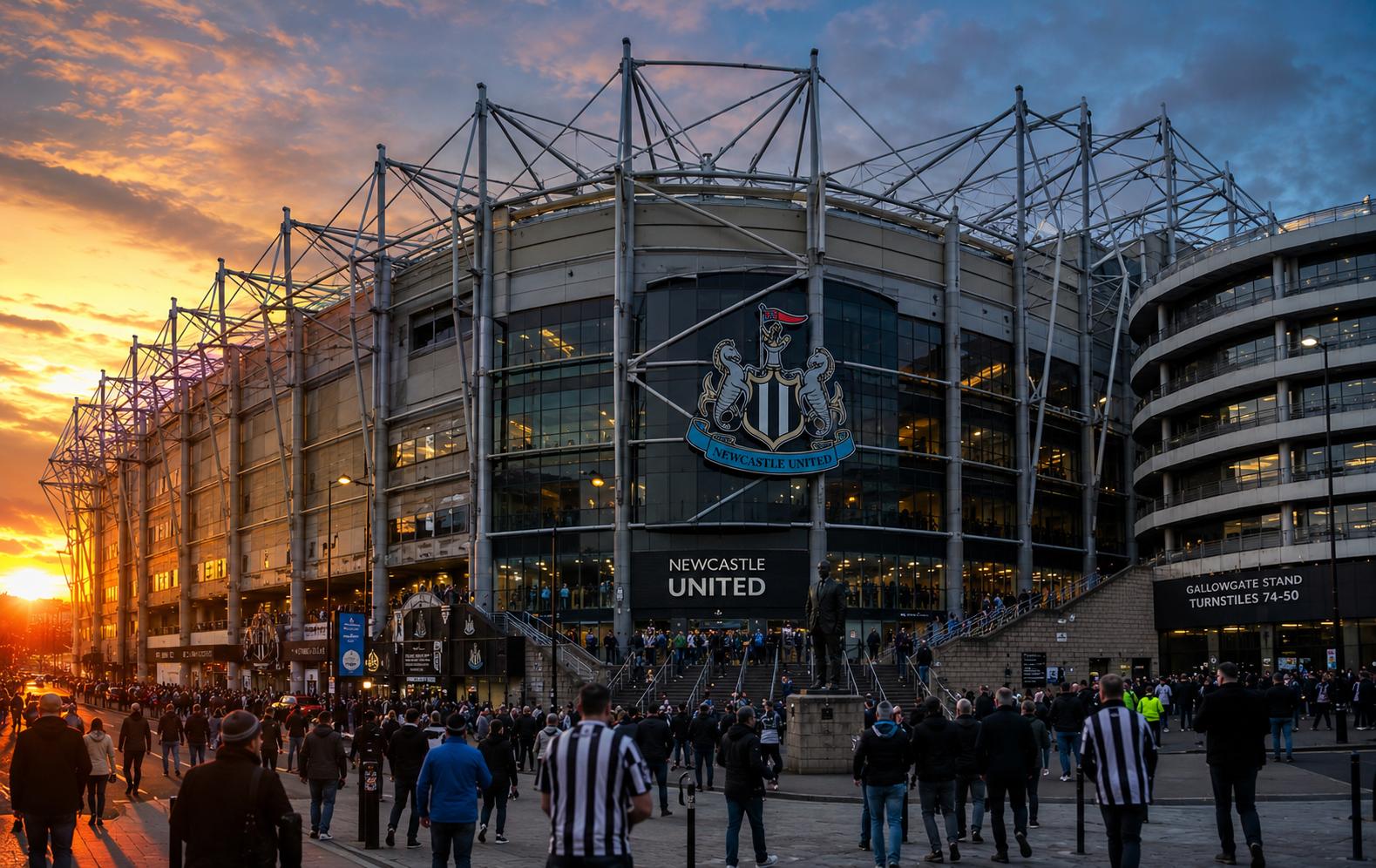
St James’ Park remains one of the most recognisable football stadiums in the country. Towering over Newcastle city centre, the stadium is deeply woven into the identity of the city and the football club itself.
However, despite its iconic status, the ground presents major architectural and logistical challenges.
The current capacity sits at around 52,300, making it one of the largest club stadiums in England. Yet internal assessments suggest expansion opportunities may only increase that figure to somewhere between 60,000 and 62,000 seats.
That limitation is becoming increasingly important as Newcastle United attempts to establish itself among the Premier League’s financial heavyweights.
By comparison, Manchester United’s Old Trafford currently holds more than 74,000 supporters, while Tottenham Hotspur Stadium has become one of Europe’s leading modern sporting venues with a capacity exceeding 62,000 and major non-football revenue streams.
Club executives are believed to see long-term stadium growth as essential if Newcastle are to compete commercially with the very biggest sides in world football.
New stadium plans could transform Newcastle upon Tyne.
A completely new stadium would likely involve a capacity of between 65,000 and 70,000 spectators, potentially creating one of the largest football venues in the United Kingdom.
That proposal has sparked enormous interest across Newcastle upon Tyne, with supporters already debating how a modern super stadium could reshape the city.
One of the leading options under consideration is a site at nearby Leazes Park, located adjacent to St James’ Park and within walking distance of Newcastle city centre.
The location would allow Newcastle United to remain close to its historic home while creating a state-of-the-art stadium capable of hosting major sporting and entertainment events throughout the year.
Feasibility studies are currently underway to determine whether the Leazes Park proposal is viable, with environmental concerns, transport infrastructure and local planning considerations all likely to play major roles.
Reports have also suggested the club has assessed another city-centre location as part of wider discussions surrounding the future of the stadium project.
A new stadium could dramatically alter Newcastle’s economy.
Large-scale sporting venues increasingly operate as entertainment hubs rather than football-only grounds. Executives at top clubs now focus heavily on hospitality revenue, concerts, naming rights, conferences and international events.
If Newcastle United moved into a modern 70,000-seat venue, the economic impact on Newcastle could be enormous.
PIF exploring investment opportunities linked to stadium funding.
According to reports, Saudi Arabia’s Public Investment Fund is now considering options involving minority investment in Newcastle United as part of wider fundraising efforts connected to the stadium project.
A new stadium is expected to cost well over £1 billion, making external funding increasingly important.
Newcastle United chief executive David Hopkinson recently acknowledged the scale of potential costs involved, highlighting just how ambitious the plans could become.
While PIF remains enormously wealthy, football finance rules and wider investment strategies mean outside investment could play a significant role in helping deliver the project.
Selling a minority stake in Newcastle United could provide additional capital while reducing the financial pressure associated with such a large infrastructure development.
It would also allow PIF to spread financial risk while continuing to maintain overall control of the football club.
The possibility of new investors joining Newcastle United has already generated intense speculation among supporters and football finance experts alike.
Some fans view additional investment as a necessary step if Newcastle are to compete with clubs backed by powerful commercial operations and billion-pound stadiums.
Others remain cautious about preserving the club’s identity and ensuring any new partners align with Newcastle United’s long-term ambitions.
Why modern stadiums matter in Premier League football.
The financial importance of stadiums has changed dramatically over the past decade.
For elite clubs, stadiums are no longer simply places where matches are played every other weekend. They are now year-round business operations capable of generating hundreds of millions of pounds annually.
Tottenham Hotspur Stadium is often referenced as the benchmark for modern football infrastructure. Alongside Premier League matches, the venue hosts NFL games, concerts, boxing events and corporate experiences.
Manchester City have similarly expanded the Etihad Campus into a wider sports and entertainment district.
Newcastle United’s ownership group is believed to see similar opportunities in Newcastle upon Tyne.
A larger and more modern stadium would likely boost matchday income significantly while attracting major non-football events to the North East.
That could bring wider benefits to hotels, restaurants, bars and local businesses throughout Newcastle city centre.
Tourism could also receive a major boost if Newcastle developed a globally recognised sporting venue capable of hosting international events.
St James’ Park remains emotionally important to supporters.
Despite excitement surrounding the idea of a new stadium, many supporters remain deeply attached to St James’ Park.
For generations of Newcastle United fans, the stadium represents far more than football.
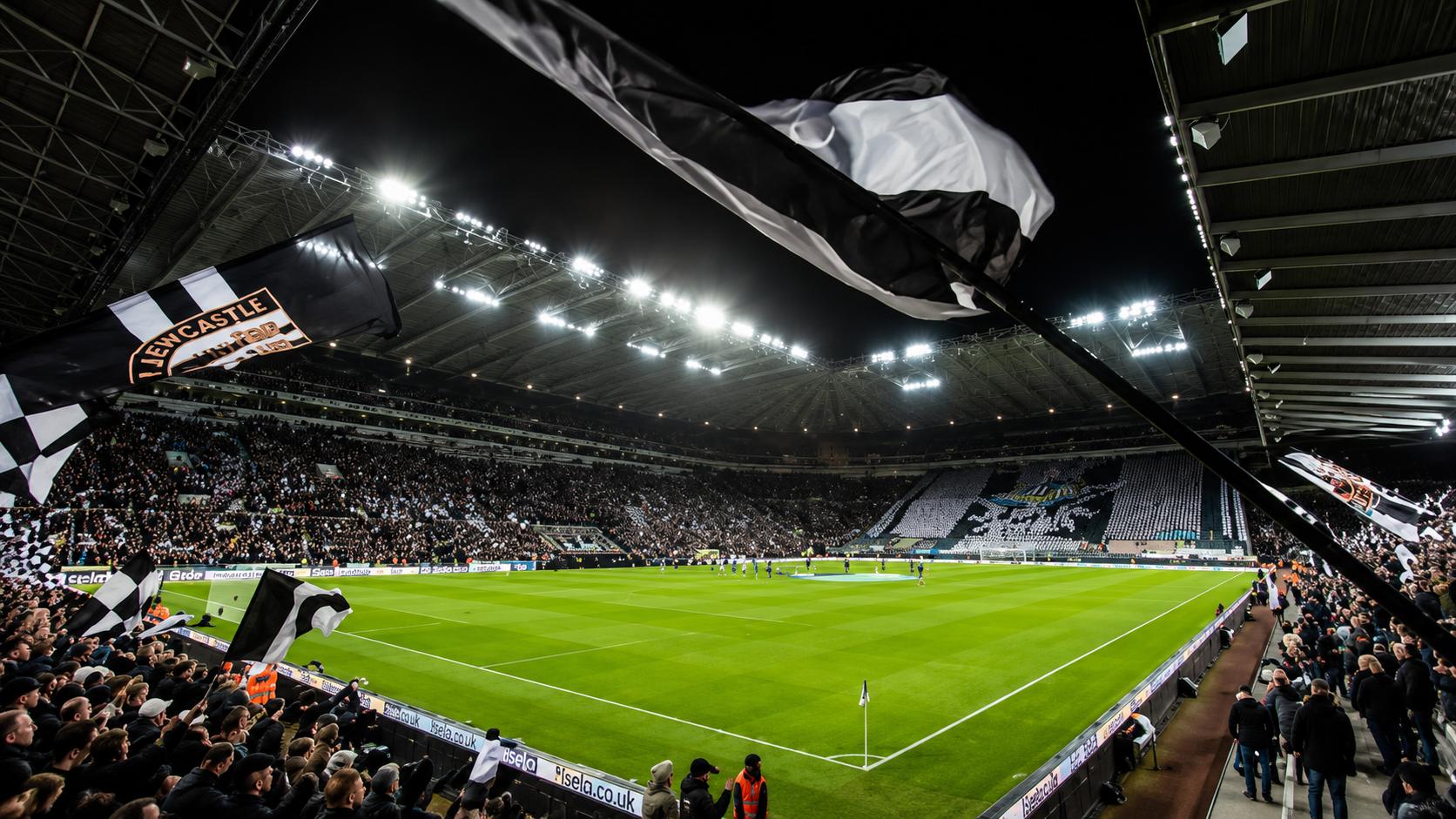
Its city-centre location, towering stands and intense atmosphere have helped make it one of the most distinctive grounds in European football.
Matchdays transform Newcastle upon Tyne, with thousands of supporters pouring through the streets surrounding the stadium hours before kick-off.
Many fans fear moving away from St James’ Park could damage the identity and atmosphere that makes Newcastle United unique.
Others argue that modernisation is necessary if the club truly wants to compete with Europe’s elite sides in the long term.
The debate has become one of the biggest talking points among supporters in recent months, with opinion often split between tradition and ambition.
Newcastle continuing investment away from the first team.
While stadium discussions dominate headlines, Newcastle United is also continuing to invest heavily in other areas of the club.
Work is ongoing on a major expansion of the club’s training centre, with reports suggesting the upgraded complex will increase its footprint by more than 50 per cent.
The project forms part of wider efforts to modernise Newcastle United’s infrastructure following years of underinvestment before the Saudi-backed takeover.
Improvements have also continued at St James’ Park itself, including floodlight upgrades and seat replacement programmes.
Although these changes may appear relatively minor compared to billion-pound stadium discussions, they underline the ownership’s commitment to improving facilities across the club.
Executives are believed to see infrastructure development as essential for attracting elite players, improving commercial growth and strengthening Newcastle United’s long-term competitiveness.
PIF reducing spending across some sports investments.
The timing of Newcastle United’s stadium planning comes amid broader changes within Saudi Arabia’s sporting investment strategy.
PIF has spent heavily across global sport in recent years, investing in football, golf, boxing, esports, Formula E and tennis.
However, reports suggest the sovereign wealth fund has recently started reassessing certain commitments as Saudi Arabia prepares to host the 2034 FIFA World Cup.
The fund has reportedly decided to withdraw financial support from LIV Golf after the current season while also reducing involvement in snooker investments.
Industry analysts believe the shift reflects a growing focus on projects viewed as strategically important ahead of the World Cup.
Newcastle United remains one of Saudi Arabia’s most high-profile sporting assets globally, meaning stadium development is likely to remain a major priority.
A world-class venue in Newcastle upon Tyne could strengthen the club’s commercial profile internationally while reinforcing Saudi Arabia’s wider sporting ambitions.
What happens next for Newcastle United stadium plans.
For now, Newcastle United supporters continue waiting for clarity on which option the club will ultimately choose.
Any decision involving a new stadium would likely require years of planning, consultation and construction before becoming reality.
Complex planning approvals, environmental assessments and transport considerations would all need to be addressed before work could begin.
Expanding St James’ Park may prove quicker and potentially less controversial, but it could limit future growth opportunities.
A brand-new stadium would offer greater long-term commercial benefits but could fundamentally change the identity of Newcastle United matchdays.
Either way, the scale of ambition surrounding the club is becoming increasingly clear.
Newcastle United is no longer simply thinking about surviving in the Premier League. The club’s leadership is planning for a future where Newcastle competes consistently among Europe’s footballing elite.
And at the heart of that future sits one defining question - what should be the next home of Newcastle United?
Do you think Newcastle United should expand St James’ Park or build a brand-new stadium in Newcastle? Share your thoughts in the comments and join the debate surrounding the club’s biggest decision in decades.
Sports News
Saudi Arabia Could Help Fund Newcastle United’s New Billion-Pound Stadium
Advertisement



Comments (0)
You must be logged in to post comments.
Don't have an account? Register here
No comments yet. Be the first to share your thoughts!