
For many households, ironing is simply part of the laundry routine. A freshly pressed shirt or neatly ironed bedsheet can make fabrics look crisp and well cared for. However, experts warn that not every item in your laundry basket should come into contact with a hot iron.
In fact, ironing certain fabrics and household items can cause permanent damage, reduce their effectiveness, and even shorten their lifespan. From fluffy towels to moisture-wicking gym gear, many everyday items are designed to perform best when left unpressed.
According to research from YouGov, ironing has become one of the least popular household chores, with many people actively looking for ways to reduce the amount of time they spend doing it. While that may be welcome news for busy homeowners, it is also a reminder that knowing what not to iron can be just as important as knowing what should be pressed.
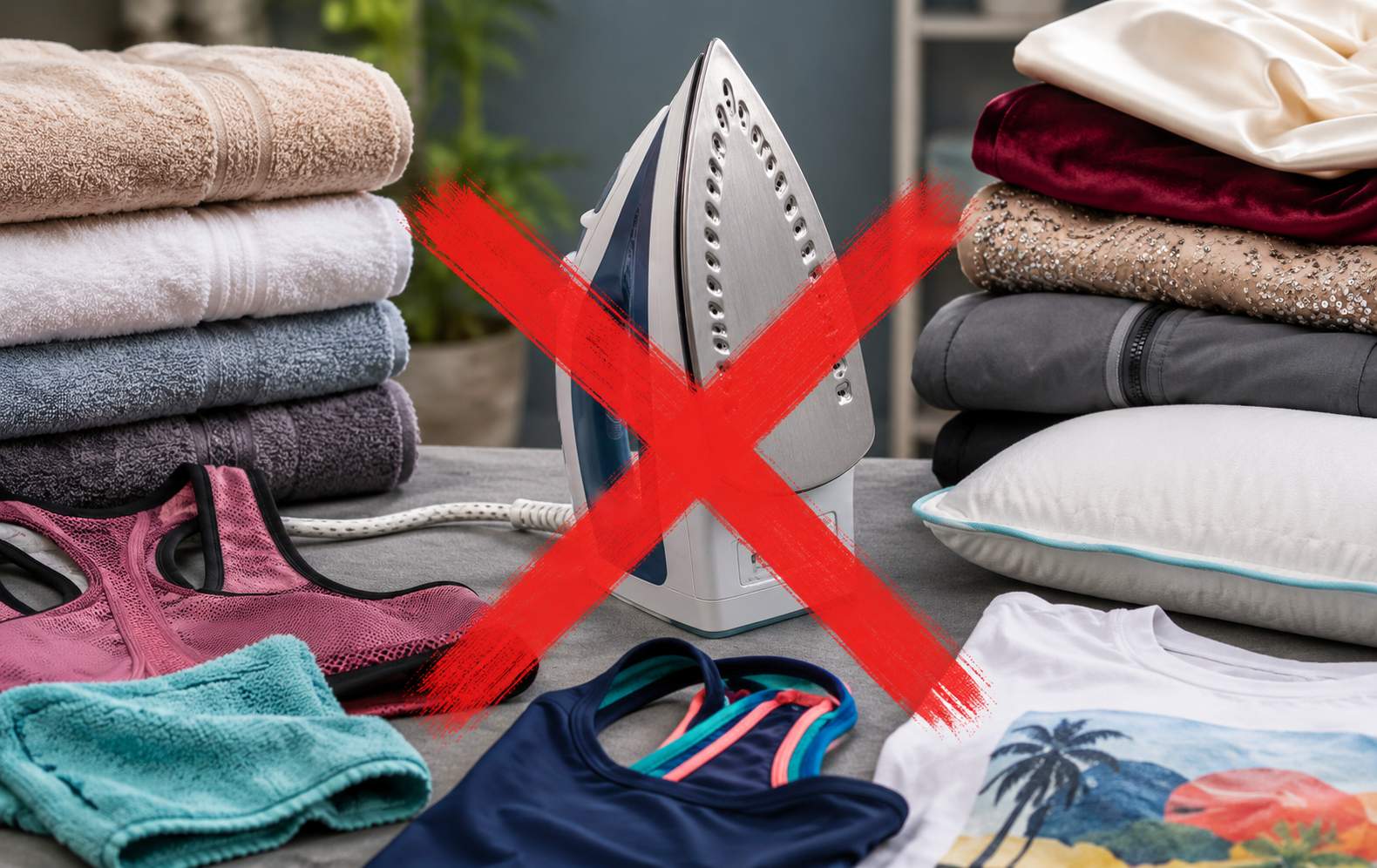
Here are 10 laundry items experts say you should never iron and the reasons why.
Towels.
Towels may seem like an obvious candidate for ironing, especially if you prefer a neat linen cupboard. However, ironing can flatten the fibres that give towels their softness and absorbency.
The loops in towel fabric are specifically designed to trap air and absorb moisture. Applying high heat compresses these fibres, making towels feel less fluffy and reducing their ability to soak up water efficiently. If you want towels to remain soft, it is best to tumble dry them on a suitable setting or air dry them naturally.
Microfibre Cloths.
Microfibre cleaning cloths are engineered with tiny synthetic fibres that capture dust, dirt and bacteria. Excessive heat from an iron can melt or distort these fibres.
Once damaged, microfibre cloths become less effective at cleaning surfaces. The very feature that makes them valuable can be permanently compromised by direct ironing.
Activewear and Sports Clothing.
Modern sportswear often contains moisture-wicking technology designed to pull sweat away from the skin. These garments typically use synthetic materials such as polyester, elastane or nylon.
High ironing temperatures can damage elastic fibres, reduce stretch and interfere with moisture-management properties. Many manufacturers specifically advise against ironing athletic clothing for this reason.
Velvet Clothing.
Velvet is known for its luxurious texture and distinctive pile. Unfortunately, direct ironing can crush the raised fibres that create its signature appearance.
Once flattened, velvet can lose its rich texture permanently. If wrinkles need removing, a handheld steamer is generally considered a safer option.
Silk Garments.
Silk is one of the most delicate fabrics found in wardrobes. While some silk items can tolerate very low heat settings with protective cloths, direct ironing is often risky.
Excessive heat can leave watermarks, scorch marks or shine patches that permanently alter the fabric's appearance. Many textile care specialists recommend steaming instead of ironing wherever possible.
Waterproof Jackets.
Waterproof coats and outdoor jackets frequently rely on special coatings or membranes to keep moisture out.
Direct heat from an iron can damage these protective layers, reducing the garment's water resistance. Once the coating deteriorates, the jacket may no longer perform as intended during wet weather.
Sequinned and Embellished Clothing.
Party outfits, evening dresses and decorative garments often include sequins, beads or synthetic embellishments.
Many of these decorative elements are made from plastic materials that can melt or warp under heat. Even if the fabric survives, the decorative finish may become permanently damaged.
Swimwear.
Swimsuits are designed with stretch fabrics that help maintain shape and provide comfort in water.
Heat can weaken elastane fibres, leading to sagging, reduced elasticity and a shorter lifespan for the garment. Considering the cost of quality swimwear, avoiding the iron can help protect your investment.
Memory Foam Pillow Covers and Specialty Bedding.
While many bedding items can be ironed safely, specialty covers used with memory foam products often contain synthetic materials that react poorly to heat.
Ironing can distort certain fibres and affect the performance of moisture-wicking or temperature-regulating technologies increasingly found in modern bedding products.
Printed T-Shirts.
Graphic T-shirts remain a wardrobe staple, but the printed designs often require special care.
Applying an iron directly to printed logos, graphics or slogans can cause cracking, peeling or melting. If ironing is necessary, experts recommend turning the garment inside out and avoiding direct contact with the print itself.
Why Fabric Care Matters More Than Ever.
The importance of proper garment care is growing as clothing prices continue to rise. According to research from WRAP, extending the active life of clothing by just nine months can significantly reduce environmental impacts associated with carbon emissions, water usage and waste production.
Damaging garments through incorrect ironing practices can lead to unnecessary replacements, increasing both household expenses and environmental impact.
At the same time, many modern fabrics are increasingly engineered with specialised features such as moisture management, stretch recovery, stain resistance and waterproof protection. These performance benefits can often be compromised by excessive heat.
The Simple Rule Before Reaching for the Iron.
One of the easiest ways to avoid fabric damage is to check the care label before ironing any item. Clothing manufacturers provide specific guidance based on the materials used, helping consumers avoid costly mistakes.
If a label advises against ironing, alternatives such as steaming, air drying on hangers or using wrinkle-release sprays may offer safer ways to remove creases.
For many modern garments and household textiles, skipping the iron altogether can actually help preserve comfort, appearance and performance.
The Bottom Line.
Ironing remains an effective way to keep many fabrics looking neat and presentable, but not everything benefits from high heat. Towels lose their fluffiness, activewear can lose its performance qualities, and delicate fabrics may suffer irreversible damage.
Understanding which laundry items should never be ironed can help extend the life of your clothing and household textiles while reducing the risk of expensive mistakes. Sometimes the best thing you can do for your laundry is simply leave the iron switched off.
Have you ever accidentally ruined an item by ironing it?
Lifestyle News
The Surprising Laundry Items You Should Keep Away From Your Iron
Advertisement





Comments (0)
You must be logged in to post comments.
Don't have an account? Register here
No comments yet. Be the first to share your thoughts!