
As temperatures start to rise across Newcastle and the wider UK, health experts and veterinarians are warning people to stay alert for ticks while spending time outdoors with family pets.
Ticks are small blood-feeding parasites commonly found in woodland, long grass, parks, and countryside areas. Although tiny, they can pose serious health risks to both humans and animals if they are not identified and removed correctly.
Doctors and vets say tick bites are becoming increasingly common during warmer months, particularly as more people head outdoors for walks, hiking trips, and dog exercise. Pet owners are also being reminded that dogs and cats can easily carry ticks into homes after spending time outside.
While most tick bites are harmless, some ticks can carry infections such as Lyme disease, making early detection and proper removal extremely important.
What are ticks and where are they found?
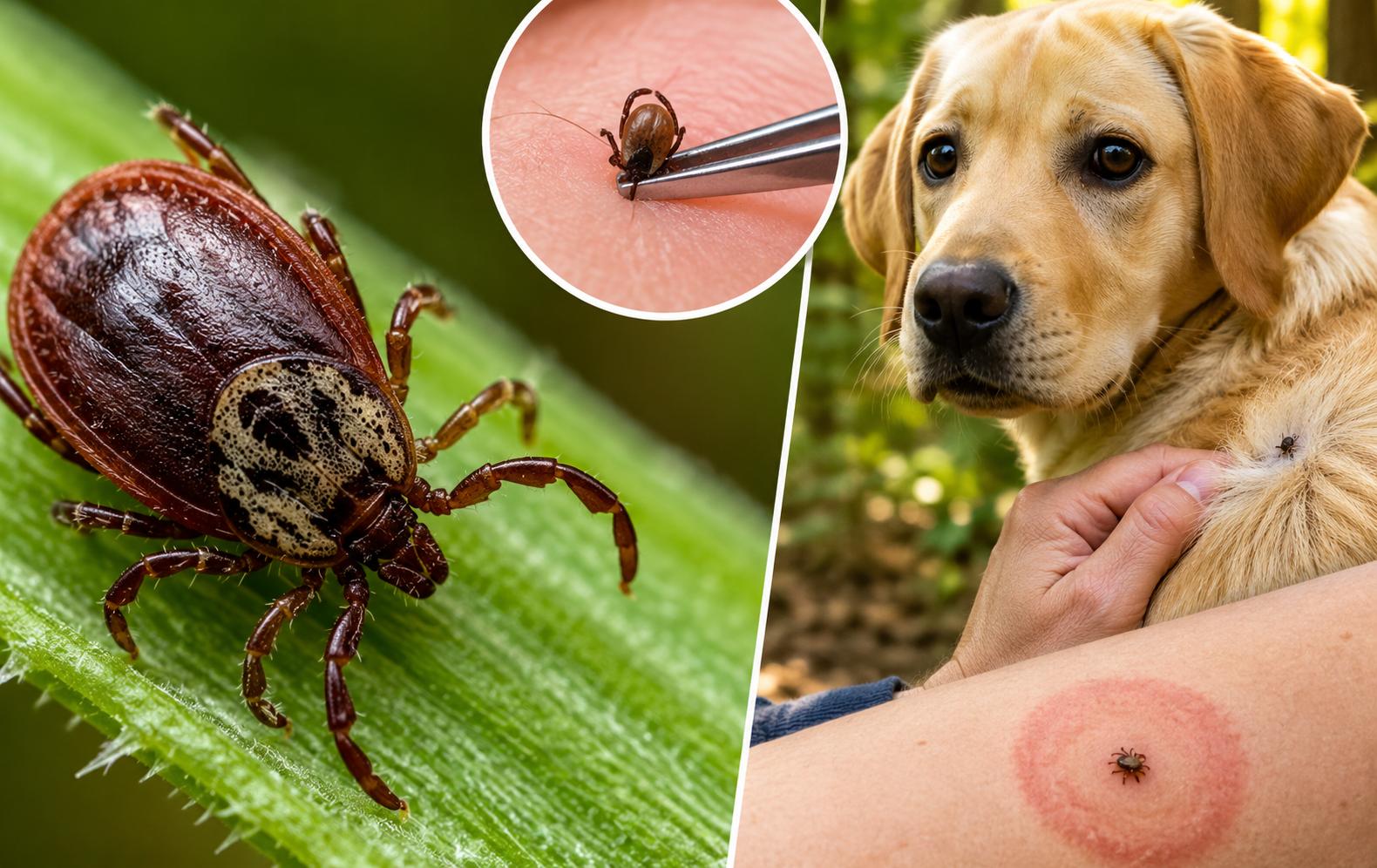
Ticks are spider-like parasites that survive by attaching themselves to animals and humans to feed on blood.
They are most commonly found in grassy fields, forests, moorland, gardens, and areas with wildlife such as deer, foxes, and rodents. Ticks cannot jump or fly, but instead cling onto passing animals or people when they brush against vegetation.
In the UK, tick activity usually increases during spring and summer, although mild winters have led experts to warn that ticks are now remaining active for longer periods throughout the year.
Dogs are particularly vulnerable because they often run through long grass and wooded areas where ticks are commonly waiting on plants and shrubs.
Cats, especially those that roam outdoors, can also pick up ticks around the ears, neck, and face.
Tick hotspots across Newcastle upon Tyne.
Health experts and veterinarians are also reminding people that ticks are not limited to remote countryside areas and can often be found in popular parks, woodland walks, and nature trails across Newcastle upon Tyne and the wider North East.
Dog walkers and families are being advised to stay vigilant when visiting areas with long grass, dense vegetation, and woodland undergrowth where ticks are known to thrive.
Some of the locations around Newcastle where ticks may potentially be encountered include:
Jesmond Dene
Town Moor
Rising Sun Country Park
Havannah Nature Reserve
Derwent Walk Country Park
Chopwell Woods
Gosforth Park Nature Reserve
Tyne Riverside Country Park areas
Big Waters Nature Reserve
Northumberland woodland trails near Newcastle
Veterinary professionals say ticks are especially common during warmer months when dogs are more active outdoors and wildlife activity increases.
Jesmond Dene, one of Newcastle upon Tyne’s most popular walking destinations, is frequently visited by dog owners due to its woodland paths, grassy banks, and streams. Similar environments can provide ideal conditions for ticks to attach themselves to passing animals or people.
The Town Moor and surrounding grassland areas are also popular with walkers and pet owners, particularly during spring and summer when vegetation becomes thicker.
Experts stress that people should not avoid outdoor spaces altogether, but instead take sensible precautions such as checking clothing, skin, and pets after returning home from walks.
Dog owners visiting woodland areas around Newcastle are advised to inspect their pets carefully around the ears, neck, paws, and stomach where ticks often attach themselves unnoticed.
Vets across the North East say early removal remains one of the best ways to reduce the risk of infection and illness linked to tick bites.
How to identify a tick bite.
Ticks are often very small before feeding, making them difficult to spot. Some can appear no bigger than a poppy seed.
Once attached and feeding on blood, they swell and become easier to identify. Most ticks appear as small round or oval-shaped parasites attached firmly to the skin.
On people, ticks are frequently found around warm areas of the body including:
Behind the knees
Around the waist
Under the arms
Around the groin
On the scalp
Around socks or clothing lines
On dogs and cats, ticks are commonly discovered around the head, ears, neck, legs, and stomach.
Symptoms of a tick bite can include redness, irritation, itching, swelling, or tenderness around the affected area.
However, many people do not realise they have been bitten until they notice the tick attached to the skin.
Why tick bites can be dangerous.
One of the biggest concerns linked to ticks is Lyme disease, a bacterial infection that can spread through infected tick bites.
Early symptoms of Lyme disease may include:
A circular rash around the bite
Flu-like symptoms
Fatigue
Headaches
Muscle pain
Fever
Joint stiffness
Health experts warn that untreated Lyme disease can sometimes lead to more serious complications affecting the nervous system, heart, and joints.
Pets can also become ill following tick bites. Dogs in particular may suffer lethargy, fever, reduced appetite, swollen joints, or discomfort after being bitten.
Veterinarians advise owners to seek professional advice if pets begin acting unusually after a tick is discovered.
The safest way to remove a tick.
Experts strongly advise against pulling ticks off using fingers alone, as squeezing the body can increase the risk of infection.
Instead, people are encouraged to use a proper tick removal tool or fine-tipped tweezers.
To remove a tick safely:
Grip the tick as close to the skin as possible.
Pull upwards slowly and steadily without twisting sharply.
Avoid crushing the tick during removal.
Clean the area with antiseptic or soap and water afterwards.
Wash your hands thoroughly.
Pet owners can buy tick removal tools from most vets and pet shops, with many veterinarians recommending they be included in pet first aid kits.
Experts also warn people not to use old methods such as covering ticks with petroleum jelly, nail varnish, alcohol, or burning them with heat, as these approaches may worsen the risk of infection.
Caring for pets after a tick bite.
After removing a tick from a dog or cat, owners should monitor the bite area for signs of redness, swelling, or irritation.
If the pet becomes tired, unwell, or develops unusual symptoms over the following days, veterinary advice should be sought immediately.
Regular grooming can help owners spot ticks before they become fully attached. Long-haired breeds may require extra attention after walks through woodland or fields.
Vets also recommend preventative treatments including spot-on medications, tick collars, tablets, and sprays designed to repel parasites.
Checking pets after every walk is considered one of the best ways to reduce the risk of ticks remaining attached for long periods.
How to reduce the risk of tick bites.
Health officials say prevention remains the best defence against ticks for both people and animals.
Simple steps to reduce risk include:
Wearing long sleeves and trousers in grassy areas
Keeping to clear footpaths during walks
Using insect repellent where appropriate
Checking skin after outdoor activities
Inspecting pets after walks
Keeping grass trimmed in gardens
Dog owners are also advised to avoid allowing pets to roam through very dense undergrowth where ticks are more common.
Parents are encouraged to check children carefully after outdoor activities, particularly during summer holidays when families spend more time in parks and countryside areas.
Growing awareness across Newcastle and the UK.
Awareness campaigns around tick safety have increased significantly in recent years as health organisations and veterinary professionals continue warning about rising cases of tick-related illness.
Experts believe climate changes, growing wildlife populations, and increased outdoor recreation may all be contributing to higher tick numbers across parts of the UK.
Veterinary practices are also seeing more pet owners seeking advice about parasite prevention and tick removal during warmer months.
While most bites can be dealt with quickly and safely, professionals stress that people should never ignore unusual symptoms following a tick bite.
Early treatment remains one of the most effective ways to prevent complications linked to tick-borne infections.
Have you or your pet ever suffered from a tick bite in Newcastle upon Tyne or the North East? Share your experiences and advice in the comments to help other readers stay safe this summer.
Health News
Tick Bite Warning as Experts Urge Fast Removal for Pets and People
Advertisement




Comments (0)
You must be logged in to post comments.
Don't have an account? Register here
No comments yet. Be the first to share your thoughts!