
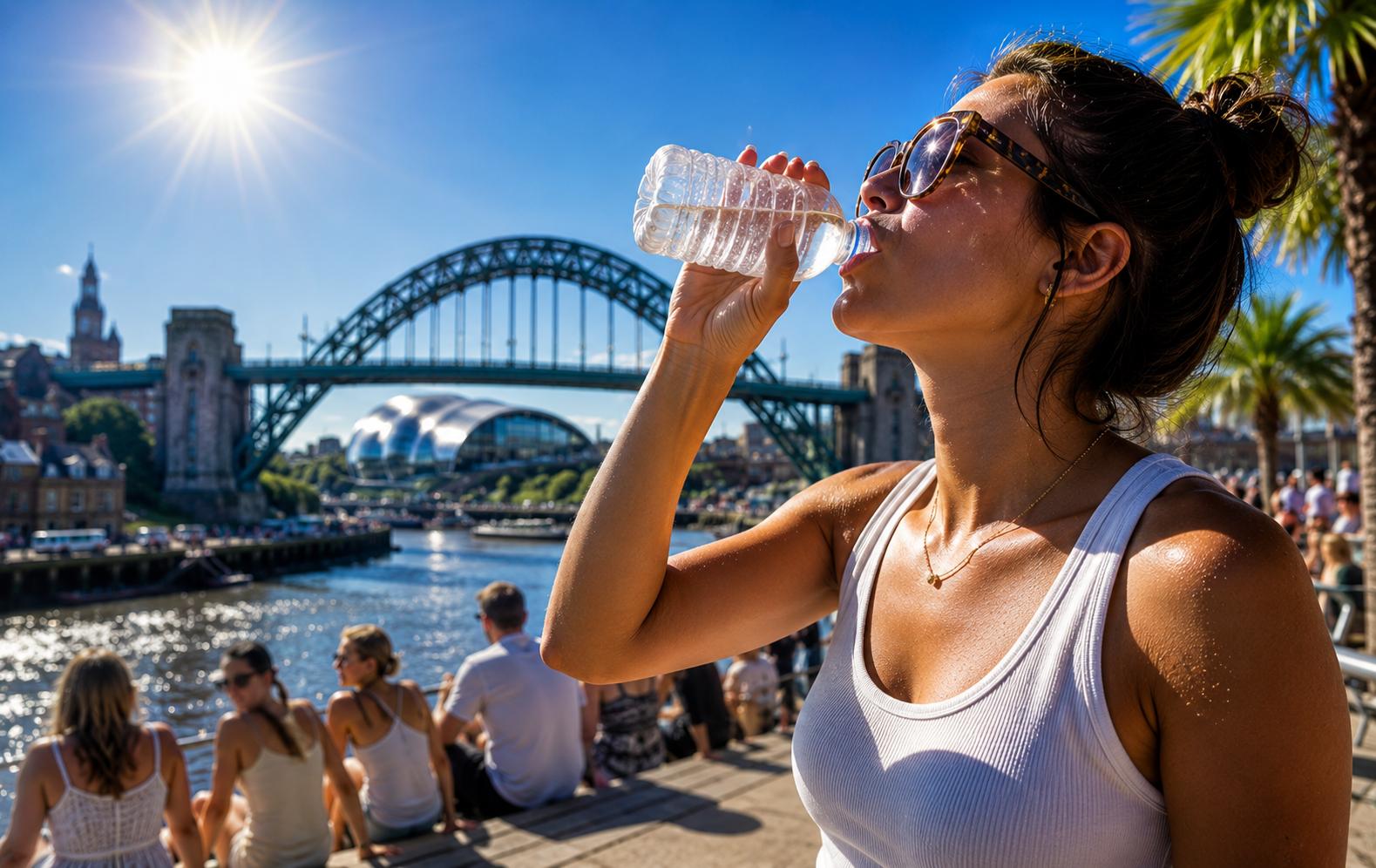
Newcastle residents are being urged to take extra care this bank holiday weekend as temperatures across the North East are expected to climb sharply, bringing one of the hottest spells of the year so far.
Forecasters say Tyneside could see packed beaches, busy city centre beer gardens and crowded parks as thousands of people head outdoors to enjoy the sunshine. However, health experts are warning that sudden heatwaves can become dangerous quickly, especially for older residents, young children and anyone spending long periods outside.
The hot weather arrives after weeks of cooler and unsettled conditions, meaning many people across Newcastle may not yet be fully prepared for prolonged sunshine and rising temperatures.
Doctors and emergency services say every year people across the UK underestimate the risks linked to dehydration, heat exhaustion and severe sun exposure, particularly during major weekends where alcohol, travel and outdoor events are involved.
Healthcare professionals are now encouraging Newcastle residents to recognise the warning signs of heat-related illness while taking sensible precautions before heading out over the long weekend.
Newcastle parks and coastlines expected to become packed.
With temperatures rising across the North East, popular outdoor locations around Newcastle are expected to become extremely busy.
Places including Tynemouth Longsands, Whitley Bay, Jesmond Dene, Exhibition Park and the Quayside are likely to attract large crowds throughout the weekend.
City centre bars, rooftop venues and beer gardens are also expected to fill quickly as residents make the most of the sunny conditions.
Travel experts say the first major heatwave of the year often catches people off guard because the body has not yet adapted properly after colder spring weather.
Emergency services across the North East are particularly concerned about people drinking alcohol in direct sunlight without consuming enough water, something that significantly increases dehydration risk.
Healthcare workers say heat-related illnesses frequently spike during busy bank holiday weekends because people spend far longer outdoors than usual.
Why hot weather can become dangerous quickly.
During hot weather, the body works harder to regulate internal temperature through sweating and increased blood flow.
If the body loses too much fluid or cannot cool itself effectively, people can begin suffering heat exhaustion and, in more serious cases, heatstroke.
Doctors say many people in Newcastle mistakenly dismiss early symptoms as simple tiredness, dehydration or too much alcohol, allowing conditions to worsen without treatment.
Experts stress that recognising the early warning signs quickly can prevent more serious medical emergencies later.
Common signs of heat exhaustion.
Health professionals are encouraging Newcastle residents to familiarise themselves with the symptoms of heat exhaustion before temperatures peak this weekend.
Common signs include:
Dizziness or feeling faint.
Excessive sweating.
Headaches.
Muscle cramps.
Feeling sick or vomiting.
Pale or clammy skin.
Rapid breathing.
Extreme tiredness.
Intense thirst.
Doctors say symptoms often improve within around 30 minutes if the person cools down and drinks fluids.
However, if ignored, heat exhaustion can quickly develop into something much more serious.
Heatstroke is a medical emergency.
Heatstroke happens when the body becomes dangerously overheated and can no longer control its temperature properly.
Unlike heat exhaustion, heatstroke requires urgent emergency treatment.
Symptoms may include:
Confusion or unusual behaviour.
Loss of consciousness.
Seizures.
Very high body temperature.
Hot skin that may stop sweating.
Difficulty breathing.
Emergency services say anyone showing signs of heatstroke should be moved somewhere cool immediately while 999 is called.
Cooling measures such as damp towels, fans and cold water can help lower body temperature while waiting for paramedics.
Doctors warn that untreated heatstroke can become life-threatening very quickly.
First aid experts explain how to cool someone safely.
First aid organisations across the UK are reminding people of basic heat emergency responses ahead of the busy weekend.
If someone develops heat exhaustion symptoms, experts recommend moving them into shade or a cooler indoor space immediately.
Loosening clothing and applying cool damp cloths to the neck, forehead and underarms may help reduce body temperature.
People should also sip cool water slowly rather than drinking too quickly.
Healthcare professionals advise avoiding alcohol and excessive caffeine because both can worsen dehydration.
If symptoms fail to improve within half an hour, emergency medical advice should be sought.
Newcastle residents urged to stay hydrated.
Doctors say dehydration remains one of the biggest risks during heatwaves, especially for people spending long periods outdoors.
Residents attending outdoor events, travelling to the coast or sitting in beer gardens are being advised to drink water regularly throughout the day, even if they do not initially feel thirsty.
Health experts say sugary drinks and alcohol are less effective at keeping the body hydrated than water or electrolyte drinks.
Parents across Newcastle are also being encouraged to monitor children closely during outdoor activities because young children can become dehydrated much faster than adults.
Healthcare workers recommend carrying bottled water when travelling around the city or using public transport during the hottest hours.
Sunburn risks increase during UK heatwaves.
Dermatologists warn that many people still underestimate how quickly sunburn can happen in Britain.
Strong UV levels are expected during the bank holiday weekend, particularly around midday and early afternoon when sunlight is strongest.
Experts recommend applying sunscreen regularly and reapplying after sweating or swimming.
Wide-brimmed hats, sunglasses and lightweight clothing can also help reduce prolonged sun exposure.
Doctors stress that repeated sunburn significantly increases long-term skin cancer risk.
Health experts say Newcastle residents heading to beaches such as Tynemouth, South Shields or Seaburn should be especially careful because sea breezes can make sunshine feel less intense than it actually is.
Public transport and cars could become dangerously hot.
Transport specialists are also warning Newcastle residents about the dangers of enclosed vehicles during warm weather.
Temperatures inside parked cars can rise rapidly within minutes, even when windows are left slightly open.
Emergency services continue urging drivers never to leave children, pets or elderly relatives inside parked vehicles during hot weather.
Public transport may also become uncomfortable during peak heat periods, especially busy Metro services and crowded buses travelling through the city centre.
Passengers are being advised to carry water and avoid unnecessary travel during the hottest afternoon hours if possible.
Older residents face higher risks during heatwaves.
Healthcare professionals say older people remain among the most vulnerable groups during periods of extreme heat.
The body becomes less efficient at regulating temperature with age, increasing the risk of dehydration and overheating.
Care organisations across Newcastle are encouraging families to check regularly on elderly relatives, neighbours and vulnerable people throughout the weekend.
People with heart conditions, breathing difficulties or long-term illnesses may also struggle more during unusually hot weather.
Doctors recommend keeping homes cool by closing curtains during the day and opening windows later in the evening once temperatures begin dropping.
Outdoor drinkers and festivalgoers warned to take care.
With Newcastle nightlife expected to become especially busy this weekend, medical experts are warning revellers not to underestimate how alcohol affects the body during heatwaves.
Alcohol increases dehydration risk while also reducing awareness of overheating symptoms.
Healthcare professionals say alternating alcoholic drinks with water can significantly lower the risk of developing heat-related illnesses.
Festivalgoers and outdoor event attendees are also being advised to seek shade regularly and avoid standing in direct sunlight for extended periods.
Experts say preparation is the key to staying safe.
Health professionals say most heat-related illnesses are preventable with sensible preparation and awareness.
Simple measures such as drinking enough water, staying in shaded areas, recognising warning signs early and limiting sun exposure during peak afternoon heat can dramatically reduce risks.
With Newcastle expected to enjoy one of its warmest weekends of the year so far, healthcare experts are encouraging residents to enjoy the sunshine responsibly while taking official heatwave advice seriously.
Emergency services are also reminding the public that checking on vulnerable neighbours or relatives during extreme weather could potentially save lives.
How are you planning to stay cool during Newcastle’s bank holiday heatwave this weekend? Share your summer plans and hot weather survival tips in the comments below.
Health News
UK Heatwave Safety Warning Issued Ahead of Busy Bank Holiday Weekend
Advertisement



Comments (0)
You must be logged in to post comments.
Don't have an account? Register here
No comments yet. Be the first to share your thoughts!