
For generations, reaching retirement age in the UK has unlocked a range of discounts, benefits and money-saving perks designed to help older people make the most of later life. While many people still associate retirement with turning 60, the reality has changed significantly over the past two decades and continues to evolve today.
The shift has created confusion for many households, particularly as several popular benefits are now tied to State Pension age rather than a person's 60th birthday. In places such as Newcastle and across the North East, where thousands of residents rely on public transport and fixed retirement incomes, these changes are attracting increasing attention.
With the State Pension age currently 66 and set to rise to 67 between 2026 and 2028, understanding what benefits remain available, when they can be claimed, and how valuable they are has never been more important.
Why Retirement Age Is No Longer 60.
Many people still remember a time when women could claim the State Pension at 60 and men at 65. Those rules have long since changed.
The State Pension age is currently 66 for both men and women. Government plans will gradually increase it to 67 between 2026 and 2028, with a further rise to 68 scheduled in future decades.
Historically, turning 60 often marked the beginning of retirement perks. Today, eligibility for many concessions follows State Pension age instead. This means millions of future retirees will need to wait longer before gaining access to some of the UK's most popular benefits.
Recent surveys have suggested that more than half of UK adults remain unaware of some of the upcoming pension changes, highlighting the ongoing confusion surrounding retirement planning.
The Free Bus Pass That Many Pensioners Value Most.
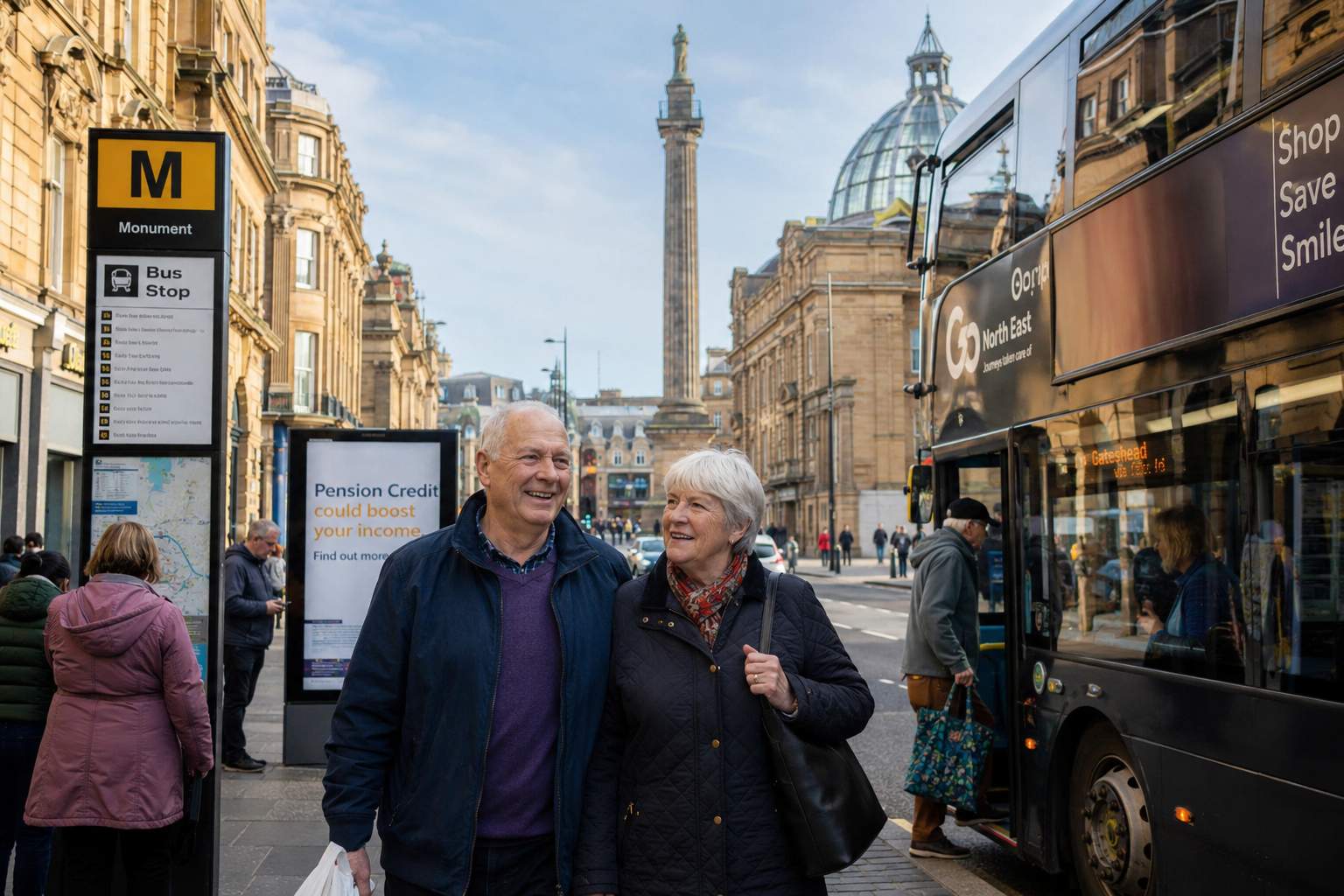
One of the best-known retirement benefits remains concessionary bus travel.
In England, eligibility is linked directly to State Pension age. That means people currently qualify at 66, but eligibility will gradually rise alongside increases to the pension age.
For residents in Newcastle and the wider Tyne and Wear region, the concessionary travel scheme remains particularly valuable. Eligible residents can access free bus travel during permitted hours, helping older people maintain independence and reduce transport costs.
The value can be substantial. Someone making multiple journeys each week could save hundreds of pounds annually compared with purchasing standard fares.
Transport is especially important because older people are less likely to drive regularly as they age. Free travel schemes help pensioners access healthcare appointments, shopping centres, community activities and social events.
Crime statistics also demonstrate why mobility matters. Older people remain among the least likely age groups to become victims of violent crime in England and Wales, but isolation is frequently identified by charities as a factor affecting wellbeing and confidence. Access to affordable transport can help maintain social connections and community engagement.
Railcards And Discounted Train Travel.
Many retirees continue travelling regularly after leaving work, and rail discounts can provide significant savings.
The Senior Railcard, available to people aged 60 and over, offers around one-third off many rail fares across Britain. For Newcastle residents travelling to destinations such as York, Edinburgh, Leeds or London, the annual cost of the card can often be recovered within only a few journeys.
Industry estimates have previously suggested millions of Senior Railcards are in circulation across the UK, reflecting the popularity of discounted rail travel among older passengers.
For retirees looking to visit family, enjoy day trips or explore the country, rail discounts remain one of the most practical and frequently used retirement perks available from age 60.
State Pension Payments Remain The Biggest Benefit.
While discounts attract attention, the State Pension itself remains the most valuable retirement benefit available to most people.
The full new State Pension currently provides more than £230 per week for eligible recipients, representing nearly £12,000 annually before any additional benefits are considered.
Across Newcastle and the North East, State Pension payments contribute millions of pounds each year to local economies. Pension spending supports retailers, hospitality businesses, transport providers and local services.
However, retirement income varies significantly. Research has highlighted continuing pension inequalities, particularly among women, who often retire with substantially smaller pension savings than men due to career breaks and caring responsibilities.
Pension Credit And Additional Financial Support.
One of the most overlooked retirement benefits remains Pension Credit.
Despite being worth thousands of pounds annually for some households, many eligible pensioners do not claim it. The benefit can boost weekly income and unlock additional support including help with housing costs, council tax and energy bills.
Financial experts regularly describe Pension Credit as one of the most underclaimed benefits in Britain.
For retirees living on modest incomes, particularly those without substantial private pensions, Pension Credit can significantly improve financial security during retirement.
Discounted Leisure Activities And Attractions.
Retirement often creates opportunities for travel, hobbies and leisure activities.
Many UK attractions offer discounted admission for older visitors. Museums, cinemas, theatres, heritage sites and leisure centres frequently provide senior concessions, often beginning at age 60.
In Newcastle, pensioners can often access reduced-price tickets for cultural venues, community events and local attractions. While eligibility varies by provider, these discounts can make regular social activities far more affordable.
This has wider health implications too. Research consistently shows that active retirees who participate in social and cultural activities often report higher levels of wellbeing and life satisfaction compared with those who remain isolated.
Council And Community Support Schemes.
Many local authorities continue to offer targeted support for older residents.
While schemes vary across the country, they may include discounted leisure memberships, community transport services, welfare advice and support programmes designed to help older people remain independent.
Newcastle City Council and regional organisations regularly work alongside charities and community groups to provide services aimed at supporting older residents, particularly those living alone or managing health conditions.
These local initiatives often complement national benefits and can be especially valuable for retirees on fixed incomes.
Winter Support And Household Savings.
Energy costs remain one of the biggest concerns facing retirees.
Historically, older households have benefited from winter-related support payments and schemes designed to help manage heating costs during colder months.
For pensioners in Newcastle and across northern England, where winters can be particularly challenging, assistance with energy costs often represents one of the most valued forms of government support.
Combined with discounts available through some utility providers and charitable schemes, these measures can help reduce financial pressure during periods of high household expenditure.
The WASPI Debate And Why Retirement Age Remains Controversial.
Few retirement issues have generated as much debate as changes to the State Pension age for women born in the 1950s.
The WASPI campaign estimates that around 3.6 million women were affected by changes that increased their pension age. Campaigners argue many received insufficient notice of the reforms, making retirement planning difficult.
The issue continues to attract political attention and remains a reminder of how changes to retirement rules can have long-lasting consequences for millions of households.
As future increases to the State Pension age approach, many experts expect public discussion around retirement planning to intensify further.
What Future Retirees Need To Know.
The biggest takeaway for anyone approaching retirement is that age-based benefits are no longer as straightforward as they once were.
Some discounts remain available from age 60, including Senior Railcards and selected commercial concessions. Other benefits, particularly free bus travel in England, are increasingly tied to State Pension age and will move higher as retirement ages increase.
For Newcastle residents and retirees across the UK, understanding eligibility dates has become an essential part of financial planning.
With life expectancy increasing and pension reforms continuing, future generations may find themselves working longer than previous retirees. Yet many of the traditional perks of later life remain available and can still deliver meaningful savings.
The key is knowing what support exists, when it becomes available and how to claim it.
As retirement evolves, staying informed may prove just as valuable as the discounts themselves.
Do you think free travel and retirement benefits and discounts should return to age 60 across the UK?
Lifestyle News
UK Pension Age Rising Again - Here's Every Major Benefit Explained
Advertisement




Comments (0)
You must be logged in to post comments.
Don't have an account? Register here
No comments yet. Be the first to share your thoughts!