
For many households across Newcastle, pets are more than animals. They are family members. Whether it is a loyal dog, a rescue cat or a beloved rabbit, owners are increasingly facing a difficult reality when it comes to keeping their companions healthy.
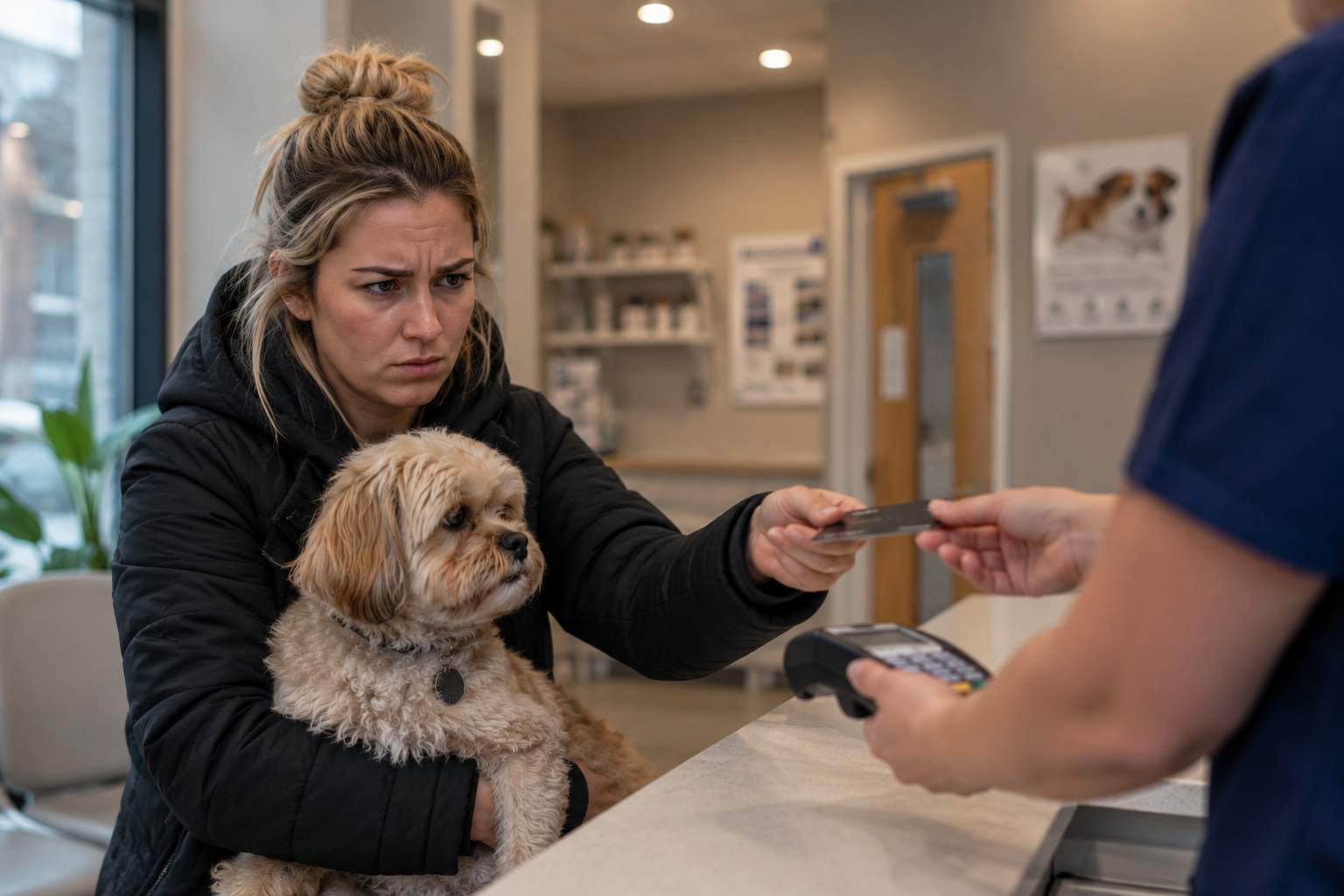
Over the past few years, veterinary costs have risen sharply across the UK, leaving many pet owners shocked by the price of routine check-ups, emergency treatments and ongoing medical care. The issue has become so significant that the Competition and Markets Authority (CMA) launched a major investigation into the veterinary sector following concerns about rising prices and a lack of transparency.
For Newcastle residents already dealing with higher household bills, rising mortgage payments and increased food costs, expensive vet treatment is becoming another major financial pressure.
The Scale Of Rising Veterinary Costs.
Recent findings from the CMA revealed that average veterinary prices increased by around 60 to 63 per cent between 2016 and 2023, significantly outpacing inflation during much of that period.
The watchdog also found that UK pet owners spent more than £6.7 billion on veterinary and related services during 2024 alone. Some common surgical procedures can now cost several thousand pounds, while even routine consultations have become noticeably more expensive.
These increases are being felt across the country, including in Newcastle and the wider North East, where many families are now budgeting carefully for unexpected pet health expenses.
Why Are Vet Bills Increasing So Quickly?.
Several factors are contributing to rising veterinary costs.
One of the biggest drivers is increased demand. Pet ownership surged during and after the pandemic, creating greater pressure on veterinary practices nationwide. The UK veterinary market has expanded rapidly as a result, with demand for consultations, diagnostics and specialist treatments continuing to grow.
Staff shortages are another challenge. Veterinary practices across the UK have faced recruitment difficulties, particularly among vets and veterinary nurses. Brexit-related workforce pressures and increased demand have added further strain to the profession.
Technology has also transformed modern veterinary medicine. Advanced imaging equipment, specialist surgeries, laboratory testing and sophisticated treatments now allow pets to receive care that would have been impossible a generation ago. While these developments improve outcomes, they also increase operating costs.
Corporate ownership has become another major talking point. According to the CMA, roughly three in five veterinary practices are now owned by larger corporate groups rather than independent operators. Critics argue that reduced competition may contribute to higher prices in some areas.
Newcastle Pet Owners Feeling The Pressure.
Across Newcastle, pet owners are increasingly sharing stories of difficult decisions when faced with unexpected veterinary expenses.
A simple consultation can cost considerably more than it did just a few years ago. Emergency out-of-hours appointments often carry additional fees, while diagnostic tests such as X-rays, blood work and scans can quickly push bills into the hundreds or even thousands of pounds.
Animal welfare organisations have warned that financial pressures are causing some owners to delay treatment or skip appointments altogether. Research commissioned by the PDSA has highlighted concerns that some people are cutting back on essentials, taking on debt or postponing veterinary care because of costs.
This trend worries both vets and charities, as delaying treatment can often lead to more serious and expensive health problems later.
How Pet Owners Can Reduce Veterinary Costs.
Although veterinary care is unlikely to become dramatically cheaper overnight, there are practical steps Newcastle pet owners can take to reduce costs.
Pet insurance remains one of the most effective ways to protect against large, unexpected bills. Policies vary widely, so comparing cover levels, exclusions and excess amounts is important before purchasing.
Preventive healthcare can also save money in the long run. Regular vaccinations, parasite treatments, dental care and routine health checks may help identify issues before they become serious.
Many veterinary practices now offer healthcare plans that spread the cost of routine treatments across monthly payments. The CMA has highlighted the growing popularity of these plans throughout the UK.
Owners should also ask about prescription options. Upcoming CMA reforms aim to make it easier for consumers to compare medicine prices and obtain prescriptions that can sometimes be filled more cheaply through licensed online pharmacies.
Obtaining estimates before treatment and comparing local providers where appropriate may also help reduce costs.
Local Charities And Affordable Support In Newcastle.
For owners facing genuine financial hardship, several organisations may be able to help.
The PDSA remains one of the UK's best-known veterinary charities and provides low-cost or free veterinary treatment for eligible pet owners who receive certain benefits. Newcastle residents should check eligibility requirements and available services through the charity.
The RSPCA also operates animal welfare services and may be able to offer guidance, support or referrals depending on individual circumstances.
Newcastle Dog and Cat Shelter plays an important role in supporting vulnerable animals across the region and can provide advice on responsible pet ownership, rehoming and welfare support.
The Blue Cross, while not operating a dedicated Newcastle hospital, offers pet care advice and support services that may be useful to owners experiencing financial difficulties.
Local food banks and community pet support schemes have also emerged across parts of the North East in recent years, helping families access pet food and essential supplies during periods of hardship.
Changes Could Be On The Way For Pet Owners.
The good news is that greater transparency may soon help consumers make more informed choices.
Following its investigation, the CMA announced a range of reforms designed to improve competition and make pricing clearer. These include better access to price lists, written estimates for larger treatments, greater transparency over ownership structures and measures aimed at reducing medicine costs.
Industry experts hope these changes will help pet owners understand costs more clearly and avoid unexpected charges.
However, most analysts agree that veterinary medicine will remain a significant expense due to ongoing demand, workforce pressures and advances in medical treatment.
What Every Pet Owner Should Remember.
Despite rising costs, veterinary professionals and animal charities stress that preventive care remains one of the best investments owners can make.
According to animal welfare data, around half of the UK population now owns a pet, demonstrating just how important animals have become in modern family life.
For Newcastle pet owners, planning ahead, researching insurance options and knowing where to seek support could make a significant difference when unexpected veterinary bills arise.
As the debate around veterinary pricing continues, one thing remains clear. The bond between people and their pets is stronger than ever, and owners will continue looking for ways to provide the best possible care while managing the realities of rising costs.
Share your thoughts.
Do you think more should be done to make pet healthcare affordable across the North East and UK?
Lifestyle News
Vet Fees Up More Than 60% - What Newcastle Pet Owners Need To Know
Advertisement





Comments (0)
You must be logged in to post comments.
Don't have an account? Register here
No comments yet. Be the first to share your thoughts!