
Newcastle upon Tyne is a city with a proud and fascinating history stretching back nearly 2,000 years. From its Roman origins and medieval castle to its industrial dominance and modern regeneration, Newcastle has continually reinvented itself. Yet some of the most significant moments in the city's story have come not from periods of prosperity, but from tragedy.
Throughout the centuries, Newcastle has faced devastating fires, deadly explosions, floods, epidemics and wartime destruction. While these disasters often brought heartbreak and loss, they also helped shape the city that exists today. Streets were rebuilt, industries evolved, safety regulations improved and communities came together in times of crisis.
Among all of these events, none left a greater mark than the Great Fire of Newcastle and Gateshead in 1854, a catastrophe that remains one of the worst urban disasters in British history.
The Great Fire That Changed Newcastle Forever.
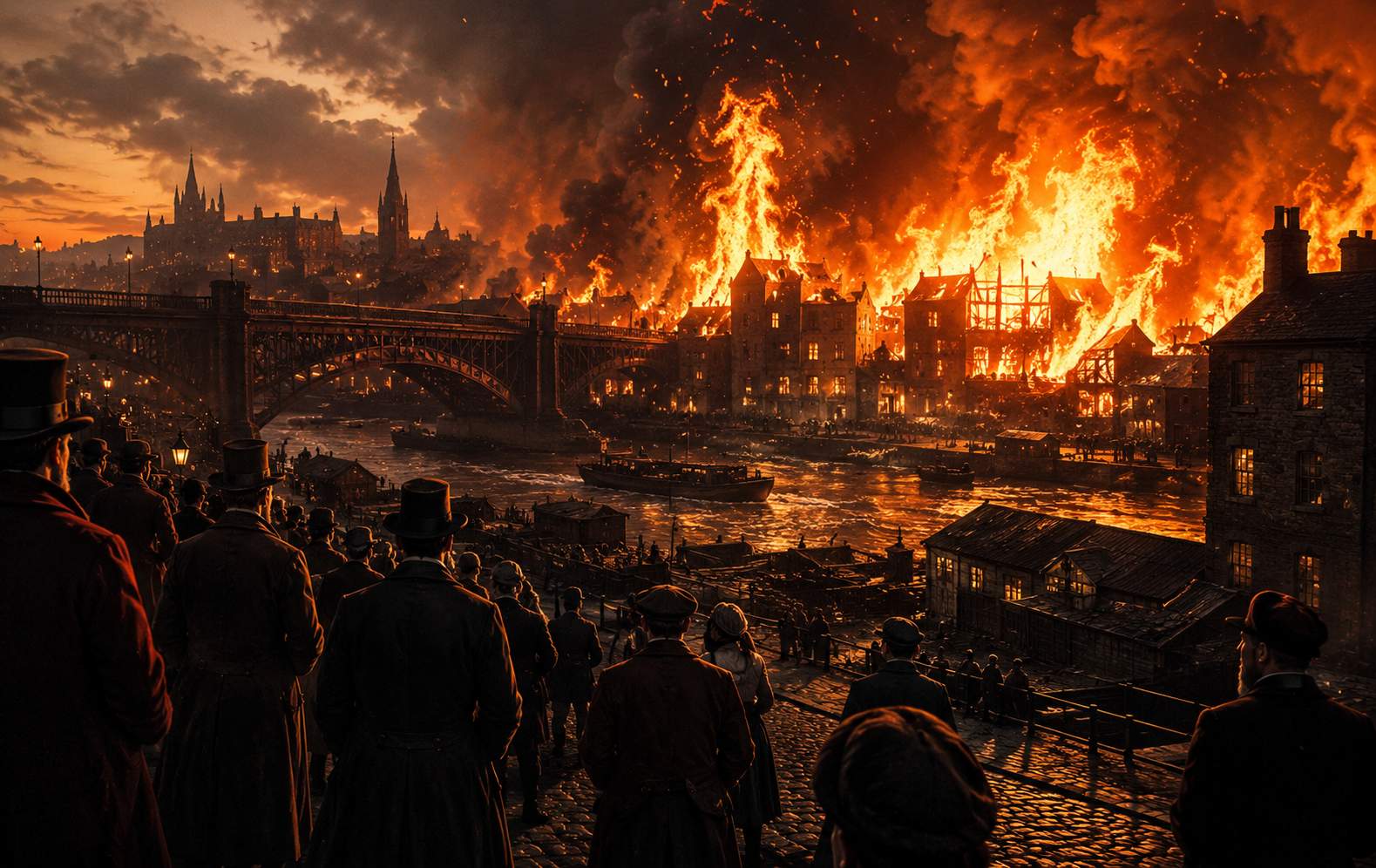
On the evening of 6 October 1854, a fire broke out on Newcastle's bustling Quayside. What initially appeared to be a manageable blaze quickly became something far more dangerous.
The fire started in a worsted warehouse on the Gateshead side of the River Tyne. Strong winds helped spread the flames rapidly through tightly packed buildings filled with highly combustible materials. Warehouses along the waterfront contained timber, oils, chemicals and other flammable goods that effectively fuelled the growing inferno.
As firefighters battled to contain the blaze, thousands of residents gathered to watch. Few could have imagined that an even greater disaster was about to unfold.
Shortly after midnight, a massive explosion ripped through the area when the fire reached a warehouse containing large quantities of sulphur and nitrate. The explosion was so powerful that it shattered windows miles away and sent debris flying across the Tyne.
The blast killed many people instantly, including firefighters and curious spectators who had gathered nearby. Entire streets were engulfed in flames as the fire spread further across Newcastle and Gateshead.
By the time the disaster was finally brought under control, more than 50 people had lost their lives and hundreds of buildings had been destroyed or severely damaged.
The scale of devastation shocked the nation and highlighted the dangers of storing hazardous materials in densely populated urban areas.
The Aftermath And Rebuilding Efforts.
The destruction left behind by the Great Fire was immense. Families lost homes, businesses were wiped out and large sections of the riverside required rebuilding.
However, the disaster also became a turning point. Local authorities and businesses recognised the need for better safety standards, particularly regarding the storage of dangerous goods.
New building regulations gradually emerged, helping reduce the risks associated with industrial activity in urban environments. The rebuilding process also contributed to changes in the appearance of parts of Newcastle and Gateshead, influencing how future developments were planned.
Today, while much of the physical evidence has disappeared, the Great Fire remains one of the defining events in Newcastle's history.
Cholera And The Public Health Crisis.
Long before modern medicine transformed healthcare, Newcastle experienced repeated outbreaks of deadly diseases.
During the nineteenth century, cholera swept through many British cities, including Newcastle. The disease spread rapidly through contaminated water supplies and poor sanitation, conditions that were common in overcrowded urban areas.
Thousands of people across the North East were affected during various outbreaks. Entire communities lived in fear as families lost loved ones within days of infection.
The cholera epidemics exposed serious shortcomings in public health infrastructure. In response, authorities began investing in cleaner water supplies, improved sewage systems and better sanitation measures.
These changes would eventually help save countless lives and play a major role in improving living conditions across Newcastle.
Floods Along The River Tyne.
The River Tyne has been central to Newcastle's growth for centuries, supporting trade, shipbuilding and industry. However, the river has also brought danger.
Before modern flood defences were introduced, severe weather regularly threatened riverside communities. Heavy rainfall and tidal surges occasionally caused flooding that damaged homes, businesses and infrastructure.
Some historic floods left significant parts of Newcastle struggling to recover. Roads became impassable, property was damaged and commercial activity was disrupted.
These events encouraged investment in flood prevention measures and river management projects designed to better protect local communities.
Today, sophisticated flood defences help reduce the risk, although extreme weather continues to present challenges.
Industrial Accidents In The Coal Capital.
For much of the nineteenth century, Newcastle was one of the world's leading industrial centres. Coal mining powered the local economy and fuelled industries across Britain and beyond.
However, industrial growth often came with considerable risks.
Mining disasters were a tragic reality for many North East communities. Explosions, collapses and flooding claimed the lives of countless workers throughout the region.
While many of the worst mining disasters occurred outside Newcastle itself, the city felt their impact deeply. Families lost fathers, sons and brothers, while entire communities mourned those who never returned from work.
These tragedies eventually helped drive improvements in mining safety and worker protections.
Wartime Bombing During The Second World War.
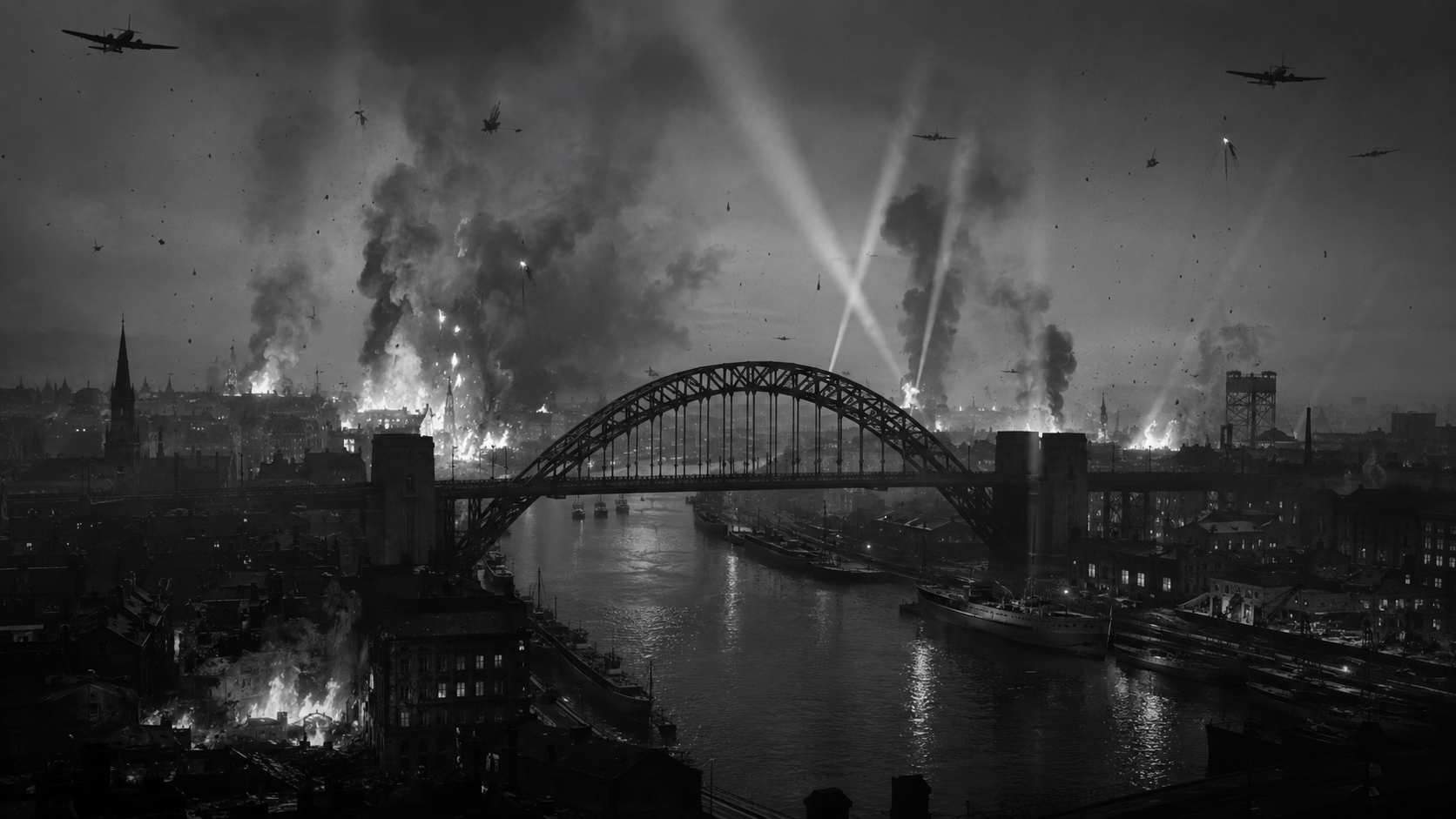
Newcastle's strategic importance made it a target during the Second World War.
German bombers launched several attacks against the city and surrounding areas, aiming to damage industry, transport links and shipbuilding facilities.
Air raids caused significant destruction across Newcastle. Homes, businesses and public buildings were damaged or destroyed. Civilians were forced to seek shelter as warning sirens echoed across the city.
Despite the danger, Newcastle's residents demonstrated remarkable resilience. Emergency workers, volunteers and ordinary citizens played vital roles in helping communities recover after each attack.
The wartime experience left lasting memories and remains an important chapter in the city's history.
The Blaydon Railway Disaster.
Transport accidents have also shaped the region's story.
One of the most significant incidents occurred in 1913 near Blaydon, just west of Newcastle, when a passenger train collided with another service. The accident resulted in numerous deaths and injuries, shocking communities across Tyneside.
Rail disasters such as this led to improvements in signalling systems, operational procedures and railway safety standards.
Although transportation today is far safer than it was a century ago, incidents like the Blaydon disaster remain important reminders of how safety regulations often emerge from tragedy.
How Disaster Helped Shape Modern Newcastle.
While each of these events brought pain and hardship, they also contributed to Newcastle's development.
The Great Fire prompted improvements in urban safety and planning. Cholera outbreaks transformed public health systems. Industrial accidents encouraged workplace protections. Floods led to stronger infrastructure and wartime destruction inspired rebuilding efforts that helped shape the modern city.
Newcastle's ability to recover from adversity has become one of its defining characteristics. Time and again, the city has demonstrated resilience, determination and a strong sense of community.
Remembering The Past While Looking Forward.
Many visitors admire Newcastle for its iconic bridges, historic castle, vibrant Quayside and thriving cultural scene. Yet behind these landmarks lies a history marked by both triumph and tragedy.
The disasters that struck Newcastle over the centuries changed lives, altered the city's landscape and influenced decisions that continue to affect residents today. Remembering these events is not simply about looking back. It is about understanding how Newcastle became the city it is now.
From the devastating fire of 1854 to the challenges of war, disease and industrial accidents, each chapter has contributed to the remarkable story of one of Britain's most resilient cities.
The scars left by these disasters may have faded, but their legacy remains woven into the fabric of Newcastle's history.
Which historic Newcastle event do you think had the biggest impact on shaping the city we know today? Share your thoughts and local knowledge in the comments below.
Newcastle History
Newcastle's Darkest Days: Disasters That Shaped The City We Know Today
Advertisement


Comments (0)
You must be logged in to post comments.
Don't have an account? Register here
No comments yet. Be the first to share your thoughts!